



According to a 2023 survey by the American Test Kitchen, nearly 40% of home bakers own a swiss roll pan that warps within the first year of use. That number is startling, but it follows directly from how these pans are built. The ones that last are never the flashiest — they’re the simplest, heaviest, and most boring-looking tools in the drawer. Thin metal and elaborate shaping are exactly what buckle when a pan is heated and cooled over and over. A swiss roll pan is no exception. In this guide, I’ll break down exactly what to look for so you don’t waste money on a pan that buckles under heat.
Key Takeaways
- A swiss roll pan should be made from heavy-gauge aluminum or steel to resist warping under high heat.
- Standard dimensions are 10×15 inches with a 1-inch rim — any variation changes baking times and rolling ease.
- Non-stick coatings reduce sticking but require gentle handling; uncoated pans need proper greasing and parchment.
- Proper storage and cleaning extend the pan’s life — never use metal utensils or abrasive scrubbers.
Why Pan Material Matters for a Swiss Roll Pan
The material your swiss roll pan is made from directly affects how evenly your cake bakes and whether the pan stays flat. Thin pans heat up fast but cool down just as quickly, leading to hot spots that burn the edges before the center sets. Thicker pans hold steady heat and distribute it evenly across the entire surface.
Aluminum is the most common material because it conducts heat well and is lightweight. But not all aluminum is the same. Commercial-grade pans use 18-gauge or thicker aluminum, while budget pans often use 22-gauge or thinner. The difference is night and day. A thin pan will warp the first time you use it at 375°F.
Aluminum vs. Steel vs. Non-Stick
Aluminum pans are great for heat conduction, but they dent easily. Steel pans are stronger and resist warping better, but they weigh more and can rust if not dried properly. Non-stick coatings help release delicate sponge cakes, but they scratch easily and can peel after a few years.
If you bake frequently, I recommend a heavy-gauge aluminum pan with a reinforced rim. It balances heat performance with durability. Steel pans are a close second, especially if you plan to use the pan for roasting vegetables or searing meat as well.
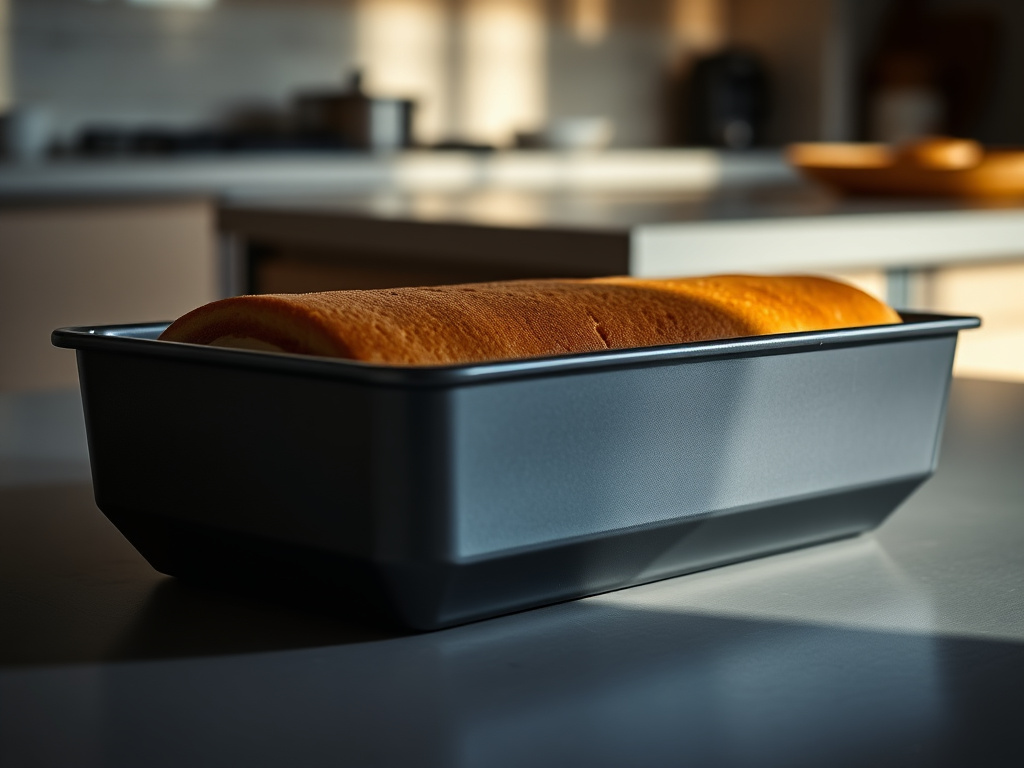
Size and Shape Specifications
The standard size for a swiss roll pan is 10 by 15 inches with a 1-inch rim. This size fits most baking recipes and allows enough surface area for a thin, even cake layer. A pan that’s too small will give you a thick cake that cracks when rolled. A pan that’s too large produces a thin, brittle sheet that tears easily.
Some pans have a slightly tapered rim, which helps release the cake cleanly. Others have straight sides. I prefer a pan with a rolled edge — it’s stronger and less likely to cut your fingers when you’re handling hot pans.
Metric Conversions and Adjustments
If you’re using a recipe from a European source, the pan size might be listed as 30×40 cm with a 2.5 cm rim. That’s essentially the same as 10×15 inches. But if your pan is smaller or larger, you need to adjust the batter volume. A good rule of thumb: for every 10% change in surface area, adjust your batter by the same percentage.
For example, if your pan is 9×13 inches (117 square inches) instead of 10×15 inches (150 square inches), reduce the batter by about 22%. That prevents overflow and ensures even baking.
Heat Performance and Warping Resistance
Warping is the number one reason bakers replace their swiss roll pans. It happens when the pan expands unevenly under heat. Thin pans have little structural integrity, so the metal buckles. Thick pans, especially those with reinforced rims, stay flat because the rim acts like a support beam.
A light-gauge pan can warp in as little as 10 minutes at 400°F. The thin sheet heats faster at the edges than through the middle, and it has too little stiffness to absorb that difference, so the metal buckles instead. Once warped, the pan no longer sits flat on the oven rack, and the cake bakes unevenly. The only fix is to buy a new pan.
To minimize warping, always preheat your oven fully before placing the pan inside. Don’t put a cold pan into a hot oven — let it come to room temperature first. And never run cold water over a hot pan. Sudden temperature changes are the fastest way to ruin a pan.
Baking Techniques for Perfect Rolls
Even the best swiss roll pan won’t save a poorly executed recipe. The key to a successful roll is a thin, flexible cake that doesn’t crack. That means using a recipe with enough fat and moisture, and not overbaking.
Line the pan with parchment paper that extends over the two long sides. This creates handles that let you lift the cake out cleanly. Grease the pan lightly before adding the parchment to keep it from sliding around while you spread the batter.
Temperature and Timing
Bake your sponge at 350°F to 375°F for 10 to 12 minutes. The cake should spring back when touched lightly in the center. Overbaking dries out the sponge, making it brittle. Underbaking leaves it too sticky to roll.
As soon as the cake comes out of the oven, invert it onto a clean kitchen towel dusted with powdered sugar. Peel off the parchment paper, then roll the cake up in the towel while it’s still warm. Let it cool completely in the rolled shape — this sets the curl and prevents cracking later.
Cleaning and Maintenance
How you clean your swiss roll pan determines how long it lasts. Non-stick pans should be hand-washed with a soft sponge and mild detergent. Never use steel wool or abrasive cleaners — they scratch the coating and make food stick.
Uncoated aluminum pans can go in the dishwasher, but the harsh detergents will darken the metal over time. That’s cosmetic, not functional. However, if your pan is steel, hand-wash and dry it immediately to prevent rust.
For stubborn baked-on residue, fill the pan with hot water and a drop of dish soap, then let it soak for 15 minutes. Scrape gently with a plastic scraper. Avoid metal utensils at all costs.
Versatility Beyond Baking
A good swiss roll pan isn’t just for cakes. Its shallow sides and large surface area make it perfect for sheet pan dinners, roasting vegetables, and even toasting nuts or seeds. I regularly use mine to make Easy 25-Minute Chicken Shawarma Sheet Pan Dinner Recipe — the even heat distribution ensures the chicken cooks through without burning the veggies.
If you’re roasting a whole chicken, the pan’s rim catches juices without spilling, and the large size accommodates a bird with room for root vegetables. It is a natural fit for Easy Garlic Herb Roast Chicken Recipe | Crispy & Juicy, where the low rim lets hot air reach the skin while still holding the rendered fat. The pan also works well for Citrus Grilled Chicken with Mango Salsa Recipe, especially if you’re finishing the chicken under the broiler.
Just remember that acidic ingredients like citrus or tomato can react with aluminum, leaving a metallic taste. If you plan to cook acidic foods, choose an enameled or non-stick pan, or line your aluminum pan with parchment.
Frequently Asked Questions
What size swiss roll pan do I need for standard recipes?
Most recipes call for a 10×15-inch pan with a 1-inch rim. This size yields a thin, even cake layer that rolls easily. If your pan is a different size, adjust the batter to match the surface area. A 9×13-inch pan is too small for most roll cakes and will produce a thick, difficult-to-roll cake.
Can I use a swiss roll pan for other types of baking?
Yes. The shallow sides and large surface make it ideal for sheet cakes, cookie bars, and even roasting vegetables or proteins. Just be cautious with acidic foods if your pan is bare aluminum. Line with parchment or use an enameled pan to avoid metallic flavors.
How do I prevent my swiss roll cake from cracking?
Cracking usually happens because the cake is overbaked, too thick, or rolled when cold. Bake until the center springs back — about 10 to 12 minutes at 350°F. Roll the cake in a towel while it’s still warm, and let it cool completely in that shape before unrolling to add filling.
Is a non-stick swiss roll pan worth buying?
Non-stick pans are convenient for releasing delicate sponges, but the coating wears off after a few years. If you bake occasionally, a non-stick pan is fine. If you bake weekly, invest in a heavy-gauge aluminum pan and use parchment paper — it will last a lifetime with proper care.
Why does my swiss roll pan warp in the oven?
Warping happens when thin metal expands unevenly under high heat. To prevent it, buy a pan made from 18-gauge or thicker aluminum or steel. Always preheat your oven fully, and never put a cold pan into a hot oven or run cold water over a hot pan. Use the middle rack, not the oven floor.