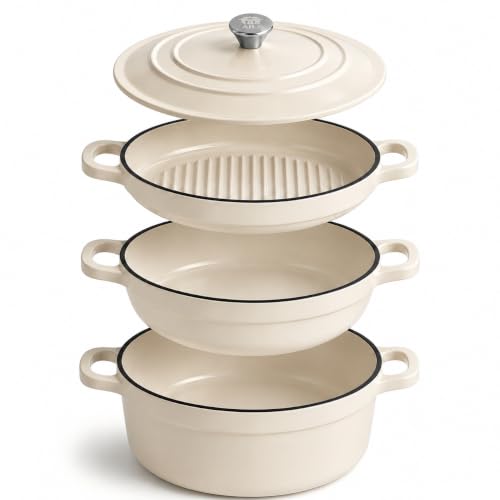


Picture a sauce that has been simmering for hours, dark and fragrant, and then one impulsive move: the hot enamel pot lifted off the burner and set directly under a stream of cold water. The sharp crack that follows isn’t just the sound of dinner ruined — it’s a $200 lesson in thermal shock. Enamel cookware is worth owning for even browning and the kind of steady heat that turns a boule into an artisan loaf. But these tools demand respect, and the reason is in what they are made of: the enamel is a vitreous glass layer fused to cast iron at extremely high temperatures. Glass and iron expand at different rates, so a sudden temperature swing loads the coating in tension against the metal underneath it, and the glass is the part that gives way. The practical distinction is that chipped enamel isn’t just cosmetic — it can expose the iron to rust and can be a safety hazard, but small chips are often still usable if you manage them. Beginners often worry about staining or discoloration, which is usually cosmetic, but they overlook the importance of always letting the pot cool before washing to protect the enamel from thermal shock. If you understand a few physical realities of the material, you can keep these workhorses performing for decades.
Key Takeaways
- Enamel is a glass-based coating that can chip from impact or thermal shock; a chip can expose iron to rust and is a potential safety issue if large.
- Never heat an empty enamel pot on high heat — this can cause the enamel to crack or degrade. Always let the pot cool completely before washing.
- Metal utensils can scratch the surface, but repeated scraping eventually wears down the coating; use wood, silicone, or nylon to preserve the finish.
- Most enameled cast iron is oven-safe to 500°F (260°C), but knobs and lids may have lower limits; always check the manufacturer’s specification.
What Actually Is an Enamel Pot? The Glass You Cook In
Enamel is not a paint. It is a powdered glass — specifically a vitreous enamel — that is fused to a metal substrate under intense heat. In cookware, that substrate is almost always cast iron or occasionally carbon steel. The process fires the glass at over 1,400°F until it melts and bonds, creating a non-porous, inert surface. This is also why you’ll sometimes see the term “porcelain enamel” used interchangeably; it refers to the same glass coating. Unlike bare cast iron, an enameled pot never needs seasoning. The surface is naturally resistant to acidic ingredients like tomatoes or wine, so you can simmer a pot roast with onion soup mix for hours without metallic off-flavors.
A high-quality enamel pot feels heavy for its size. The cast iron core distributes heat evenly across the base and up the sidewalls. Look for a smooth, glossy interior without pinholes or ripples. The rim of the pot is often bare metal — raw iron that will rust instantly if left damp. That’s not a defect; it’s simply the edge where the enamel coating stops. Staub and Le Creuset engineer their rims slightly differently, but both require diligent drying. The ASTM International standards for vitreous coatings specify adhesion and thermal shock resistance parameters, which is why brand reputation matters so much in this category.
Enameled vs. Bare Cast Iron: A Functional Divide
Bare cast iron demands seasoning — a layer of polymerized oil baked into the pores — to prevent rust and create a non-stick patina. Enameled cast iron skips that entirely. The glass coating seals the iron, so you can wash it with soap, soak it overnight, and cook acidic dishes without stripping any protective layer. However, bare iron can be sanded, re-seasoned, and restored indefinitely. Once enamel chips significantly, the pot’s integrity is compromised. For bakers accustomed to precisely calibrated oven environments, this difference shapes how you use each tool. I preheat a bare cast iron skillet screaming hot for a sear, but I heat an enameled Dutch oven gently with oil or liquid already inside. A sudden blister from a scorching empty pot can crack enamel irrevocably.

Why Enameled Pots Excel at Baking and Braising
There is a reason so much home sourdough is baked in an enameled Dutch oven. The tight-fitting lid traps steam released by the dough, mimicking a professional bakery’s steam injection oven. That initial blast of humidity keeps the crust flexible long enough for the loaf to spring fully before setting into a crackling, caramelized exterior. Enamel’s heat retention means the oven air temperature barely dips when cold dough goes in. A five-quart pot usually accommodates a one-kilogram boule comfortably. The light-colored interior of some brands makes browning far easier to judge through the oven door, without lifting the lid and losing precious heat.
But this performance comes with a caveat: the knob. Many enameled pots ship with a phenolic knob rated to 375°F. If you’re pushing bread temperatures to 475°F or 500°F, you need a metal knob. Swapping one is a five-minute job on almost any lid: a single screw through the center holds it, and nothing else changes. A stainless steel knob can take the heat indefinitely. Another baking application that rarely gets discussed is upside-down cakes cooked in enameled braisers. The shallow walls promote even fruit caramelization, and the enamel won’t react with acidic berries or citrus.
Induction, Gas, or Electric — Yes, It Works Everywhere
Enameled cast iron is ferromagnetic, so it naturally works on induction cooktops. You don’t need a separate disc or any adaptation. The flatness of the base determines how quietly and efficiently it transfers energy, though. A warped pot will vibrate and hum on an induction hob. When shopping, I run a straight edge across the bottom to check for convexity — high-quality makers like Lodge produce reliably flat bottoms. For electric coil or glass-ceramic stoves, the heavy pot sits stably and resists slipping.
One area where these pans shine is in sheet pan–style dinners adapted for the stovetop. You can brown chicken thighs in an enameled braiser, deglaze with broth, scatter vegetables, and transfer the entire pan to the oven. The glass coating releases fond more reluctantly than bare iron — let the liquid sit for a few seconds before scraping, and you’ll lift every browned bit.

Care That Protects the Glass Surface
Two things systematically destroy pots: metal spatulas and rapid temperature changes. Scratches from a metal spoon are usually cosmetic; they look like grey lines and can be scrubbed away with a baking soda paste. But repeated scraping thins the enamel layer until one day, a chip raises its sharp edge. Silicone, nylon, or wooden utensils eliminate that variable entirely.
The far more dangerous mistake is thermal shock. An enameled pot that moves straight from a hot oven into a sink of cold water experiences contraction stress that can spall flakes right off the surface. Always allow the pot to cool for at least 15 minutes on a trivet before hand washing. The enamel contracts at a different rate than the iron, and water cools the glass layer almost instantly. I set a timer after roasting to remind myself.
Dealing With Stubborn Burnt Residue
Burnt fond happens, especially when you reduce a glaze too far. Don’t reach for steel wool or heavy-duty scouring powder. Instead, fill the pot with warm water and a tablespoon of baking soda, bring it to a gentle simmer for ten minutes, then let it soak off the heat until cool. The alkaline solution loosens carbonized sugars without abrading the gloss. For extreme cases, I simmer a mixture of one part white vinegar to three parts water for 15 minutes, then scrub with a non-abrasive sponge. The finish on my 12-year-old braiser looks nearly new.
Preventing Rust on the Rim and Exposed Edges
The rim of an enamel pot is often raw cast iron that will rust overnight if left wet. After washing, I blot the rim dry with a dish towel and then let it air-dry on the rack for an hour before putting the lid back on. If you spot rust, a quick rub with a damp sponge and a small amount of baking soda paste removes it. Then dry immediately. Some cooks wipe the rim with a thin layer of food-grade mineral oil before storing long-term. I do this with pots I use seasonally, like the giant canning pot I only drag out for tomato season.
White Stains, Discoloration, and Other Cosmetic Panics
Hard water leaves calcium and magnesium deposits on enamel that look like a cloudy white film. It’s harmless and easily removed. Soak a paper towel in white vinegar, lay it over the stain for 15 minutes, then rinse. The acid dissolves the mineral scale without touching the glass. Food stains — especially from turmeric or tomato — fade with a soak in hydrogen peroxide or a light scrub with baking soda. The enamel is non-porous, so it won’t hold onto colors permanently. Enameled steel pots, often speckled and lighter weight, show scratches more readily but handle staining similarly.
I never put my enameled cast iron in the dishwasher. The long, hot, detergent-heavy cycle dulls the glossy finish over time. A mug or a small enameled steel bowl can survive occasional machine washing, but the weight of a seven-quart Dutch oven rattling through a cycle risks chipping the edges against other items. Hand washing takes two minutes. It’s the most reliable way to preserve the luster.
What About Seasoning? Do Enamel Pots Need It?
No. The glass cooking surface does not require and cannot absorb seasoning. However, the exposed iron rim can benefit from a light oiling, as I mentioned. Some older, thin enamelware — like vintage speckled pots — might have tiny grain-boundary imperfections. In those rare cases, a micro-layer of oil polymerized onto the rim alone helps block moisture. But never attempt to season the interior. The slick glass won’t hold it, and you’ll just create a gummy residue.
Longevity: How Many Years Can You Expect?
A well-maintained enameled cast iron pot lasts decades. I know families whose grandmothers’ French-made braisers are still in weekly rotation. The limiting factor is almost always chipping or severe impact damage, not the underlying iron. The iron itself, if protected from rust, is practically indestructible. So when you buy an enamel piece, you’re really buying the quality of the glass coating and the engineering of the bond. That’s why a difference in price exists — higher-end manufacturers control the frit composition and firing process more precisely, resulting in fewer hairline inclusions.
Even a small chip doesn’t spell the end. If the chip is on the exterior and the iron isn’t exposed to food, you can dab it with a touch of clear nail enamel (the cosmetic kind) to seal it from moisture. Interior chips are trickier. A chip smaller than a pencil eraser on the cooking surface can be used with caution, but you must inspect it regularly for rust or further flaking. Larger chips or ones that expose bare iron directly to acidic foods should retire the pot from cooking. The FDA’s metals guidelines recommend avoiding ingestion of metal fragments, which a degrading chip could release.
Frequently Asked Questions
Can I use metal utensils with enamel pots and pans?
A silicone spatula or wooden spoon is always safer. Metal spoons and whisks leave grey metal transfer marks that look alarming but are superficial. A soft scrub with baking soda lifts them. However, repeated metal-on-glass contact gradually abrades the coating. Over years, what starts as a scratch can deepen into a chip. I treat enamel surfaces like non-stick: nylon, wood, or silicone only.
How do I clean burnt food from an enamel pot without damaging it?
Simmer a mixture of water and baking soda (two tablespoons per quart) for 10–15 minutes. Let the pot cool completely, then scrub gently with a non-abrasive sponge. For persistent bits, a paste of coarse salt and water rubbed with a soft cloth can work. Avoid steel wool, scouring powders with bleach, and any heavy abrasive — these permanently dull the glossy finish.
Why is my enamel pot chipping and is it safe to use?
Chipping almost always results from thermal shock or impact — a cold shock after high heat, a dropped lid, or banging a metal spoon on the rim. A tiny exterior chip can be sealed. But if a chip on the interior cooking surface exposes iron, the pot is no longer safe for cooking acidic foods, as iron can leach and the chip may release glass fragments. Retire pots with large interior chips.
Can I put my enamel pot in the oven, and what’s the max temperature?
Most enameled cast iron pots are oven-safe to at least 500°F (260°C), but the knob is the critical limiter. A standard black phenolic knob maxes out around 375°F. Stainless steel or cast metal knobs can exceed 500°F. Always check the lid’s hardware before high-heat baking. Swapping a phenolic knob for a stainless one is the cheapest way to bake bread confidently at 475°F with no worry.