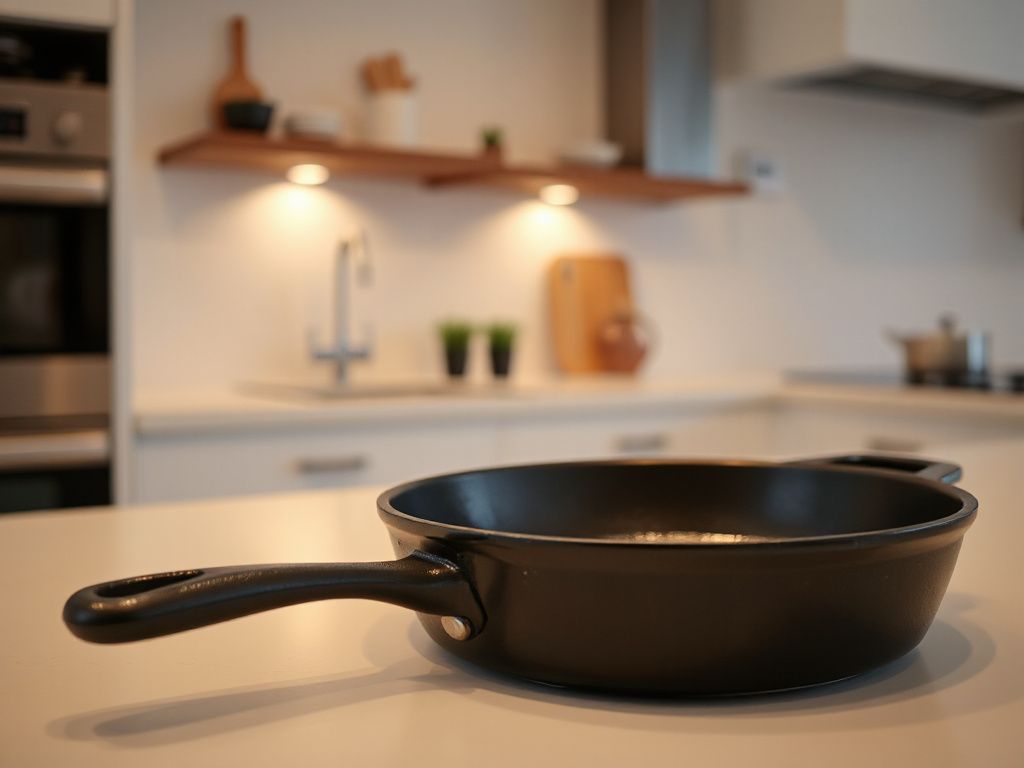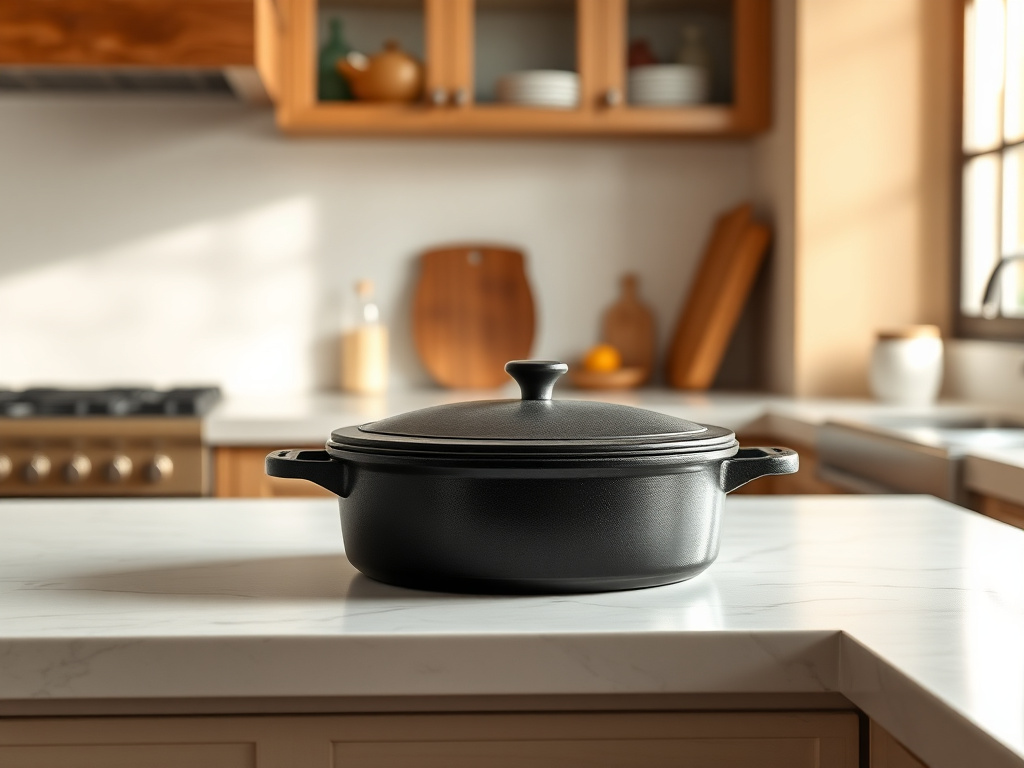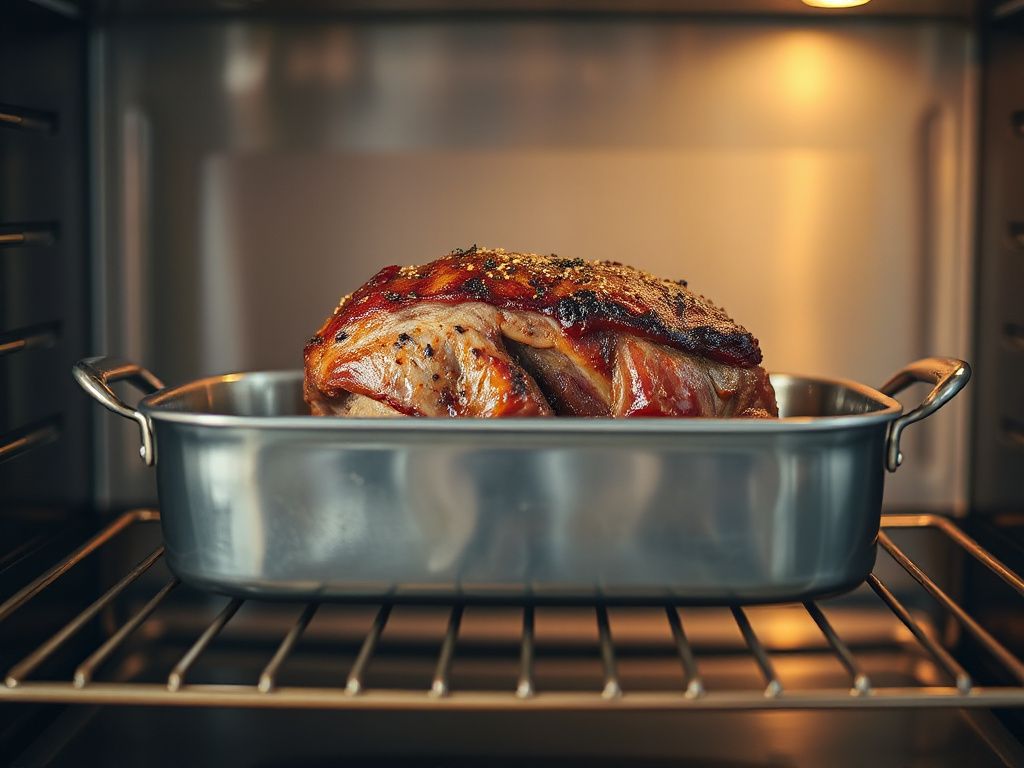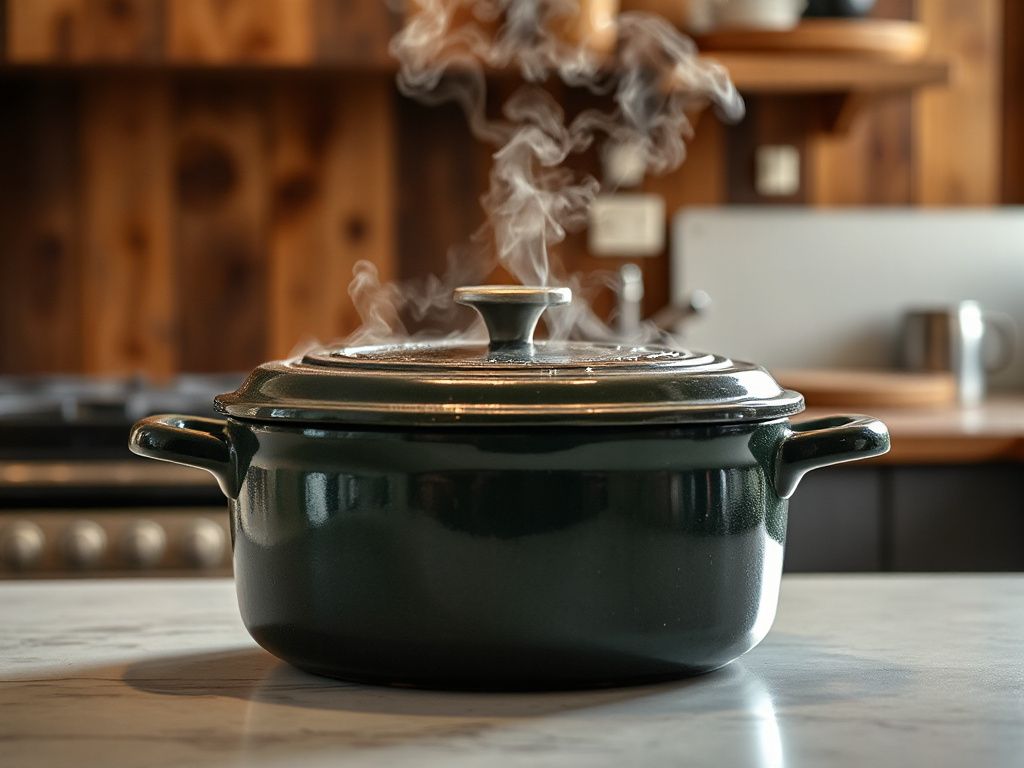
Most cooks relegate their two-handled cast iron to stovetop searing or campfire duty. They’re missing its true genius: the oven. A heavy, flat-bottomed skillet with two secure handles consistently produces better bread crusts, more even cookies, and perfectly browned gratins than any dedicated baking dish. The design isn’t just about weight—it’s about control. Most kitchen mistakes stem from rushing, and the extra 30 seconds spent checking the setup saves hours of cleanup or regret—doubly true when the thing being moved is a 10-pound skillet filled with bubbling cheese. Two short handles let you lift, tilt, and rotate that load with a stability one long handle cannot match, because the weight sits balanced between both hands instead of cantilevering out from a single point at the end of a lever. That is what turns an ordinary oven into a baking powerhouse.
Key Takeaways
- Two handles distribute weight evenly, making oven transfers safer and more controlled—especially when wearing bulky oven mitts.
- The thermal mass of cast iron retains and radiates heat uniformly, eliminating cold spots that ruin delicate baked goods.
- Proper seasoning creates a naturally non-stick surface that improves with use, rivaling any synthetic coating without chemicals.
- This skillet doubles as a genuine bake pan for bread, deep-dish cookies, cobblers, and even roast chicken—functionality that a standard baking sheet can’t touch.
In this guide
Why a Cast Iron Skillet with Two Handles?
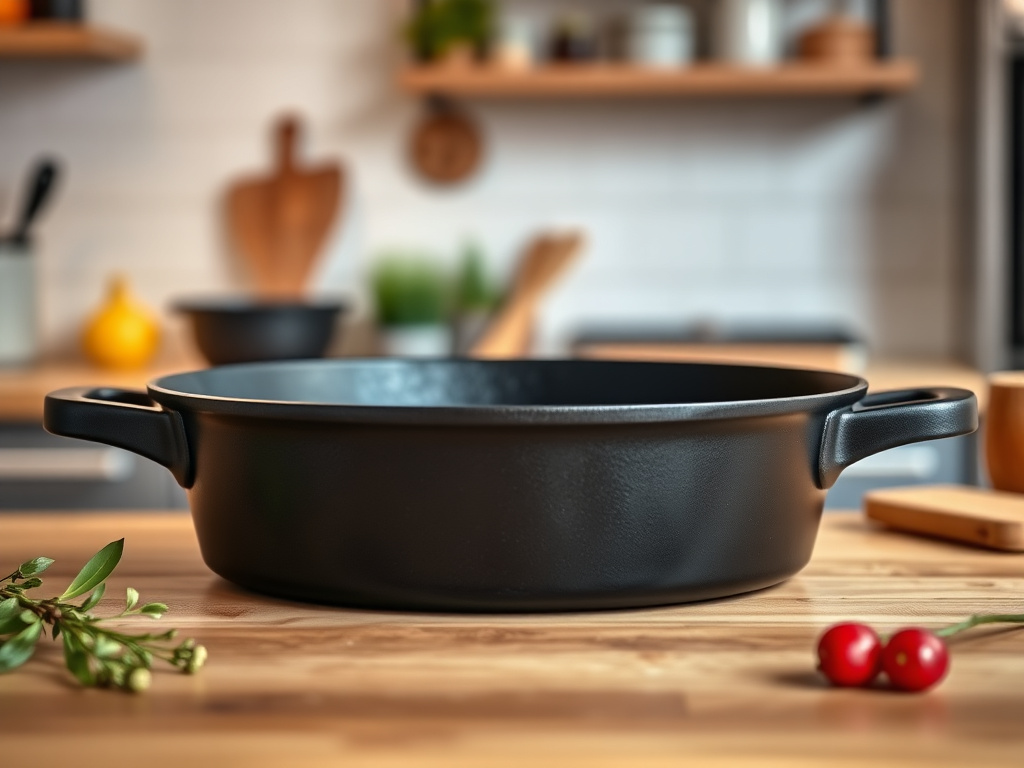
When you think of cast iron, the classic long-handled pan probably comes to mind. But a design that anchors a mass of hot metal with a single grip creates a lever arm that fights you when you lift it—especially dangerous near a 475°F oven. Two handles, positioned opposite each other, turn a cumbersome chore into a balanced, two-handed lift. This matters to bakers because we’re constantly moving heavy pans in and out of intense heat, often with twisted wrists trying to hold a heavy door and a piping-hot dish at the same time.
A skillet with two handles actually predates the long-handle version. Historically, hearth cooking required vessels that could be lifted with two hands or hung over coals from a bail. The design stayed because it’s ergonomically superior. For modern baking, that means I can confidently slide a fully loaded pan of cornbread or a crusty boule onto my oven’s middle rack without juggling.
The Physics of Heat Retention and Even Baking
Cast iron is a poor conductor of heat, and that’s exactly what makes it great. It takes longer to heat up—roughly 4 to 5 minutes per mm of thickness—but once hot, it holds immense energy. For a baker, this translates to a steady, unwavering heat that doesn’t plummet when you load a cold dough or batter. I often monitor surface temperature with an infrared thermometer: a properly preheated 5 mm skillet will settle around 430°F to 450°F in a 450°F oven and stay within 5 degrees for 10 minutes even after introducing a heavy loaf.
That thermal stability is the secret behind a crackling crust on artisan bread. The high heat instantly sets the exterior, sealing in steam to create that coveted open crumb. A thin aluminum pan can’t match it; the temperature drops by 20 to 30 degrees on contact, leading to a pale, soft crust. A two-handle cast iron skillet acts more like a baking stone but with walls—containing steam naturally and browning the sides and bottom evenly.
How Dual Handles Improve Safety and Versatility
Baking often means high temperatures for extended periods. A single handle concentrates all the torque on one wrist, making it perilous to navigate a crowded oven. Two handles, typically spaced 180 degrees apart, let you use the power of your whole upper body—distributing the load across both arms. This becomes critical when you’re also tilting the pan to pour off excess fat from a roast chicken or carefully maneuvering a molten lava cake still in its water bath.
Beyond safety, the two-handle design allows the skillet to serve as a gratin dish or deep baking vessel without a long handle hogging oven rack space. Many bakers actually prefer a small, round, two-handled skillet for personal skillet cookies or brownies, where presentation matters—you serve directly from the pan. The lack of a long handle gives it a cleaner, more table-friendly silhouette.
Baking Mastery with a Two-Handled Skillet
I often half-joke that my skillet is the only baking pan I need. From crusty boules to rich, gooey blondies, the two-handled skillet adapts beautifully. It’s not just about heat—it’s about the pan’s ability to go from stovetop to oven seamlessly, building flavor layers that a standalone baking pan cannot. A quick stovetop bloom of garlic and herbs before deglazing and roasting transforms a simple chicken into a showpiece. For a flawless rendition, try a garlic herb roast chicken directly in your preheated skillet; the cast iron’s heat sears the bottom while the oven roasts uniformly from above.
Bread, Rolls, and Deep-Dish Desserts
The skillet acts as a miniature bread oven. I proof doughs like ciabatta or focaccia right in the oiled, room-temperature pan, then pop it into a blazing 500°F oven. The radiant heat from the cast iron walls mimics a stone enclosure, producing a glossy, crisp crust all around. For dinner rolls, a 12-inch skillet can hold a dozen dough balls that bake into a pull-apart masterpiece. And for dessert, a deep-dish chocolate chip cookie—baked at 350°F for 22–25 minutes—emerges with a golden edge and a molten center. The two-handle design makes removing this heavy, cookie-filled pan from the oven a one-smooth-motion move.
Sheet Pan Equivalent with More Character
While a sheet pan excels at quick, high-heat dinners like chicken shawarma sheet pan dinner, a cast iron skillet with two handles can replicate that convenience while adding a deep, smoky char. The retained heat sears vegetables and proteins far better than thin aluminum, and the pan goes easily from burner to broiler. I’ve done countless sheet-pan-style meals in my skillet, the only difference being I can deglaze the flavorful browned bits on the stovetop afterward for a quick pan sauce—something you can’t do on a warped sheet pan.
Maintaining the Perfect Season for Baking
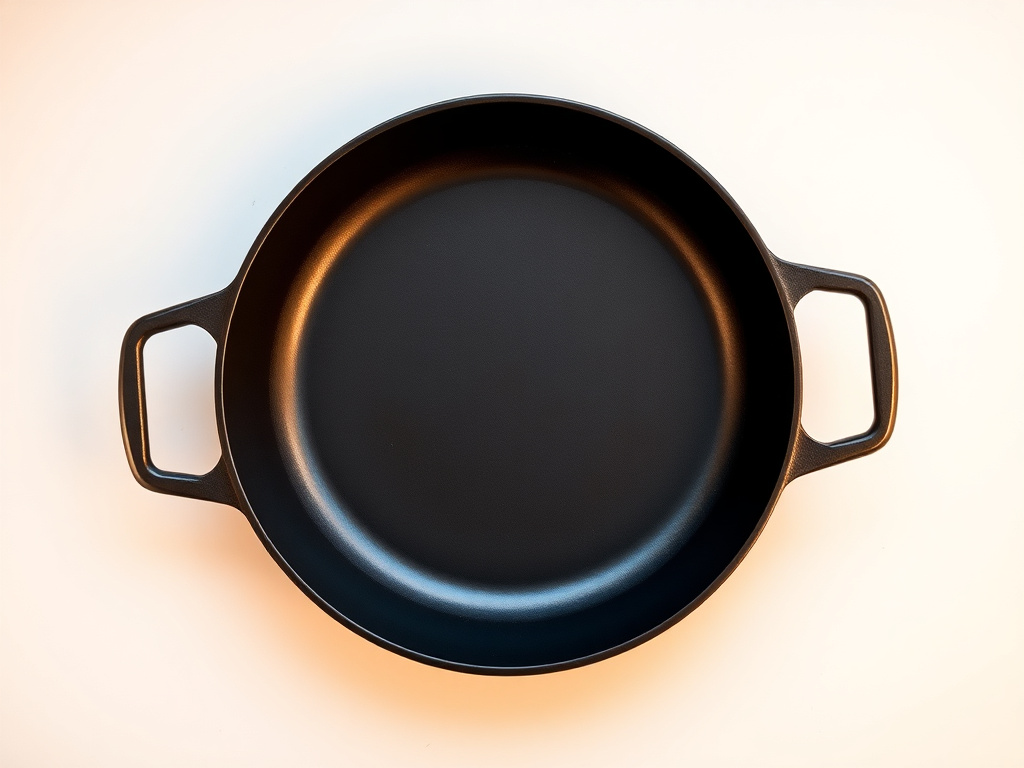
The honest test of a seasoned surface is how it releases something fragile—a delicate mille crêpe cake, or a sticky cinnamon roll. The seasoning layer—polymerized oil bonded to the iron—is what makes cast iron non-stick without synthetic chemicals. A well-maintained skillet of this design will release a golden-brown dinner roll with barely a nudge, while an improperly seasoned one leaves half the bottom behind. The two-handle configuration doesn’t change that chemistry, but a skillet used for baking asks more of its seasoning than one used only for searing: the polymer layer has to survive long, high, dry heat cycles without chipping or flaking.
The Baker’s Seasoning Protocol
Forget the flaxseed oil trend. It creates a beautiful, glossy surface that shatters under the intense, repeated thermal cycling of baking. I use refined grapeseed oil or pure vegetable shortening. The process: wash the bare iron with hot water and a stiff brush (no soap once seasoning is established), dry thoroughly, apply a gossamer-thin coat of oil—less than a teaspoon for a whole 10-inch pan—and then wipe it off as if you made a mistake. The pan should look dry. Then, heat in the oven at 450°F for 1 hour. Turn off the oven and let the skillet cool inside. Repeat 3–4 times, then begin baking. The result is a matte, dark brown surface that improves with every bake.
Daily Care Without Compromising Your Bake-Ready Surface
After baking, let the skillet cool until warm to the touch, then scrub gently with a chainmail scrubber and hot water—no detergent. The key is to remove any carbonized bits without stripping the polymer layer. Dry it immediately over low heat on the stove. Once dry, apply a micro-drop of oil and buff it with a paper towel. This takes 30 seconds, and most cast iron problems snowball from skipping that tiny step. A pan left wet even once develops rust, and then you’re back to reseasoning and sanding. If you’re intrigued by a surface that’s even smoother from the factory, our guide to the best machined cast iron skillets explains why some bakers prefer a mill-finished interior for delicate work.
When Two Handles Excel Over One (and When They Don’t)
Not every task calls for dual handles. For quick stovetop flipping, a long handle gives leverage none can beat. But in the oven, that same extended grip takes up precious rack real estate and becomes a burn hazard. I keep both styles in my kitchen, but the two-handle version is my dedicated baking workhorse. It fits in a round baking configuration perfectly, and the equal weight distribution means I can slide a fully loaded pan into a tight oven with precision, not prayer.
Weight Distribution and Control
A 10-inch cast iron skillet with two handles typically weighs between 5 and 7 pounds. By grasping both handles, your hands act as opposing forces, neutralizing the pan’s tendency to tip. This is especially helpful if you’re baking a deep-dish pie that’s liquid until it sets. One hand tilting a single-handle pan can result in a slosh and a scalding splash; two handles keep everything level. For those with weaker wrists or arthritis, the two-handled design can be a gameachanger by safely engaging both arms and core muscles.
Why Professional Bakers Prefer Dual Handles in Brick Ovens
Walk into a traditional bakery, and you’ll see peel-loaded breads baking directly on a stone deck—not in a pan. But when pans are used, they are almost always two-handled, flat-bottomed vessels made of heavy-gauge material. The reason is batch loading: a baker needs to quickly slide multiple pans into a 500°F oven without fumbling. Two handles allow rapid, stable placement. Home bakers can adopt the same mindset; a well-placed skillet on the middle rack ensures optimal convection and consistent results.
Troubleshooting Your Baking in Cast Iron
Even with the best tools, baking can go awry. Bread sticks, cookies burn on the bottom, crusts puff unevenly. The two-handled skillet is forgiving, but it’s not magic. Understanding how to read your bakes is part of the process.
If bread sticks despite good seasoning, your dough’s hydration might be too high, or the pan wasn’t hot enough when loaded. I always dust the preheated skillet with a thin layer of cornmeal or semolina for boules—it acts like ball bearings, ensuring release without extra fat. For enriched doughs like brioche, a light butter smear and a dusting of flour fixes the problem. If the bottom of your cookie or cornbread is too dark, drop the oven temperature by 25°F and place the skillet on a higher rack, or use a baking steel below for heat deflection. I often prop the skillet on an inverted sheet pan to moderate the crispness. None of these tweaks require special equipment—just observation and a willingness to adjust.
Frequently Asked Questions
What makes a two handle cast iron skillet different from a standard one?
A two-handle design replaces a long handle with two short, looped handles opposite each other. This shifts the pan’s center of gravity to a balanced, two-handed hold, making it far safer for oven use. It also eliminates the long handle that can bump into oven walls, making it ideal for tight spaces and baking applications where the pan serves as a serving dish.
Can I use a skillet with two handles for baking artisan bread safely?
Absolutely. The dual handles allow a secure, level grip when transferring a preheated, 450°F skillet from oven to cooling rack. Preheating the pan for 20–30 minutes mimics a baking stone, giving bread a fantastic oven spring and crisp bottom crust. Just always use heavy-duty oven mitts that cover your wrists, as the handles get extremely hot.
How do I season a two-handle cast iron skillet specifically for baking?
Use a high-smoke-point oil like grapeseed or shortening. Apply a micro-thin layer, wipe it completely off, then bake upside down at 450°F for an hour. Repeat 3–4 times to build a robust, matte finish. For baking, avoid flaxseed oil—it creates a brittle coating that cracks under prolonged dry heat. After each use, lightly oil and heat-dry to maintain the layer.
Does the two-handle design affect heat distribution in the oven?
No, the handle configuration does not alter the thermal properties of the iron itself. The entire pan—handles included—heats evenly as one mass. However, the balanced weight makes it easier to position the skillet precisely on the rack, which can improve airflow and promote even browning. The handles may need a few extra minutes to reach full temperature, so preheating is crucial.
What baked goods work best in a two-handled cast iron skillet?
Almost anything that benefits from intense, radiant heat: crusty artisan bread, pull-apart dinner rolls, deep-dish cookies, cobblers, cornbread, Dutch babies, and even quiche. The skillet’s ability to go from stovetop to oven also makes it perfect for skillet cakes where you sauté fruit in butter before pouring batter on top.
How do I prevent my cast iron skillet with two handles from rusting after baking?
Moisture is the enemy. After cooling, rinse with hot water and a stiff brush—no soap—and dry immediately over low heat on the stove. Once warm, apply a drop of neutral oil and buff it into the entire interior, handles, and rim. Store in a dry location with the lid ajar, or place a paper towel inside to absorb ambient humidity. Rust forms in hours if the pan stays damp.