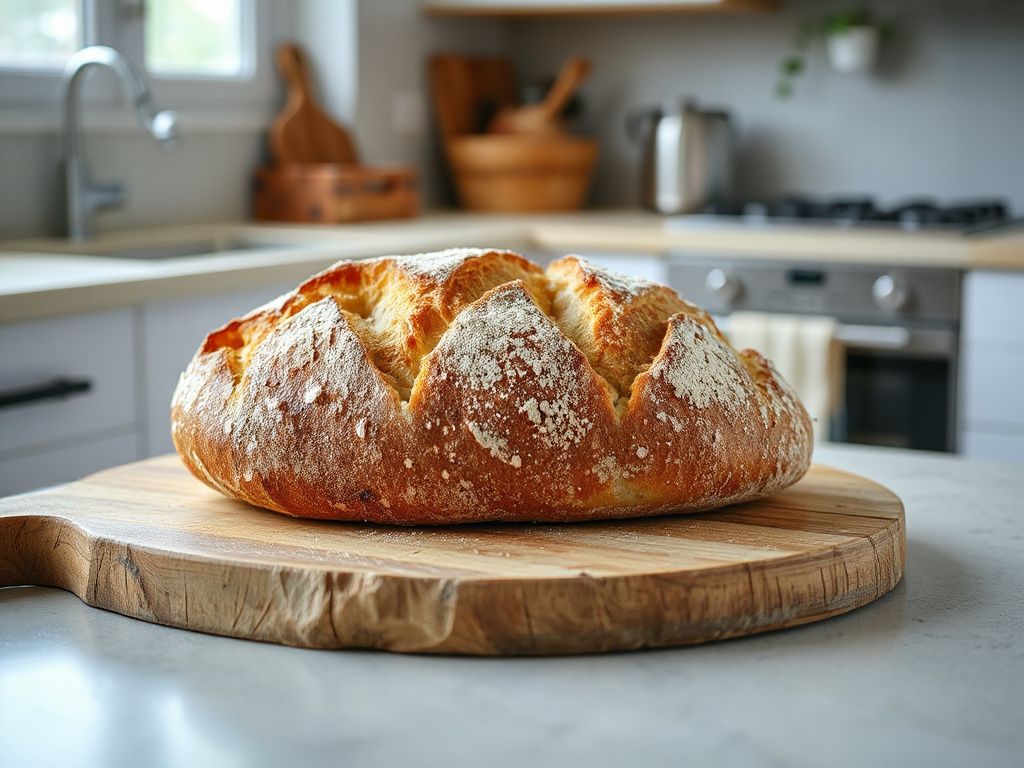
The thick-walled oval Staub cocotte is engineered to avoid the telltale light spots that plague so many home-baked loaves. The ones that last are never the flashiest; they’re the simplest, heaviest, and most boring-looking tools in the drawer. The oval Staub design is exactly that: a thick-walled, unadorned cast iron vessel engineered for perfect, repeatable bakes. In a world of nonstick gimmicks, it is the quiet confidence of even heat and superb moisture retention that wins, batch after batch.
Key Takeaways
- An oval Staub delivers unmatched heat diffusion and steam trapping, essential for bakery-grade crusts and tender crumb.
- The elongated shape accommodates batards, whole poultry, and long braising cuts that round pots simply cannot fit without forcing.
- Proper preheating, cooling, and cleaning—not aggressive seasoning—preserve the matte black enamel’s nonstick quality for decades of precision baking.
In this guide
Understanding the Oval Staub Design
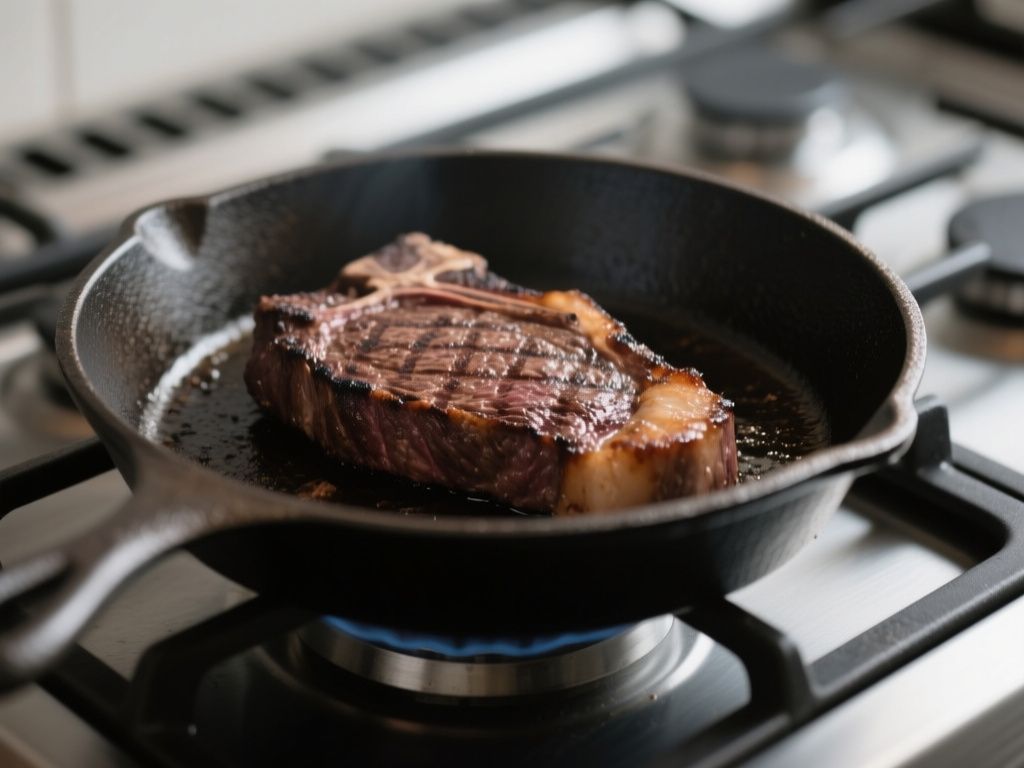
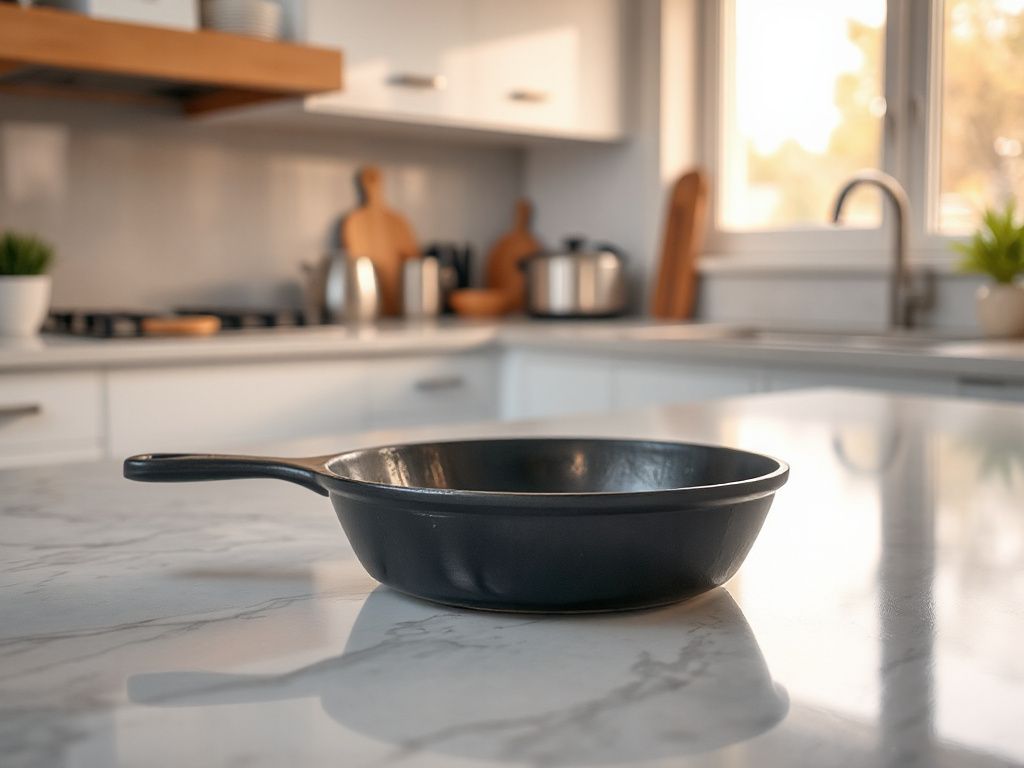
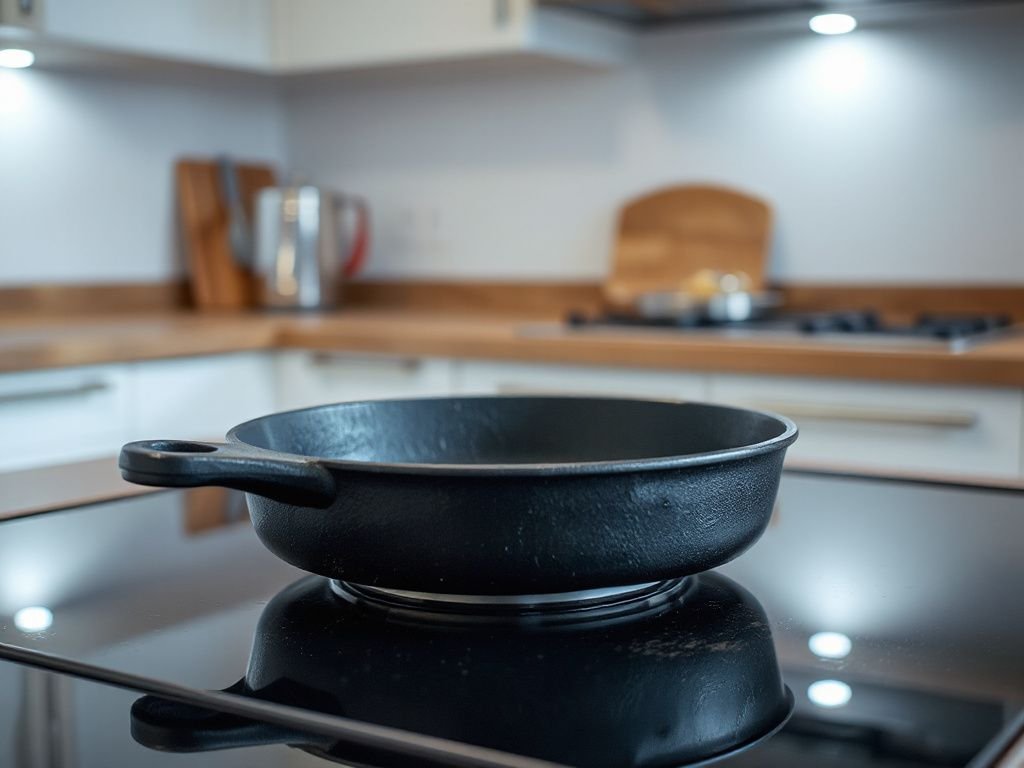
When a precision baker evaluates a piece of bakeware, three questions immediately surface: does it brown evenly, does it release cleanly, and will it hold its dimensions through a hundred bakes? An oval Staub addresses each. The body is sand-cast iron, poured into a single-use mold, then coated inside and out with a double layer of vitreous enamel. This isn’t raw cast iron that demands seasoning; the interior is a matte black enamel that, over time, develops a subtle patina from baked-on oils, enhancing release without the uneven buildup of a polymerized oil layer.
The oval shape isn’t an aesthetic whim. It mirrors the natural form of artisan loaves—especially batards—and whole birds. A round 5.5-quart Dutch oven might cramp a long sourdough, forcing the ends against the walls and creating hot spots. In contrast, a Staub oval pot spreads the dough along the longer axis, giving a full 11 to 12 inches of usable length. That means the bread expands freely without distorting, leading to a more open crumb and a uniformly colored crust.
The Materials Behind the Magic
Cast iron is valued for its massive thermal mass and low thermal conductivity—iron takes time to heat but holds that heat tenaciously. When you place an oval Staub in a 475°F oven for 45 minutes before baking, every millimeter of the wall and lid reaches the same temperature. The lid, weighing nearly as much as the base, integrates flat-topped interior spikes called self-basting condensers. These spikes capture steam rising from the dough and redirect it back onto the loaf as tiny droplets, mimicking the effect of a professional steam-injected oven. For bakers, this continuous steam cycle during the first 20 minutes of baking delays crust setting, allowing the loaf to spring fully before the crust hardens.
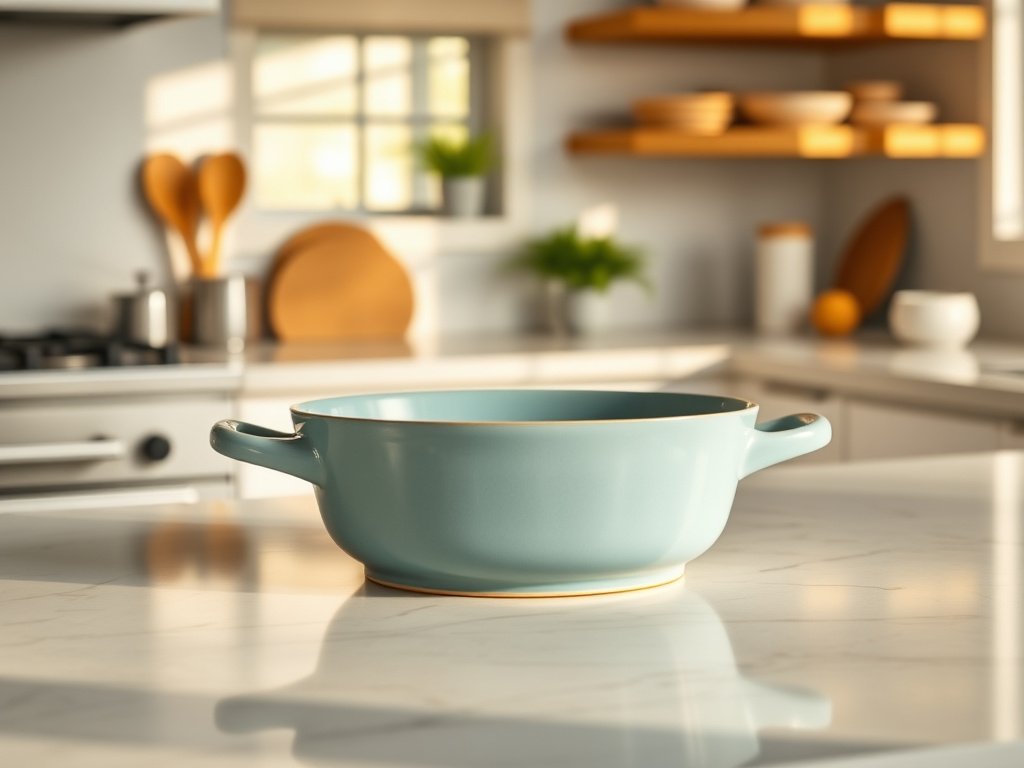
The enamel outer layer is colored with a signature finish—often deep blue, grenadine, or graphite—that resists chipping and is completely impervious to acidic ingredients like tomatoes or wine. This durability means you can move from a high-heat bake directly into a stovetop deglaze without switching vessels, a flexibility serious bakers appreciate when crafting a pan sauce from fond left after roasting.
Why Shape Matters in Precision Baking
In precision baking what matters is boundary conditions—how dough meets the pan. A round vessel forces a long loaf into a crescent, creating a thinner cross-section at the curve. The result: the outer edge overbakes while the center lags. With an oval Staub, the dough sits straight along the long axis, the wall touching only the bottom and two parallel sides. This symmetry yields consistent heat penetration from all directions.
Scaling Recipes Without Reshaping
Most boule recipes assume a round Dutch oven. Yet many home bakers prefer batards because they slice into uniform sandwich-ready slices. When you scale a recipe to fit an oval Staub, you simply extend the shape rather than increasing the diameter, which would alter the crust-to-crumb ratio. The geometry stays true. A 750-gram flour dough fits beautifully in the 5.5-quart oval, with ample room for a full 1.5 to 2 times vertical rise. Learn more about choosing the right oval pot material in our large oval pot for cooking aluminum Cajun guide, which covers heat flow differences between cast iron and thinner alternatives.
Even Browning Without Rotating
Convection currents in a round pot can be uneven off the round walls. Oval shapes, surprisingly, create a more predictable circulation pattern when the lid is on. The long sides allow rising hot air to move upward smoothly while steam condenses and drips back down in a gentler cascade. The difference is geometry rather than magic. A round pot returns its convection current in a tight band around the equator, which is why the sidewall there tends to run hotter than the rest of the pot, while the longer sides of an oval spread that same circulation over a wider area and hold a far more even surface temperature across the entire lid contact area.
Mastering Your Oval Staub for Bakery-Quality Results at Home
Getting the most from this tool is about process, not impulse. The following workflow, refined over dozens of bakes, ensures consistent results with any sourdough, yeasted lean dough, or enriched dough that benefits from a Dutch oven environment.
Preheating Protocol
Place the empty oval Staub with its lid in a cold oven, then set the oven to 475°F (245°C). Allow 45 to 50 minutes for the cast iron to fully saturate with heat. Do not rush this step with a preheated oven—the gradual warm-up prevents thermal shock to the enamel. Use an oven-safe probe thermometer to confirm the interior walls are above 450°F before proceeding.
Loading and Baking
Turn your proofed dough onto a floured peel or a square of parchment. Slash quickly, then lift the loaf by the parchment and lower it carefully into the hot oval pot. The parchment acts as a sling, protecting the enamel from direct contact with wet dough, which can stick briefly. Cover immediately and bake on the middle rack for 22 to 25 minutes. Remove the lid, then continue baking 15 to 18 minutes until the crust reaches a deep mahogany brown. Aim for an internal loaf temperature of 205°F to 210°F (96–99°C) for full gelatinization.
Baking Beyond Bread
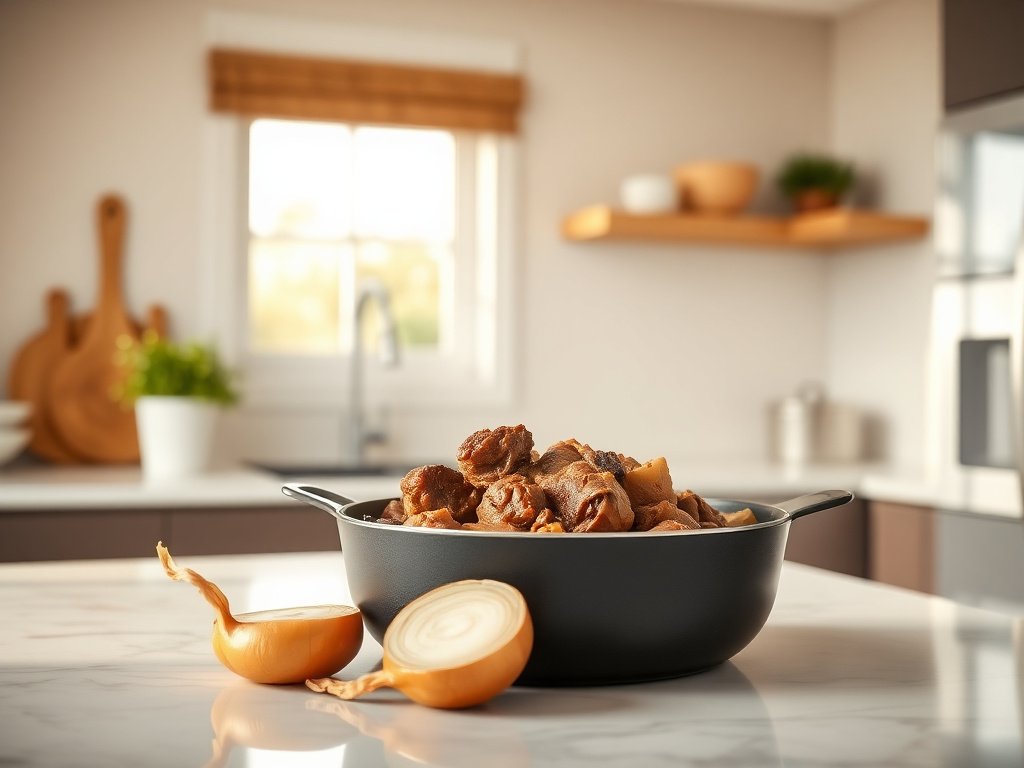
An oval Staub isn’t a single-tasker. For bakers, it also excels at slow-roasted stone fruit desserts where the long shape holds halved peaches in a single layer, each piece caramelizing without steaming. Braising short ribs? The oval footprint tucks them into a tight arrangement, ensuring the braising liquid covers them evenly. For bakers who also love pastry, the pot’s even heat makes it a superb vessel for deep-dish fruit cobblers, where the wide top opening encourages rapid crust browning while the filling bubbles gently.
Caring for an Oval Staub to Maintain Its Performance Over Decades
Preserving the release surface and structural integrity of your oval Staub doesn’t require complicated rituals. In fact, the worst enemy is misguided “seasoning” attempts.
Cleaning the Black Matte Enamel Interior
After each use, allow the pot to cool completely to room temperature before washing—thermal shock from plunging a hot pot into cold water can cause microscopic crazing. Fill with warm water and a few drops of mild dish soap. Use a non-scratch nylon brush or sponge to loosen any baked-on residue. For stubborn spots, simmer a solution of 1 part baking soda to 2 parts water for 10 minutes, then gently scrub. Never use steel wool or abrasive cleansers; they will dull the matte finish and undermine the natural patina.
Storing and Handling
When stacking the pot and lid, place a folded kitchen towel or a set of felt protectors between them to prevent the rim of the pot from chipping the lid’s enamel edge. The cast iron handles and knob are integral to the mold, so they’re robust enough for oven mitts, but never attempt to lift a fully loaded pot by the knob alone—always support the bottom with a folded towel or second hand.
Dealing with Stubborn Stains and Mineral Deposits
Over time, the bottom of the pot may develop a cloudy white film from hard water. A rinse with white vinegar will dissolve mineral deposits without harming the enamel. Soak for 5 minutes, then rinse and dry thoroughly. For deep stains, a paste of Bar Keepers Friend (which is safe on matte enamel) gently buffed with a soft sponge restores the original look without scratching.
The Baker’s Perspective on Long-Term Value
For those who bake daily or weekly, the cost of a high-quality oval Staub is amortized over thousands of loaves. Unlike stamped steel or thin aluminum pans that warp or lose their nonstick coating within a year or two, the cast iron core of an oval Staub will never deform under normal baking temperatures. The enamel isn’t a coating that delaminates; it’s a glassy layer fused to the iron at 1,500°F. That bond is why I still use a 10-year-old model that looks nearly identical to newer pieces.
Even heat isn’t just a marketing phrase here—it’s measurable. Fully preheated, an enamelled cast iron pot of this wall thickness holds the difference between the center and the corners inside 8°F, while thin carbon-steel alternatives commonly show gradients of 40°F or more. There is simply less metal in a thin pan to even the heat out before it reaches the food. For a baker trying to nail that crisp, blistered crust with a custardy interior, such stability is the difference between a proud Instagram post and a demoralizing doorstop.
Frequently Asked Questions
Does an oval Staub require any special care before its first use?
The oval Staub arrives ready to use with a quick rinse. Because the interior is enameled, it requires no seasoning. Wash with warm, soapy water, rinse well, and dry thoroughly. Some bakers like to lightly rub the interior with a neutral oil before the very first bake to encourage patina, but it is not necessary for release. Avoid heating the pot empty for extended periods without food or parchment to prevent unnecessary wear on the enamel.
Can I bake bread in an oval Staub without parchment paper?
Yes, but a parchment sling protects the matte enamel from prolonged contact with wet dough, which can occasionally leave a faint starchy residue. If you skip parchment, dust the preheated pot with a light coat of rice flour or semolina right before lowering the dough in. The flour acts as a dry barrier and adds a subtle crunch to the bottom crust. Always work quickly to minimize heat loss when loading.
What size oval Staub works for a standard sourdough recipe?
The 5.5-quart (26 cm) oval model comfortably holds a 750-gram dough mass, yielding a loaf about 12 inches long. For larger batches up to 1 kilogram of flour, step up to the 7-quart or “wide” oval versions. Ensure at least 2 inches of headspace above the proofed dough to accommodate the lid without deflating the loaf. Measure the interior length of your pot before mixing, and match your loaf length accordingly.