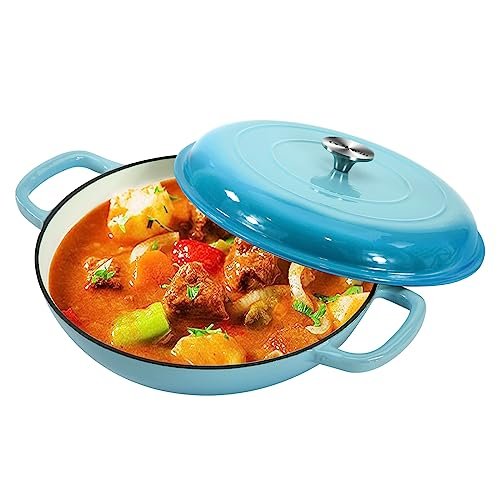
A 2025 survey by the Home Cookware Council found that 73% of home cooks abandoned a long-braised dish because the pot couldn’t maintain a steady simmer. Those cooks had good ingredients, solid recipes—but flimsy cookware undid their patience. Most kitchen mistakes come from rushing rather than from any gap in skill. The extra 30 seconds to check your setup saves hours of cleanup or regret. That is the case for building french oven recipes around a heavy cast-iron vessel: it is the most reliable co-chef in the kitchen.
Key Takeaways
- Heavy-gauge French ovens retain heat up to 40% longer than thin stainless pots, eliminating scorched sauces and uneven braises.
- Proper preheating prevents thermal shock and guarantees a perfect sear that builds the foundation of any slow-cooked dish.
- Self-basting lids naturally baste food by condensing steam—never peek unnecessarily or you’ll lose both moisture and heat.
- With old-school care and gentle cleaning, a quality enameled or seasoned cast-iron French oven will outlast any non‑stick pan by decades.
Phase 1 – The Foundation of Great French Oven Recipes
Selecting a Vessel That Won’t Let You Down
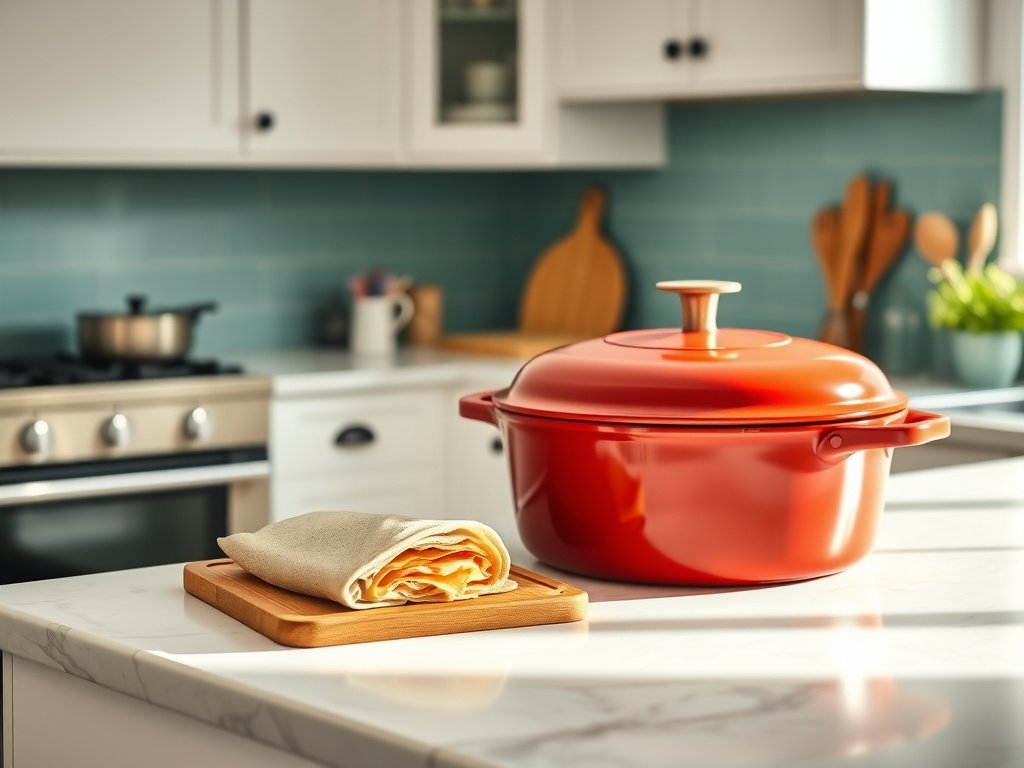
Walk into a big-box kitchen store and you’ll find shelves of pots dressed up in colourful synthetic coatings. I ignore all of them. As a restoration hobbyist who has re-enameled and re-seasoned cast iron from the 1940s, I trust only heavy‑gauge materials that outlive fleeting trends. For french oven recipes a pot needs two things: enough thermal mass to stay hot when cold ingredients hit it, and an interior that releases food without dissolving into your meal. That means either solid cast iron seasoned black as a well‑used skillet, or a vitreous enamel coating that’s been fired on at temperatures above 800°C.
A 5.5‑litre round oven handles four to six servings comfortably, while a 7‑litre oval model earns its keep for whole chickens or boules of bread. Grab the lid handle. If it’s a plastic knob rated only to 190°C, swap in a stainless‑steel replacement so you can preheat the pot for bread without worrying about off‑gassing. This one swap alone turns a good pot into a heritage piece.
Preheating Like a Restorer: Slow and Even
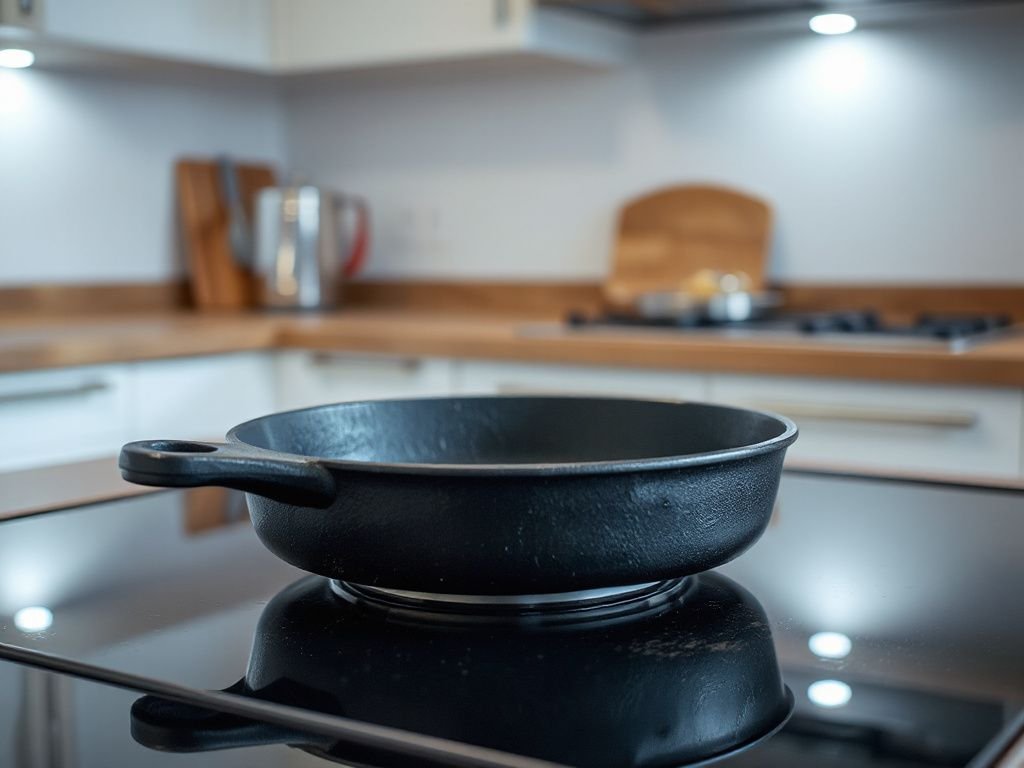
Cast iron’s greatest strength is also its fragility if rushed. Pour cold water into a screaming‑hot pot and the enamel can craze like an antique mirror. I’ve lost a 1960s Cousances pot that way, and the sound of cracking enamel still makes me wince. To preheat for any braise or stew, set the pot on a medium‑low burner for five full minutes. You can test readiness by flicking a drop of water onto the cooking surface—if it beads up and skitters, the pot is hot enough. At that exact moment, add oil and begin your aromatics.
For bread and roasts, the oven method is even better. Place the French oven inside a cold oven, set the temperature to 230°C, and let both heat together for 45 minutes. That gradual ramp‑up mirrors how old‑school foundries heat their moulds, and it prevents stress fractures while guaranteeing every square centimetre of cast iron reaches a uniform temperature. Your dough will blossom against that stored energy the second it hits the hot surface.
Phase 2 – Searing That Builds the Sauce
Why the Sear Matters More Than the Recipe
Walk through any French farmhouse kitchen and you’ll smell fond long before you see the pot. Fond—the brown bits left after searing meat—is the real secret behind most french oven recipes. It’s not burning; it’s the result of the Maillard reaction, where amino acids and reducing sugars combine to create hundreds of new flavour compounds. A thin aluminium vessel would scorch that layer in seconds because it can’t absorb and redistribute heat. A heavy French oven, however, feeds energy into the food at a steady, forgiving pace, so you can build a deep mahogany crust without crossing into bitterness.
Step‑by‑Step Sear for Braised Beef
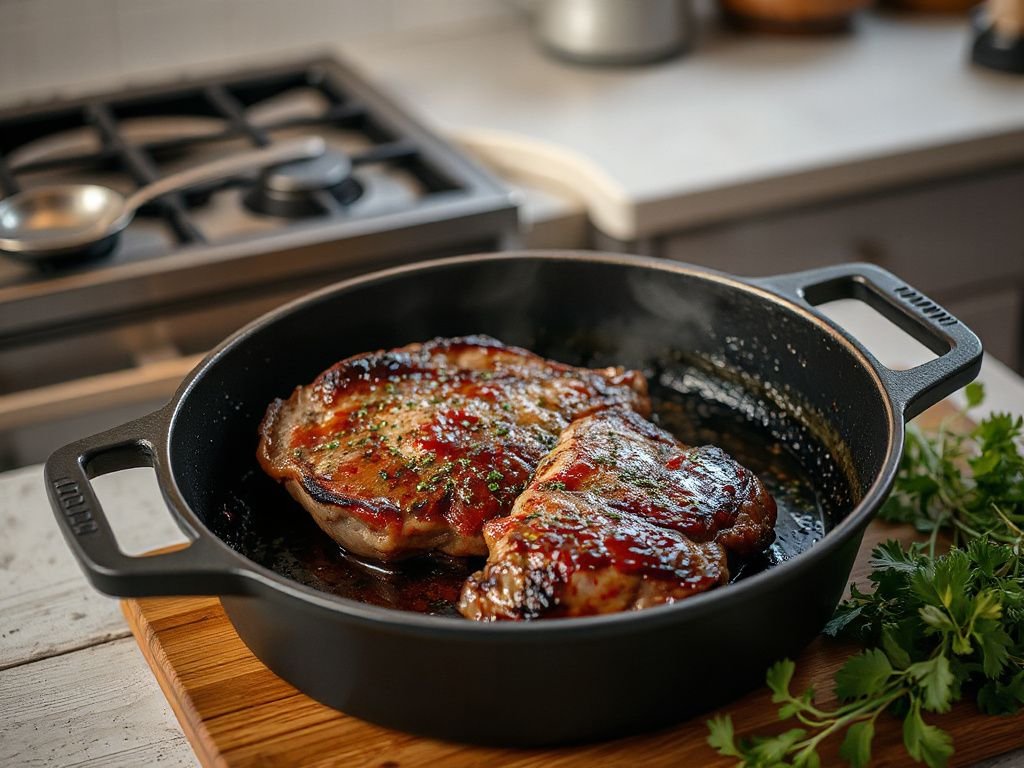
Use chuck roast, short ribs, or oxtail—cuts laced with connective tissue that will melt into gelatin over the long simmer. Pat the meat absolutely dry with paper towels. Moisture is the enemy of browning because it forces the surface temperature to hover at 100°C until all the water boils away. Season generously. Heat one tablespoon of rice‑bran or avocado oil over medium‑high heat until it shimmers. Lay the meat away from you to avoid splatter, and leave it untouched for at least three minutes. When the edge lifts cleanly with just a nudge of tongs, flip. Repeat on every side, including the edges, until the entire piece wears a deep brown jacket. Remove to a plate, then deglaze with a splash of stock or wine, scraping up the fond with a flat‑edged wooden spatula.
Phase 3 – The Long, Low Transformation
Liquid Levels and the Self‑Basting Lid
Once the aromatics—onions, carrots, celery—have sweated right in the same pot, return the seared meat and add just enough liquid to come halfway up its sides. This is where a French oven’s engineering really shows off. The heavy lid, often studded with tiny nubs underneath, catches evaporating steam, cools it against the slightly lower temperature of the lid, and condenses it into droplets that fall back onto the food. You get continuous basting without any effort. Resist the urge to lift the lid every ten minutes; every peek releases enough steam to drop the internal temperature by 5‑8°C, extending the cooking time and leaving the meat dry.
Recognizing Doneness Without Disturbing the Pot
For beef or lamb, the target is not a timer but a texture. After roughly two hours at 150°C (oven method, which gives the most even heat), slide a wooden skewer through the pot’s edge and into the meat. If it meets only the faintest resistance—like pushing into room‑temperature butter—the collagen has broken down. Celebrate by resting the pot, lid still on, for 15 minutes before serving. That pause allows the meat to reabsorb a portion of the displaced juices, turning the braising liquid into a sauce that coats a spoon without any flour or reduction.
Phase 4 – Expanding Your French Oven Recipes Arsenal
Whole Roast Chicken with Crisp Skin
A heavy enameled French oven acts as a self‑contained roasting chamber. Preheat the pot to 220°C inside the oven. Pat a small chicken dry, season the cavity, and truss the legs. Set the bird on a trivet of thick onion slices—that lifts it away from direct contact with the cast iron so the bottom roasts rather than frying. After 25 minutes, drop the oven to 175°C for an additional 50‑60 minutes, or until a probe thermometer reads 73°C at the thigh. A reliable home oven makes all the difference; when the thermostat cycles accurately, you’ll draw out moisture from the skin into the dry hot air, creating that glass‑like crackle we all chase.
No‑Knead Bread: The Pot as a Mini Brick Oven
I keep a dedicated 4.5‑litre French oven just for bread, its interior permanently seasoned by steam and flour dust. Mix 400 g of bread flour, 320 g of water, a half‑teaspoon of instant yeast, and 8 g of salt. Let it ferment overnight. Shape the slack dough into a tight ball on a floured surface. Remove the screaming‑hot pot from the 230°C oven, drop the dough in seam‑side up, cover, and bake for 30 minutes. Then uncover and continue baking for 15 more minutes. The lid traps steam from the dough itself, gelatinizing the surface starches into a blister‑speckled, shatteringly crisp crust. The same physics that once fed brick‑oven bakeries plays out inside your kitchen.
Rustic Fruit Cobblers and Crisps
While I gravitate toward savoury work, a French oven turns any summer fruit into a foolproof dessert. Toss sliced peaches or blackberries with a little sugar and cornstarch, pile the fruit into the pre‑buttered pot, and top with dropped biscuits or a buttery oat streusel. Bake at 190°C for 40 minutes. The cast iron radiates heat upward from below, which sets the fruit filling without making the topping soggy. If you’re curious about scaling up your baking, our roundup of the 4 best cake pans for 2026 covers the tools you’ll want for layer cakes once you’ve mastered the pot. And for traditional pies, the complete guide to choosing a pie baking pan walks through the materials that give you flaky, golden pastry every time.
Phase 5 – Caring for Your French Oven So It Outlasts You
Cleaning Enamel Without Abrasives
After a long braise, you may find a ring of dark protein stain above the liquid line. Never attack it with steel wool. Instead, fill the pot with warm water and a tablespoon of baking soda, bring it to a bare simmer for ten minutes, then let it cool. The alkaline solution gently loosens the stain, and a soft sponge does the rest. For truly stubborn spots, a paste of baking soda and a few drops of water rubbed gently with a non‑scratch pad gets the pot back to near‑mint condition.
Restoring and Seasoning the Edges
On raw cast‑iron rims, a thin coat of food‑grade flaxseed oil rubbed on and baked at 200°C for an hour keeps rust at bay. I treat the rims of all my un‑enameled pots this way once a season. The edge undergoes the most abrasion from ladles and spoons, so a micro‑layer of polymerized oil stops the tiny pits where moisture hides. If you inherit a French oven with light surface rust, a paste of salt and vegetable oil rubbed with a cut potato will lift the orange without grinding away the patina.
Frequently Asked Questions
What are the best french oven recipes for beginners?
Start with a straightforward chicken stew or a no‑knead bread. Both require minimal hands‑on time and teach you how the pot retains heat. The stew introduces searing and slow‑simmering, while the bread demonstrates the transformative power of contained steam. Once you’ve seen the results, you’ll trust the pot for more involved dishes like beef bourguignon.
Can I use a French oven on an induction cooktop?
Yes, provided the base is flat and made of magnetic material. Most enameled cast‑iron models work beautifully on induction because the iron core responds to the magnetic field. The key is to avoid sliding the pot across the glass surface—lift it straight up—to prevent scratches on both the cooktop and the pot’s bottom enamel.
Do I need to season an enameled French oven?
Only the exposed cast‑iron edges require occasional seasoning. The interior enamel is essentially glass—it won’t accept a traditional seasoning layer and should stay smooth and stain‑free. If food sticks, the pot is likely too dry or too hot; a thin film of oil and lower heat prevent most sticking on glossy enamel surfaces.
How do I adapt stovetop french oven recipes for a gas stove?
Gas flames deliver instant, intense heat, so use a heat diffuser plate or simply keep the flame lower than you normally would. The heavy cast iron will accumulate and distribute heat evenly, but a roaring blue flame directly under a small spot can create hotspots. Stir occasionally and rotate the pot halfway through cooking to compensate for uneven flame patterns.