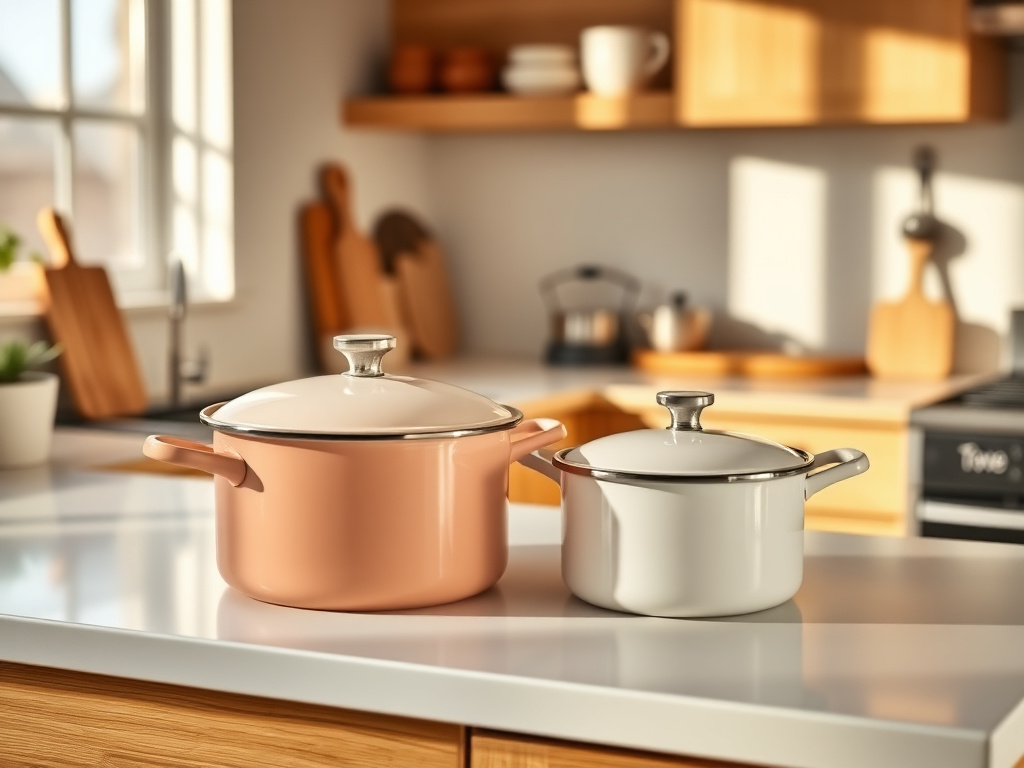
Nothing is more frustrating than pulling a batch of meticulously prepared croissants out of the oven only to find saddle-brown tops next to doughy, underbaked middles. For a precision baker, uneven results aren’t just a disappointment—they’re a sign that something fundamental is wrong with the equipment. The kitchen products that last are never the flashiest—they’re the simplest, heaviest, and most boring-looking tools in the drawer. For perfect bakes, American-made enamelware is built to deliver the kind of reliable performance that keeps bakers coming back. It’s not about nostalgia; it’s about physics, materials science, and honest craftsmanship that shows up in every golden crust.
Key Takeaways
- American-made enamelware offers superior heat retention and even baking due to high-quality cast iron and a consistent, hard enamel coating.
- Precise dimensions and tight tolerances lead to better-fitting lids, which helps trap steam and maintain exact temperatures for delicate doughs.
- With proper care—hand-washing, gentle utensils, and avoiding thermal shock—this cookware can easily last several decades without losing its nonreactive surface.
- Choosing domestically produced enamelware supports rigorous quality control and the survival of small-batch foundry skills that mass production often overlooks.
In this guide
Why American-Made Enamelware Earns a Place in a Precision Baker’s Kitchen
When I evaluate any piece of bakeware, three questions guide me: Does it distribute heat evenly? Are the dimensions accurate? Will the surface hold up after dozens of bakes without sticking or flaking? Enameled cast iron from American workshops often satisfies all three more consistently than imported alternatives. The reason lies in both material and method.
The Physics of Heat Retention and Distribution
Cast iron, the core of enamelware, possesses a high volumetric heat capacity. This means it soaks up a large amount of thermal energy and releases it slowly and evenly. For a baker, this translates to fewer hot spots in the oven. When you slide a loaf pan onto the middle rack, the surrounding air temperature might fluctuate, but the pan itself acts as a thermal buffer. Wall temperatures bear that out: American-made enameled cast iron routinely holds less than a 15°F variation across its surface, while thinner stamped steel can swing by 50°F or more, simply because there is not enough metal in it to store heat and even the differences out. That stability is crucial for custards, cheesecakes, and any recipe where gentle, uniform heat prevents cracking or curdling.
The enamel coating itself—essentially a vitreous glass fused to the iron at temperatures around 1,500°F—adds another layer of protection. It’s nonporous and chemically inert, so it won’t react with acidic ingredients like lemon curd or tomato-based fillings. In my kitchen, that means I can use the same dish for a strawberry-rhubarb crisp and then a savory bread pudding without worrying about off-flavors or discoloration.
The Critical Role of Accurate Sizing
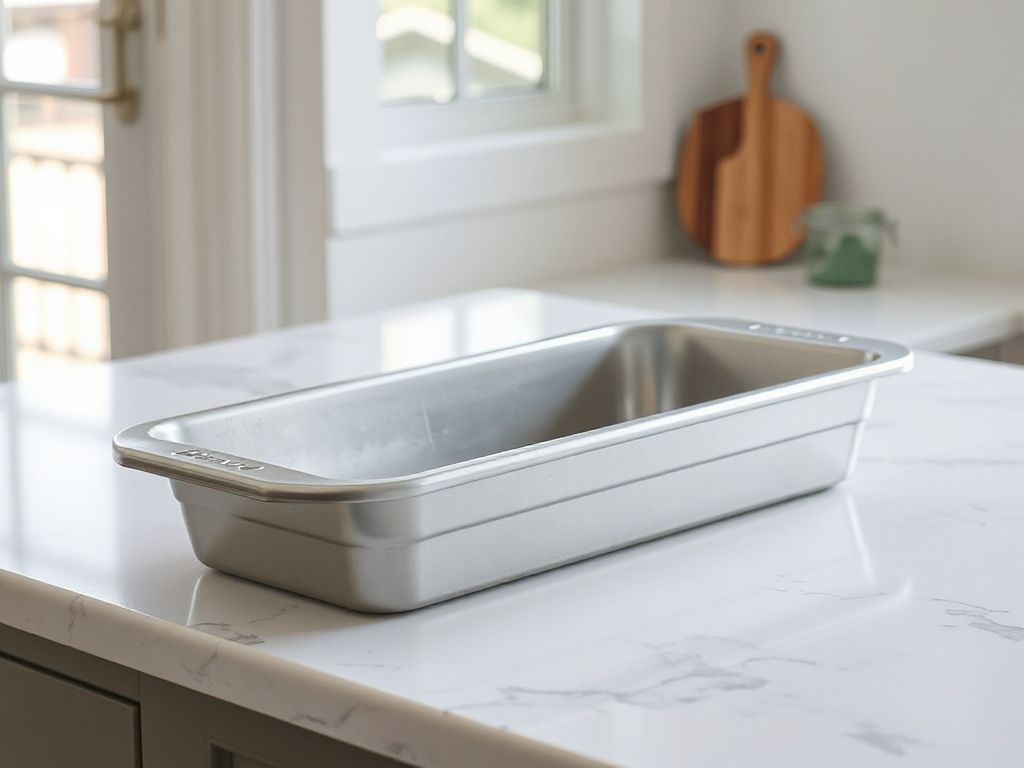
Precision baking demands that a 9-inch round pan be exactly 9 inches, not 8.85 inches. A half-sheet pan must sit flat without warping at 400°F. American manufacturers have historically adhered to strict dimensional standards, and that tradition continues in many small foundries. A slightly undersized pan might seem trivial, but it can throw off bake times by 10% or more. I once had a fluted tart pan that was a quarter-inch shallower than specified; the filling overflowed and the crust never set properly. That kind of failure points directly to sloppy tooling. Enamelware made in the US often still uses gravity-fed casting molds with repeated quality checks, yielding products that match their stated measurements exactly.
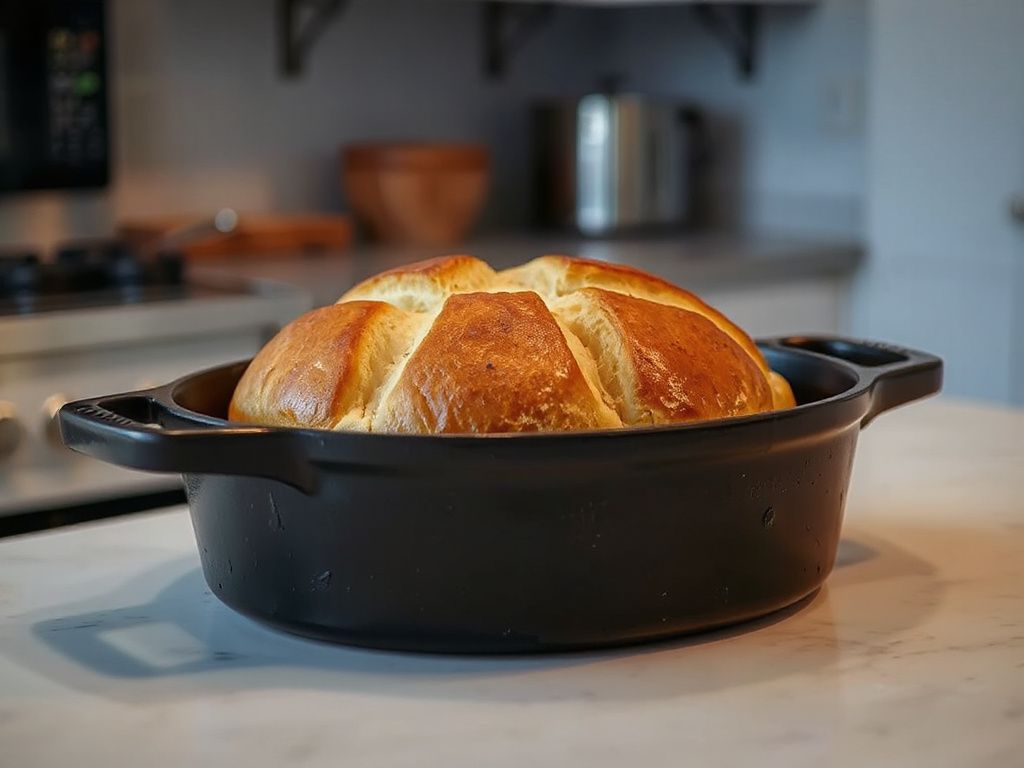
Lid fit matters just as much for covered bakes. A heavy, well-seated lid traps steam and helps develop that blistered crust on a Dutch oven loaf. The slightest gap can vent precious moisture. American-made enamelware frequently features lids with self-basting spikes or snug rims milled after coating, a detail that mass-produced imports may skip.
While the right tools set the stage for success, don’t underestimate the value of a sharp knife for prep work. After all, even a perfect bake starts with cleanly trimmed fruit or precisely diced butter. I once spent a weekend comparing two renowned blade brands and documented my findings in this Montana Knife Company vs Benchmade breakdown.
What to Look for in High-Quality American Enamelware
Not all enamelware is created equal, even within domestic production. Your first clue is weight. Lift the piece; heavy isn’t a flaw, it’s a promise of dense iron and thick enamel. Flimsy, lightweight castings typically contain more recycled scrap and impurities that create microscopic voids, leading to uneven heating.
Iron Quality and Foundry Practices
Traditional US foundries often use a higher proportion of pig iron in their melt, which yields a more consistent crystalline structure after cooling. This matters because the iron’s thermal expansion coefficient must closely match that of the glass enamel. If the two expand and contract at significantly different rates, the enamel can craze or spall over repeated heating cycles. The best American manufacturers test each batch by cycling samples from 500°F to room temperature dozens of times, rejecting any that show hairline cracks.
Enamel Thickness and Composition
A quality enamel coat is rarely a single layer. It usually involves a ground coat directly on the iron for adhesion, followed by one or more cover coats in the desired color. The total thickness can range from 0.2 mm to 0.5 mm. Thicker isn’t always better if it’s applied unevenly, but a gently undulating surface suggests hand-dipping rather than robotic spraying. Hand-dipped enamel tends to have fewer pinholes because the piece is rotated slowly to let excess drip off, leaving a self-leveling film. Under a bright light, you shouldn’t see any dark speckles showing through the cream-colored interior—those are potential weak spots where acidic liquids could eventually reach the iron and cause rust.
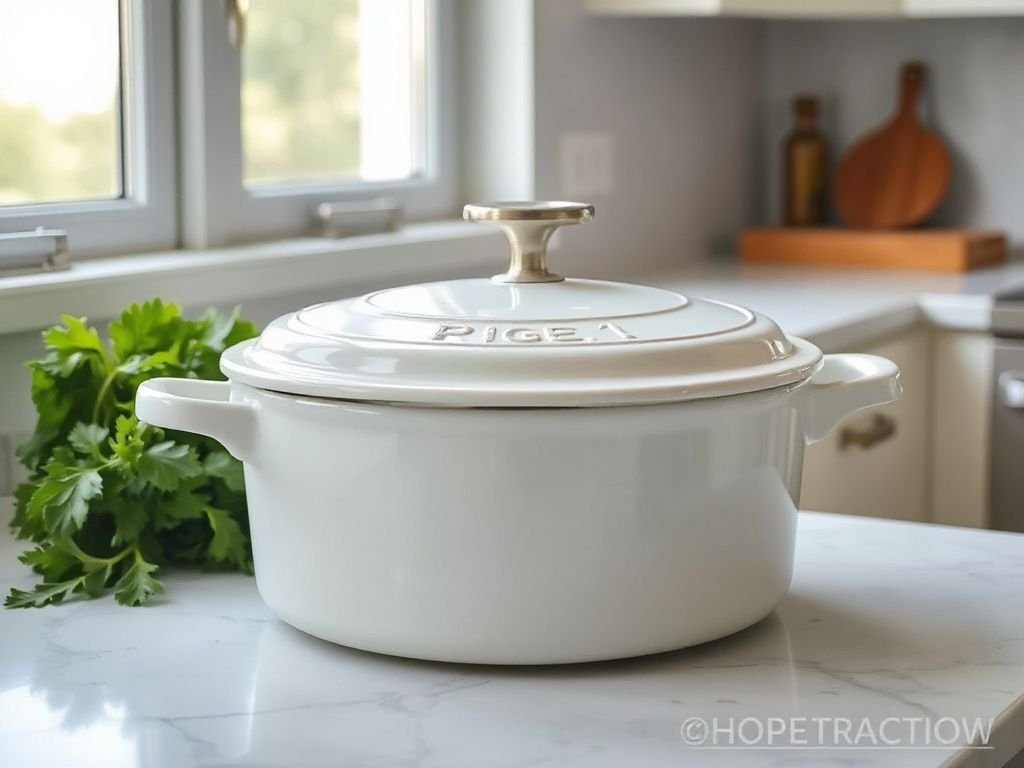
For bakers, the interior color matters. Matte black interiors, while common on some brands, can make it hard to judge browning. A light-colored enamel—sand, cream, or white—provides a clear contrast so you can spot a fond developing or notice if the bottom of a tart is overbrowning. That visibility has saved my quiche more than once.
Finishing Touches That Signal Care
Look for stainless steel or solid brass knobs rated to at least 500°F. Plastic or wood knobs might be charming, but they can’t handle high-heat bread baking. A well-designed knob should be wide enough to grip with a mitt, and the underside should be uncoated cast iron or contain a heat-resistant insert. Also examine the edge where the lid meets the pot. On American-made pieces, you’ll often find a lightly ground rim—dull rather than glossy—that helps the lid slide into place without chipping the enamel.
Common Mistakes That Shorten Enamelware’s Lifespan
Even the sturdiest enamel bakeware can be ruined by a handful of everyday habits. Costly Dutch ovens can be reduced to rust buckets in six months because of simple missteps.
Neglecting Gentle Utensils
Silicone, wood, or nylon utensils are non-negotiable. Metal spatulas and whisks can leave fine scratches in the enamel that, while not immediately problematic, create anchoring points for stains and mineral deposits. After a few dozen bakes, those scratches turn into a gritty surface that food clings to. I’ve had to retire an otherwise great roasting pan because someone used a fork to lift out a roast and left a trail of deep grooves.
Stacking Without Protection
Enamelware is glass-on-metal, so stacking pots inside one another without a liner is an invitation for chipping. A simple felt pan protector or even a folded paper towel between nested items can save you from heartbreak. This is especially true for lids, which often have exposed edges. Store lids upright in a rack, or place them face down after covering the rim with a soft barrier.
Ignoring the Oven’s Upper Temperature Limit
While most enameled cast iron is safe to 500°F, the enamel itself can begin to soften or discolor past that point. Some domestic brands recommend a hard cap of 450°F for sustained baking to preserve the glossy finish. I always check the manufacturer’s guidelines before cranking the oven to its maximum for pizza, and I use an oven thermometer to confirm accuracy because built-in dials can be off by 30 degrees.
These precautions might sound fussy, but consider this: a well-maintained American enameled pot can easily become an heirloom. The same pan that bakes a batch of strawberry cinnamon rolls, delivering the soft, even heat that filling needs, is the pan still in service years of Sunday mornings later. That continuity isn’t just sentimental; it’s evidence of a tool built to outlast trends.
Practical Care Routines for Daily Baking and Cooking
Adopting a few daily habits will keep your enamelware performing at its peak. I’ve distilled these routines from trial, error, and conversations with small-batch manufacturers.
Hand-Washing Over the Dishwasher
A dishwasher’s high-pressure jets, combined with powerful detergents, can etch the enamel surface over time, dulling the shine and gradually weakening the top coat. Hand washing is the answer for enamel bakeware: warm water, a mild dish soap, and a soft sponge do everything a machine would, without driving detergent into the glaze under pressure. For stuck-on residue, a paste of baking soda and water left to sit for twenty minutes lifts off most residue without abrasion. Avoid steel wool or scouring powders—they’ll leave permanent gray streaks that ruin the luster.
Seasoning the Rim (but Not the Interior)
Enamel interiors do not require or benefit from seasoning; the glass is already nonstick once properly preheated with fat. However, the raw cast iron rim where the lid sits can develop surface rust if left damp. After drying, I rub a very thin film of neutral oil—grapeseed or canola—onto that exposed edge with a paper towel. This prevents orange spots without affecting the enamel.
Heating Gradually
Never place an empty enameled pan on a high flame. The iron and glass expand at slightly different rates, and a sudden burst of heat can create stress fractures. When searing or preheating for bread, add oil or butter to the cold pan first, then bring the temperature up moderately, so the fat has somewhere to carry the heat besides straight into the enamel. For oven use, put the dish into a cold oven and let it come up alongside the air, unless the recipe explicitly calls for a preheated stone.
Checking for Signs of Wear
Every few months, I inspect my pieces under bright light. I look for any chips along the rim, fine cracks radiating from handles, or dull patches on the cooking surface. A tiny chip on the exterior won’t immediately ruin the pan, but it can spread. Some manufacturers offer re-enameling services, and it’s worth reaching out before the damage worsens.
Of course, cookware is only one part of the kitchen equation. A well-equipped baker also appreciates the value of a thoughtfully composed meal. I’ve found that the even heat of an enameled braiser elevates everything from coq au vin to the simple roasted chicken I use in my homemade chicken Caesar salad from scratch, a 25-minute recipe that tastes like it took all afternoon.
Frequently Asked Questions
What makes American-made enamelware different from imported versions?
American manufacturers often prioritize denser cast iron and hand-applied enamel layers, resulting in more consistent heat distribution and a thicker, chip-resistant coating. Domestic production also tends to follow stricter dimensional tolerances, so a 5-quart Dutch oven really is 5 quarts, and the lid fits snugly. Quality control typically involves individual inspection rather than batch sampling, giving you a better chance of getting a flawless piece right out of the box.
Can enamelware made in the United States handle high-heat baking like artisan bread?
Absolutely. Most American enameled pots are safe to 500°F (always check the brand’s specification). The thick walls and tight lid create a mini steam chamber that mimics a professional oven. Preheating the pot empty at 450°F for 30 minutes before dropping in your dough yields a blistered crust that’s hard to achieve with other materials. Just be careful not to exceed the maximum temperature, and never subject the hot pot to cold water immediately after use.
How should I store my enamel bakeware to prevent damage?
Store pieces separately or with soft protective liners between them. Lids should be placed upright in a rack or laid flat with a cloth beneath them. Avoid stacking heavy items on top of the enamel surface, as pressure combined with minor vibrations can cause cracking. Keep your bakeware in a cabinet away from the stovetop’s direct heat, which can gradually degrade the enamel’s gloss if it’s constantly exposed to temperature swings.