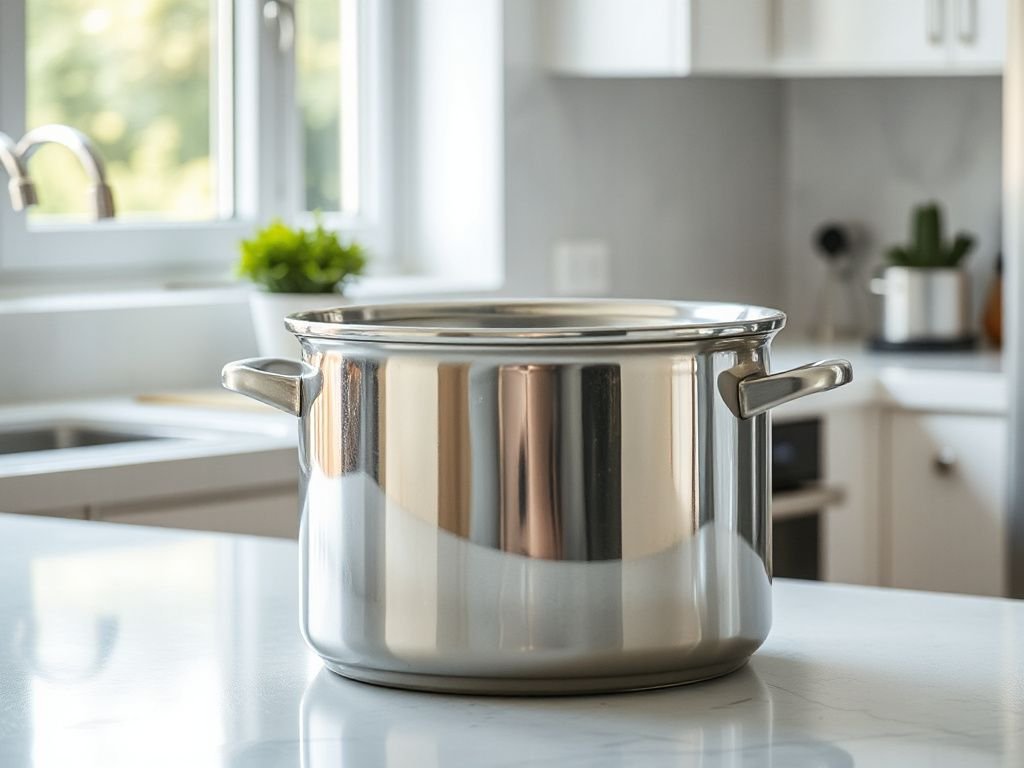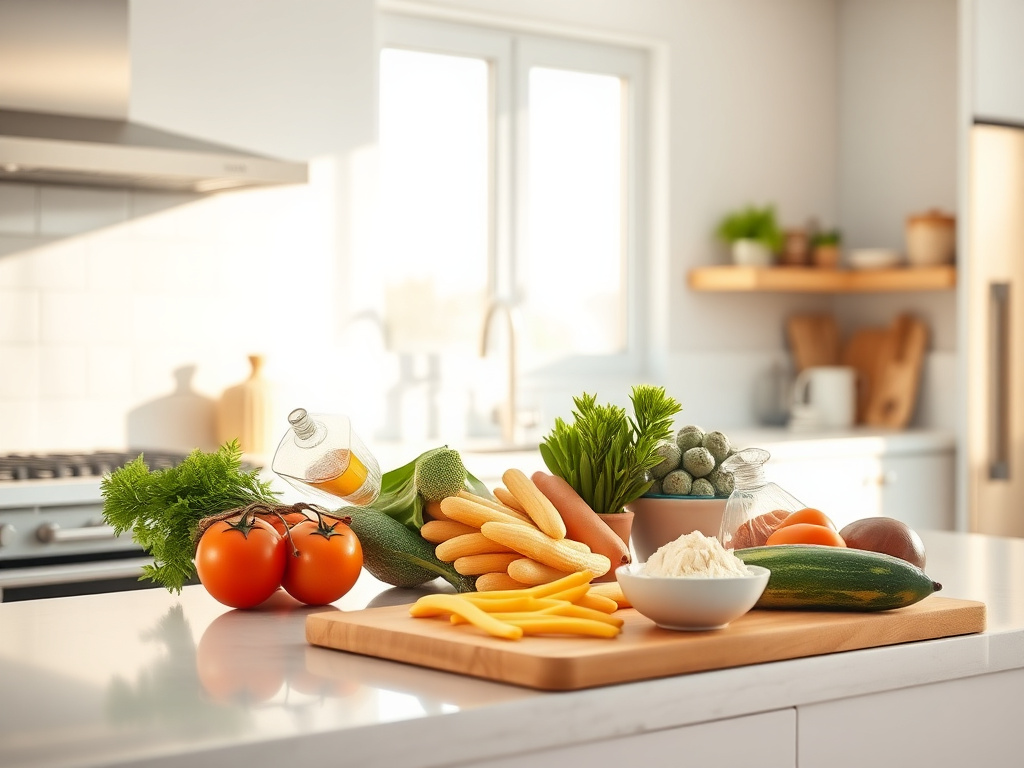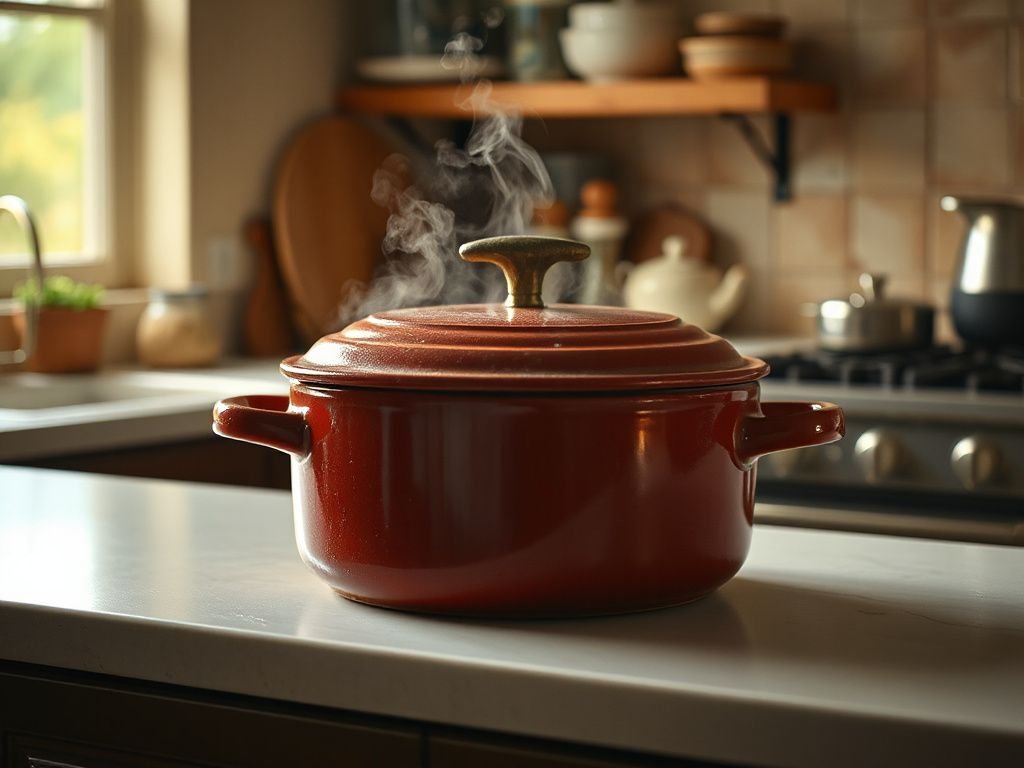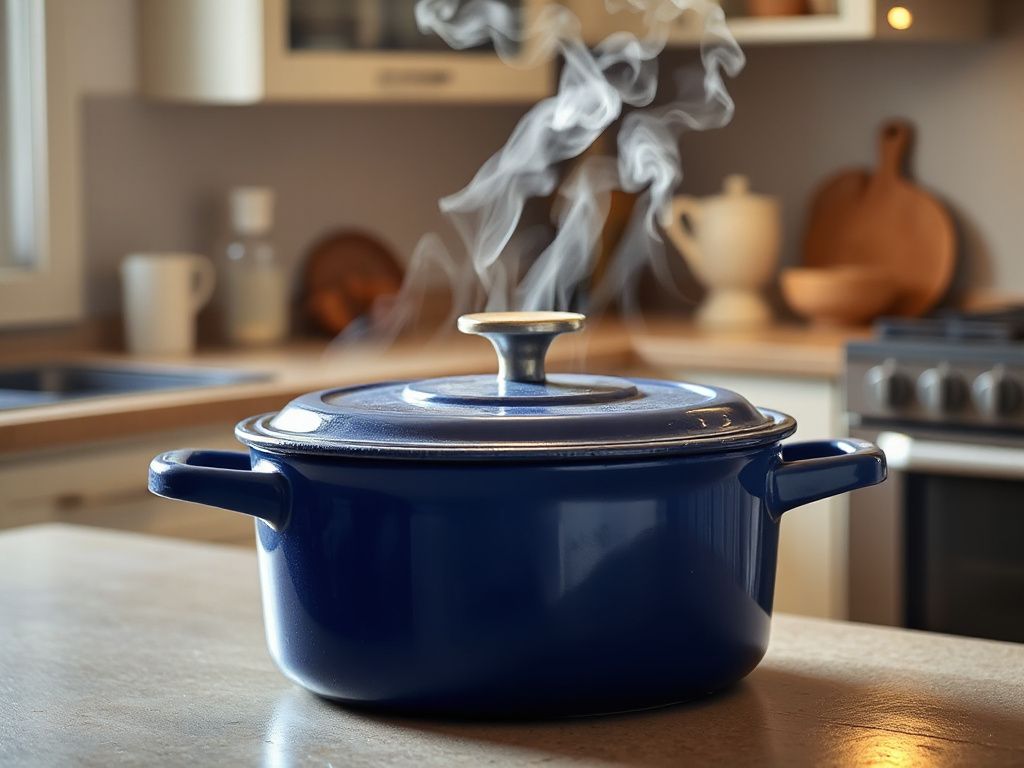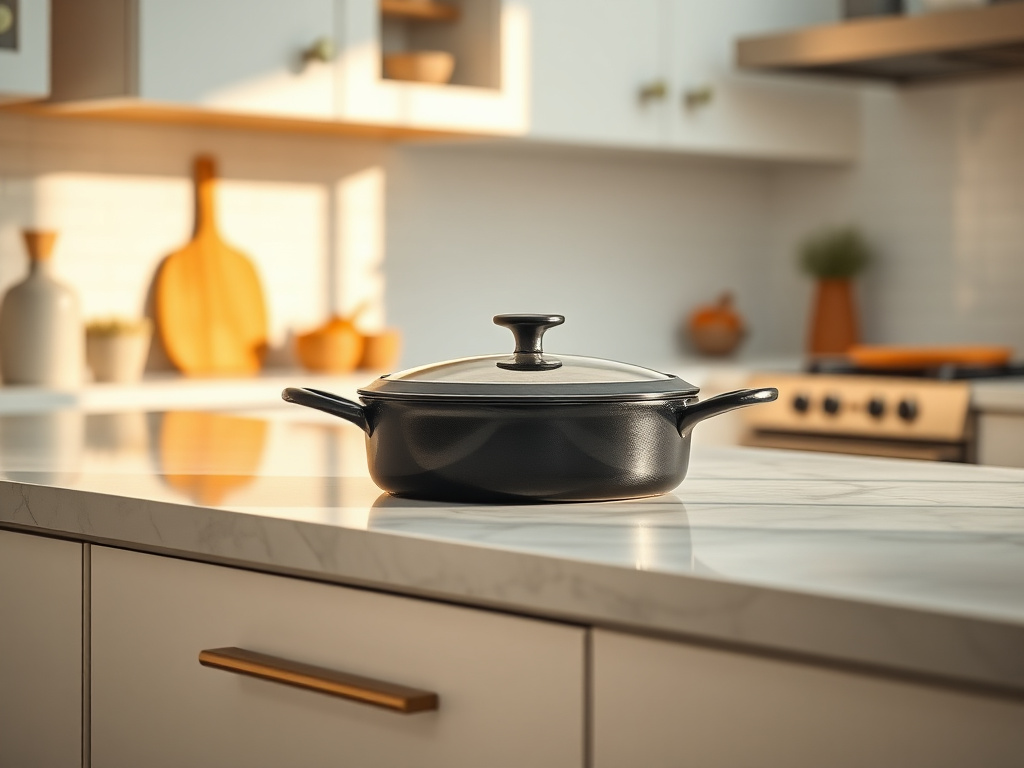
A quiet shift is happening in home kitchens. After years of chasing multi-ply stainless steel and nonstick coatings, cooks are circling back to a piece of cookware that hasn’t changed much in a century: the traditional, shallow round oven. Walk into any serious home cook’s kitchen and you’ll likely spot a low, wide Dutch oven—often enameled cast iron—sitting on the stove, ready for action. Most kitchen mistakes come from rushing rather than from any gap in skill. The extra 30 seconds to check your setup saves hours of cleanup or regret. That lesson never rings truer than when you haul out a heavy, shallow round oven for a long braise or a high-heat sear. Get the setup right, and this vessel will outperform nearly anything else in your arsenal.
Key Takeaways
- A traditional shallow round oven, often called a braiser, is a low-walled, wide cast-iron pot ideal for searing, braising, and baking.
- The wide cooking surface maximizes evaporation for better browning, while the heavy lid and tight seal trap moisture during slow cooking.
- Proper preheating over medium heat for 4–6 minutes prevents hot spots and warping, a non-negotiable step even on gas stoves.
- Enameled versions eliminate the need for seasoning, but bare cast iron rewards you with a naturally nonstick surface after a few cooks.
In this guide
- What Exactly Is a Traditional Shallow Round Oven?
- Why a Shallow Round Oven Belongs in Your Rotation
- Mastering Searing, Braising, and Baking in Your Shallow Round Oven
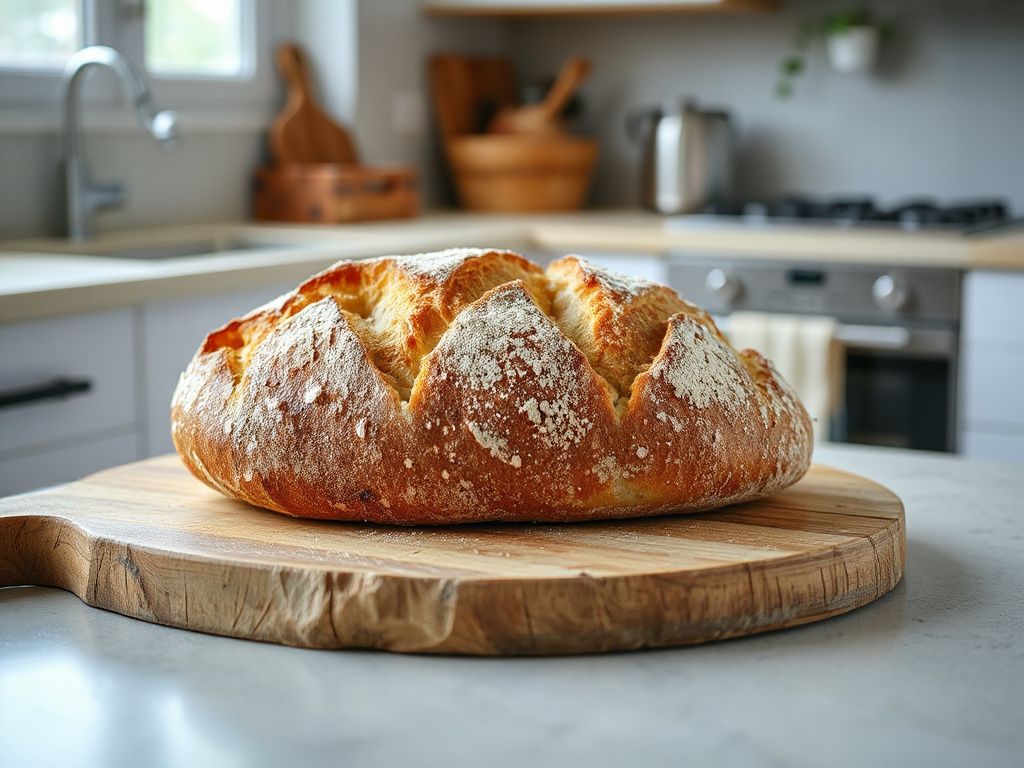
- Baking Bread That Rivals a Stone Oven
- Maintenance and Longevity: Making It Last Decades
- Pitfalls That Even Experienced Cooks Fall Into
- Storing Your Shallow Round Oven Without Damage
- Frequently Asked Questions
What Exactly Is a Traditional Shallow Round Oven?
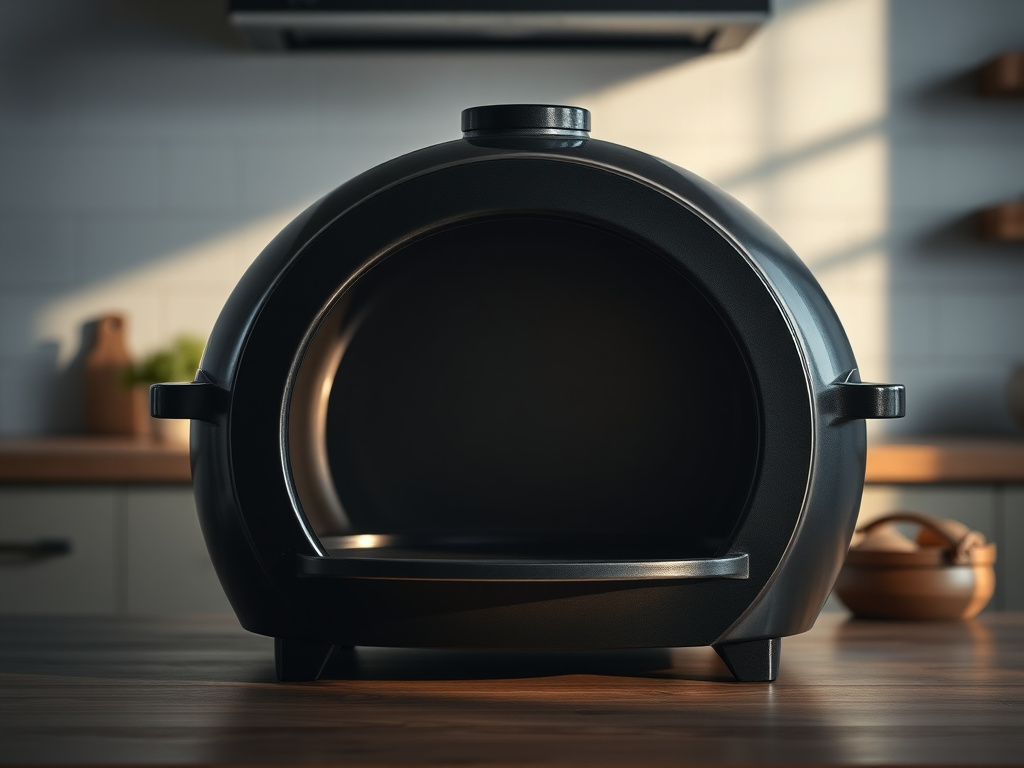
At its core, a traditional shallow round oven is a cast-iron pot with a wide diameter and relatively short sidewalls. The standard depth hovers around 2.5 to 3 inches, while the diameter can stretch from 10 to 14 inches across. This squat profile distinguishes it from the tall, narrow Dutch ovens most people picture for soup or deep frying. The generous cooking surface sits close to the heat source, and the heavy lid—usually self-basting with little nubs on the underside—keeps condensation dripping back onto the food.
These pots come in two main varieties: bare cast iron and enameled cast iron. Bare iron demands seasoning to ward off rust and build a slick patina, while enamel fuses glass to the iron so you can jump right into cooking acidic sauces without a second thought. Both versions share the same thermal mass. Once they get hot, they stay hot, making them perfect for browning meat, caramelizing onions, or finishing a casserole in the oven. If you’re exploring bakeware that excels at retaining heat, our guide on choosing the right cake pan touches on similar material benefits that apply here.
Why a Shallow Round Oven Belongs in Your Rotation
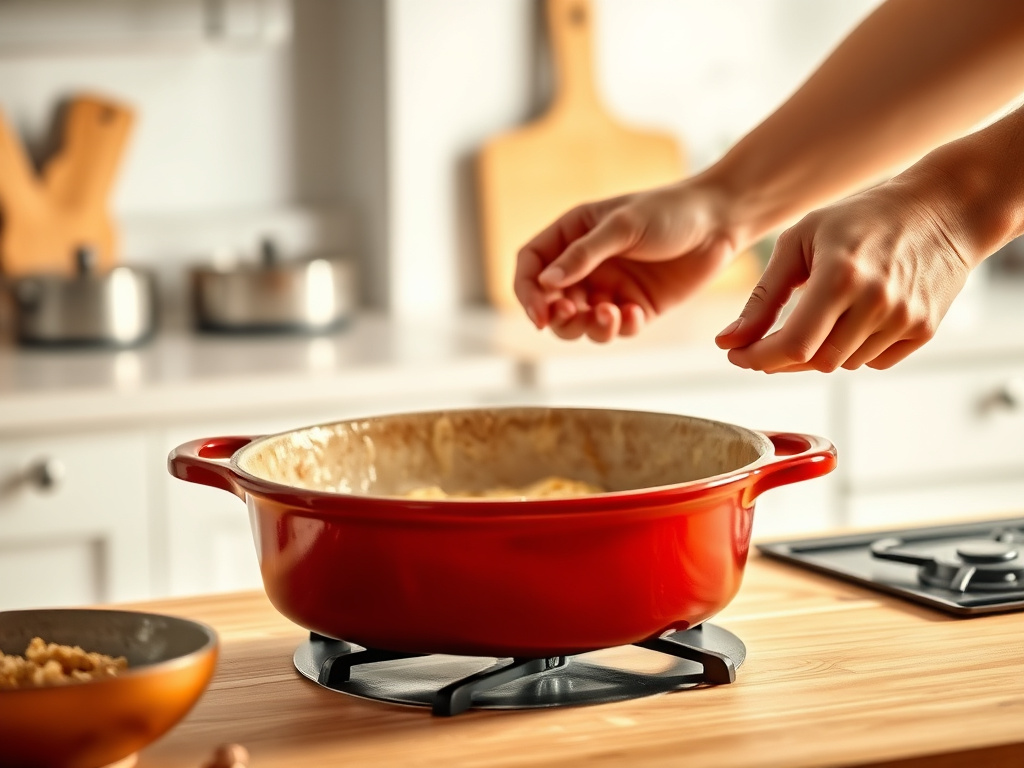
I judge cookware first by how evenly it transfers heat and second by how well it resists warping after repeated thermal shocks. Shallow round ovens, especially the enameled kind, pass both tests with flying colors. The heavy cast-iron base absorbs heat gradually and spreads it uniformly, meaning you don’t get that maddening ring of scorched fond right over the burner while the edges stay cold. On a gas stove, the wide footprint catches flames across the entire pan bottom, giving you a head start on crisp-skinned chicken thighs or a batch of golden potato wedges.
Superior Browning Through Evaporation Control
A tall pot traps too much steam, which can turn a sear into a soggy mess. Because the walls of a traditional shallow round oven sit just a few inches high, moisture escapes more readily. That dry environment lets meat surfaces hit the 300°F-plus mark needed for the Maillard reaction, while the heavy lid locks down moisture only when you decide it’s time to braise. With an oven that holds steady temperatures, you can dial in the perfect balance of browning and tenderness.
Braising Without the Guesswork
The geometry matters for liquids, too. Five pounds of bone-in short ribs nestle into the pan in a single snug layer, so the braising liquid comes only a third of the way up the meat. This exposes the top edges to oven heat, creating a crusty, caramelized exterior while the submerged portion turns fork-tender. You never have to double-stack chunks, which would steam the whole batch pale and flavorless.
Doubling as a Baking Pan
The same low profile that works for braises works wonders for rustic breads, focaccia, and even deep-dish quiches. The cast iron’s thermal mass mimics a stone oven floor, giving you a crisp, browned bottom crust. A well-designed pie baking pan shares that heat-retaining DNA, but a shallow round oven goes a step further by enclosing the bake with a lid for the first half of cooking, creating a steamy chamber that encourages oven spring.
Mastering Searing, Braising, and Baking in Your Shallow Round Oven
After a decade on the line, I treat every piece of cookware with the same no-mercy test: sear proteins hard, deglaze aggressively, then subject it to hours of oven time. A traditional shallow round oven handles all three, but the technique has to match the material. Here’s the workflow I rely on.
1. Preheat with Precision
Place the dry pot over a burner set to medium. On an induction cooktop, use power level 5 or 6. Wait until a bead of water flicked into the pan skitters and sizzles—that tells you the metal has hit roughly 320–350°F. Drizzle in a high-smoke-point oil like avocado or grapeseed. Swirl to coat, then let the oil shimmer for 10 seconds before adding your protein. Do not crowd the pan. Leave at least an inch between pieces so steam can escape; overlapping food traps moisture and kills browning.
2. Build the Fond, Then Deglaze
Let the meat sit untouched for 3–4 minutes per side. Force yourself not to poke. When a spatula lifts it easily, flip. After searing all pieces, remove them to a plate and drop the heat to medium-low. Toss in diced aromatics—onion, carrot, celery—and stir for 2 minutes. The moisture they release will start dissolving the browned bits stuck to the pan. A splash of wine, broth, or even water finishes the job. Scrape vigorously with a wooden spoon; you want every speck of fond in the final sauce.
3. Braise Low and Slow
Return the meat to the pot, pour in enough liquid to come halfway up the sides, and bring everything to a gentle simmer on the stove. Cover with the heavy lid and transfer the whole vessel to a 300–325°F oven. The even heat from all sides prevents scorching on the bottom and lets collagen break down into gelatin over 2–3 hours. Check for doneness when a knife slides in with zero resistance.
4. Finish with the Lid Off
In the last 15–20 minutes, remove the lid to reduce the sauce to a glossy coating and re-crisp any exposed protein surfaces. If your recipe calls for a crust—grated cheese, breadcrumbs, or a pastry top—now is the time to add it and crank the oven to 400°F for a quick blast.
Baking Bread That Rivals a Stone Oven
Home bakers have caught on to the shallow round oven as a no-knead bread vessel. The pot’s thick walls store a tremendous amount of energy, so when you slide a dough ball into a screaming-hot 450°F oven, the initial heat surge gives the loaf maximum oven spring. Place the pot and lid in the cold oven, then set the temperature and let everything preheat together for at least 45 minutes. Once the dough goes in, cover it immediately. The trapped steam gelatinizes the starches on the loaf’s surface, yielding a crackling, blistered crust. Remove the lid after 25 minutes to let the crust brown deeply.
Maintenance and Longevity: Making It Last Decades
Most kitchen mistakes come from rushing cleanup as much as rushing the cook. Expensive enameled surfaces are most often ruined by exactly this: a hot pan plunged into cold water. The thermal shock can crack the glass coating like a windshield. Always let the pot cool on the stovetop for at least 30 minutes before washing.
Cleaning Enameled Cast Iron
Stubborn stuck-on spots surrender to a 15-minute soak in warm water with a dab of baking soda. Then scrub with a non-scratch nylon brush or a Dobie pad. Never use steel wool or abrasive cleansers—they dull the glossy finish and create micro-scratches where food will grab. For baked-on carbon rings on the outside, a paste of Bar Keepers Friend and a damp sponge restores the shine without harming the surface.
Seasoning Bare Cast Iron
If you’ve gone with a raw iron shallow round oven, after each wash, dry it immediately over low heat. While warm, rub a few drops of flaxseed or grapeseed oil into the entire interior with a paper towel. You want a film so thin the surface looks dry. Heat on medium until the oil just starts to smoke, then kill the burner and let the pot cool in place. After five or six cycles, you’ll have a slick, near-nonstick coating that rivals any modern pan.
Pitfalls That Even Experienced Cooks Fall Into
A friend once melted a silicone spatula onto the rim of my braiser because he left it resting against the edge while the pot sat on a lit burner. Silicone can handle up to 500°F in theory, but direct contact with cast iron that’s climbing past 600°F turns it to goo. Keep utensils off the hot rim.
Another trap: washing with dish soap on bare iron. A well-seasoned surface shrugs off a little mild soap, but frequent scrubbing with detergent will strip the patina. I stick to hot water and a stiff brush 99% of the time. If something really sticks, a paste of coarse salt and a splash of water becomes a gentle abrasive that doesn’t harm the seasoning.
Storing Your Shallow Round Oven Without Damage
Nesting pots inside each other risks chipping the enamel. Place a folded kitchen towel or a felt pan protector between stacked pieces. If you hang the pot by a loop or handle, check that the hook supports the full weight—some wall-mounted racks can bend under the load of a 12-pound braiser. Store the lid upside down on the pot with a paper towel separating the rim from the lid’s interior to allow air circulation and prevent stale odors.
Frequently Asked Questions
What can you cook in a traditional shallow round oven?
Virtually anything that benefits from even, steady heat. Sear steaks, braise short ribs, slow-cook tomato sauces, bake cornbread, or roast vegetables. The wide surface makes it excellent for dishes where you want a caramelized crust on each piece, like chicken cacciatore or pork chops with apples.
Is a shallow round oven the same as a braiser?
Yes, the terms are interchangeable. Manufacturers label these pots as braisers, everyday pans, or round casseroles. The defining features remain consistent: wide cooking area, low straight or slightly flared walls, and a heavy tight-fitting lid.
Do I need to season an enameled shallow round oven?
No. The glass coating seals the iron completely, so rust cannot form and food won’t bond to the surface if you use proper heat and cooking oil. Avoid abrasive tools that scratch the enamel, and never dry-heat an empty enameled pot above medium for more than 5 minutes to prevent thermal crazing.
Why does my food stick to the bottom during searing?
Sticking usually happens because the pan wasn’t hot enough when you added the food, you flipped too early, or you crowded the surface. When the metal is properly preheated and the oil is shimmering, protein naturally releases after it forms a crust. Wait until the meat lifts with minimal resistance before turning.
Can I use a traditional shallow round oven on an induction cooktop?
Absolutely—provided the pot has a flat, magnetic base. Both bare cast iron and enameled cast iron work on induction. Keep power levels at medium to medium-high because cast iron’s mass retains so much energy that full power can overshoot and scorch food quickly.