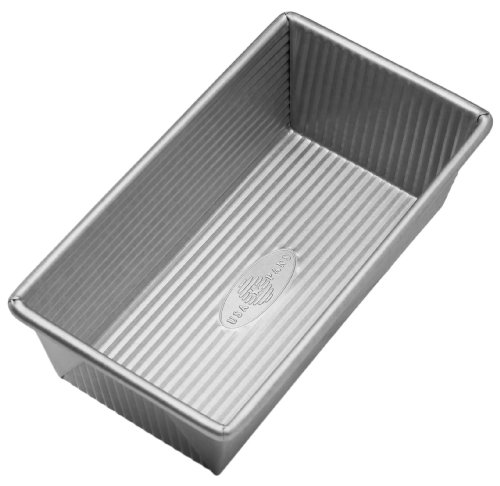


Most home bakers think any loaf pan will do for a standard pound cake or quick bread. Cheap pans buckle under high heat because thin, soft metal expands unevenly and has no stiffness to fall back on, and a base that has gone convex leaves you with a lopsided loaf and a mess to scrub. Most kitchen mistakes of that kind come from rushing. The extra 30 seconds to check your setup saves hours of cleanup or regret. The same principle applies when you’re choosing a 2lb loaf pan — it’s not just any pan, it’s a tool that must withstand repeated thermal cycles without warping.
Key Takeaways
- A 2lb loaf pan typically measures 9x5x3 inches — but not all are created equal. Look for a pan with at least 1.5mm thickness for even heat distribution.
- Material matters most: heavy-gauge aluminized steel or anodized aluminum outperform thin stainless or nonstick-coated options under high heat.
- Proper preheating and greasing prevent sticking and warping. Always bring your pan to room temperature before adding batter.
- Care extends lifespan: hand-wash with mild soap, avoid abrasive scrubbers, and never use metal utensils on nonstick surfaces.
Why a 2lb Loaf Pan Is Different From Standard Pans
Most loaf pans sold in supermarkets are 8.5×4.5×2.5 inches, which holds about 1.5 pounds of batter. A true 2lb loaf pan is larger — typically 9x5x3 inches — and holds two full pounds of batter. That extra half-inch of depth changes everything: more batter means longer bake times, higher thermal stress, and a greater risk of the center remaining raw while the edges burn.
From a professional standpoint, the volume difference is critical. A standard 1.5lb pan bakes a loaf that’s fine for a family dessert. But if you’re making a dense banana bread or a moist chocolate pound cake for a crowd, a 2lb pan gives you the capacity without overflow. Forcing 2 pounds of batter into a 1.5lb pan is the usual way this goes wrong: the surplus has nowhere to rise but over the sides, where it drips onto the oven floor and smokes.
Material Construction: What Holds Up Under Heat
Not all metal is created equal. In a commercial kitchen, pans get used daily at 350°F to 425°F. Thin aluminum (under 1mm) warps after a few cycles, creating hot spots that burn your loaf’s corners. I recommend looking for heavy-gauge aluminized steel or anodized aluminum — these materials distribute heat evenly and resist warping even at high temperatures.
Nonstick coatings are convenient but fragile. If you bake frequently, a bare metal pan seasoned with oil or butter performs better and lasts longer. If you do choose nonstick, avoid metal utensils and never use cooking spray — the lecithin in spray builds up and creates a sticky residue that ruins the coating.
Heat Distribution and Warping Resistance
When you place a cold pan into a hot oven, the metal expands rapidly. Thin pans expand unevenly, causing the bottom to bow and the sides to buckle. This is why your loaf might have a sunken center or a domed top that cracks. A quality 2lb loaf pan made from 1.5mm or thicker steel will expand uniformly, maintaining a flat bottom and straight sides.
The gap between budget pans and professional lines is mostly a gap in gauge — the thickness of the metal and the amount of heat it can store. The difference is night and day. A heavy pan preheated empty for 10 minutes at 350°F will hold temperature steady. A thin pan will fluctuate 20°F when you add cold batter, leading to uneven rise. If you’re serious about consistent results, invest in a pan that doesn’t flex when you press on the sides.

How to Choose the Right 2lb Loaf Pan for Your Baking Style
Your choice depends on what you bake most. If you’re a weekend baker making banana bread or lemon loaf, a medium-gauge anodized aluminum pan works well. If you bake multiple loaves per week for farmers markets or family gatherings, go with a professional-grade aluminized steel pan that can handle daily use.
Aluminized Steel: The Professional’s Choice
Aluminized steel combines the heat conductivity of aluminum with the strength of steel. It won’t warp, it heats evenly, and it’s durable enough for commercial ovens. The downside is weight — these pans are heavy, but that heft translates to stability. A typical 2lb aluminized steel pan weighs about 1.5 pounds empty. If you’re making a dense loaf, that weight helps the pan hold its shape.
Anodized Aluminum: Lightweight and Even
Anodized aluminum undergoes an electrochemical process that hardens the surface, making it non-reactive and scratch-resistant. It heats faster than steel, which is great for quick breads that bake at lower temperatures (325°F to 350°F). However, it can still warp if you use high heat (above 400°F) repeatedly. Stick to recipes that call for moderate oven temps.
Silicone and Glass: Avoid for High-Heat Baking
Silicone pans are flexible and nonstick, but they don’t conduct heat well. Your loaf will take longer to bake, and the exterior may be pale. Glass pans (like Pyrex) are fine for low-temperature baking, but thermal shock can shatter them if you place a cold glass pan into a hot oven. For a 2lb loaf pan, stick with metal for best results.
Baking Techniques for Perfect Loaves Every Time
Even the best pan won’t save a poorly prepared batter. Here’s how to set yourself up for success.
Greasing and Flour Dusting
Use a pastry brush to apply a thin, even layer of softened butter (not melted) all over the inside of the pan. Then add a tablespoon of flour, tilt and tap the pan to coat every surface, and tap out the excess. This creates a barrier that prevents sticking without leaving greasy spots. For chocolate or dark batters, use cocoa powder instead of flour to avoid white streaks.
Preheating the Pan
Some bakers swear by preheating the empty pan in the oven for 5 to 10 minutes before adding batter. This helps the batter start rising immediately, giving you a taller, more even loaf. But be careful: if you preheat the pan, remove it with oven mitts, place it on a heat-safe surface, and pour batter in quickly. The pan will be hot, so work fast.
Filling and Leveling
Fill your 2lb loaf pan no more than two-thirds full. For a standard 2-pound batter, that’s about 6 cups. Use a spatula to spread the batter evenly, and tap the pan gently on the counter to release air bubbles. If your batter is very thick (like a fruit-heavy banana bread), use a rubber spatula to push it into the corners.
How to Care for Your 2lb Loaf Pan
Proper maintenance extends the life of any bakeware. Here’s what I recommend based on years of daily use.
Cleaning After Each Use
Allow the pan to cool completely before washing. Hot metal plunged into cold water warps instantly. Hand-wash with warm water and mild dish soap, using a soft sponge. Avoid steel wool or abrasive pads — they scratch the surface and create spots where batter sticks later. For stubborn residue, soak the pan in hot soapy water for 15 minutes, then scrub gently.
Storage and Stacking
Store your pan in a dry place. If you stack multiple pans, place a paper towel or a piece of felt between them to prevent scratching. For nonstick pans, never stack anything on top — the weight can dent the coating. Hang your pan if possible, or store it flat with nothing on top.
When to Replace
If you notice warping — the pan rocks on a flat surface — it’s time to replace it. A warped pan will never bake evenly. Also replace if the nonstick coating is peeling or if the metal shows signs of rust. Rust can be removed with a vinegar soak, but if it’s deep, the pan is compromised.
Frequently Asked Questions
What size is a 2lb loaf pan?
A standard 2lb loaf pan measures approximately 9 inches long, 5 inches wide, and 3 inches deep. This interior volume holds about 6 cups of batter. Always check the manufacturer’s specifications, as slight variations exist — some are 9.25×5.25×2.75 inches. Measure your pan’s interior to confirm it matches your recipe’s volume.
Can I use a 2lb loaf pan for a 1.5lb recipe?
Yes, but you’ll need to adjust baking time. A 1.5-pound batter in a 2lb pan will spread thinner, so it bakes faster. Reduce the oven temperature by 25°F and start checking for doneness 10 minutes earlier than the recipe states. Use a skewer or toothpick to test the center.
What’s the best material for a 2lb loaf pan?
For durability and even heating, heavy-gauge aluminized steel is the best choice. It resists warping at high temperatures and distributes heat uniformly. Anodized aluminum is a good second option for moderate-temperature baking. Avoid thin stainless steel or lightweight aluminum — they heat unevenly and warp easily.
How do I prevent my loaf from sticking to the pan?
Grease the pan thoroughly with butter or shortening, then dust with flour or cocoa powder. For extra insurance, line the pan with parchment paper, leaving overhang on the two long sides to lift the loaf out after baking. Allow the loaf to cool in the pan for 10 minutes before turning it out onto a wire rack.
Can I use a 2lb loaf pan for non-bread recipes?
Absolutely. A 2lb loaf pan is excellent for meatloaf, terrines, pâtés, and even layered desserts like ice cream cakes. For savory dishes, skip the greasing and line with plastic wrap or foil for easy removal. Just ensure the pan is oven-safe to the temperature your recipe requires.