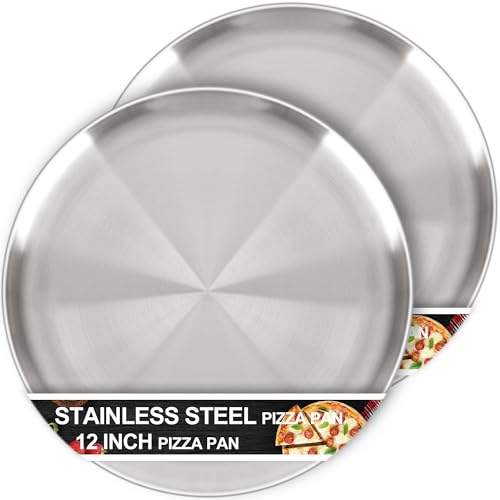


Lately, more home bakers are reaching for smaller pans — not just for mini pies, but for personal quiches, tarts, and even savory hand pies. It makes sense. A standard 9-inch pie is a lot of dessert for one or two people, and a 6 pie pan hits that sweet spot of being just right for a single serving or a small family meal. Kitchen products that last are never the flashiest — they’re the simplest, heaviest, and most boring-looking tools in the drawer. That principle holds especially true for a 6-inch pie pan, where material and construction matter far more than fancy coatings.
Key Takeaways
- Choose a pan made from heavy-gauge metal or ceramic for even heat distribution and consistent browning.
- Measure your pan’s top diameter and depth — many 6-inch pans are actually smaller than advertised.
- Seasoned cast iron or carbon steel pans develop natural non-stick properties over time, while enameled surfaces release cleanly from the start.
- Proper storage and hand washing extend the life of any pie pan, regardless of material.
Why Size Accuracy Matters in a 6 Pie Pan
One of the first things I check when I get a new pan is whether it actually measures 6 inches across the top. You’d be surprised how many pans labeled “6-inch” come in at 5.75 or even 5.5 inches. That quarter-inch difference might not sound like much, but it changes the volume of your crust and filling by about 15 percent. If you’re following a recipe written for a true 6-inch pan, using an undersized pan can lead to overflow, undercooked centers, or a crust that’s too thick.
I recommend measuring the top rim with a ruler before your first bake. Also check the depth. A standard 6-inch pan should be about 1.25 to 1.5 inches deep. Deeper pans work better for double-crust fruit pies, while shallower pans are ideal for tarts and quiches. Knowing these dimensions helps you adjust baking times and filling amounts accurately.
How to Measure Your Pan Properly
Place the pan upside down on a flat surface. Measure from one outer edge to the opposite outer edge across the center. That’s your top diameter. For depth, place a ruler vertically inside the pan and measure from the bottom to the rim. Write these numbers down and keep them with your recipe notes — especially if you bake by weight rather than volume.
Material Matters: What Works Best for a 6-Inch Pan
The material of your 6 pie pan directly affects how evenly it heats, how well it releases baked goods, and how long it lasts. Aluminum, steel, glass, ceramic and cast iron each carry a different trade-off between how fast they take on heat, how much of it they hold, and how cleanly a crust releases from them.
Aluminum and Steel Pans
Lightweight aluminum pans heat up quickly but can cool down fast when you add cold filling. This can cause the bottom crust to shrink or become soggy. Thicker, heavy-gauge aluminum or anodized aluminum distributes heat more evenly and resists warping. Steel pans, especially those with a tin or silicone coating, offer better heat retention but require careful handling to avoid scratching. I prefer pans that are at least 1.5 mm thick — anything thinner tends to buckle under high heat.
Glass and Ceramic Pans
Glass pans let you see the crust browning, which is helpful for beginners. But glass is a poor conductor of heat, so it takes longer to preheat and can lead to uneven browning — the edges may brown before the center is done. Ceramic pans, especially stoneware, hold heat well and produce a beautifully even golden crust. However, they are heavy and can crack if you place them directly from the fridge into a hot oven. Always let a ceramic 6-inch pan come to room temperature before baking.
Cast Iron and Carbon Steel
Cast iron mini pie pans are my personal favorite for fruit pies. They retain heat like a champion, giving you a deep, caramelized crust that’s crunchy on the bottom and tender inside. The downside is weight — a 6-inch cast iron pan can weigh nearly a pound. Carbon steel is lighter but requires seasoning to build a non-stick surface. Both materials need to be dried immediately after washing to prevent rust.
Baking Techniques for Perfect Results Every Time
Getting a great pie from a 6-inch pan isn’t just about the pan — it’s about how you use it. Here are the steps I follow for consistent, bakery-quality results.
Step 1: Preheat the Pan
For metal and cast iron pans, place the empty pan in the oven while it preheats. This gives the pan time to come up to temperature, so when you add the chilled dough, it starts cooking immediately. This step prevents the bottom crust from becoming greasy or soggy. For glass and ceramic, skip this step — preheating them empty can cause thermal shock.
Step 2: Chill the Dough and Pan
After lining the pan with your dough, chill the whole assembly in the fridge for at least 15 minutes. This firms up the butter and relaxes the gluten, which reduces shrinkage during baking. If you’re using a metal or cast iron pan, you can even pop it in the freezer for 10 minutes before adding the filling.
Step 3: Blind Bake When Needed
For custard pies or quiches, blind baking the crust is essential. Line the dough with parchment paper and fill with pie weights or dried beans. Bake at 375°F for 12 minutes, then remove the weights and bake another 5 minutes until the bottom looks dry. This prevents a soft, doughy bottom.
Step 4: Adjust Your Oven Rack
Place the 6-inch pan on the lower third of the oven, closer to the heating element. This directs more heat to the bottom crust, helping it brown fully before the filling sets. For glass or ceramic pans, I recommend placing a baking sheet on the rack below to catch any drips and protect the pan from direct heat.
Caring for Your 6 Pie Pan
How you clean and store your pan directly affects how well it performs over time. Dishwasher detergent and stacked storage can ruin perfectly good pans.
Hand Washing Is Best
Even if the label says dishwasher safe, hand wash your 6-inch pan with warm water and mild dish soap. The high heat and harsh detergents in dishwashers can strip seasoning from cast iron, dull the finish on anodized aluminum, and cause glass to develop micro-cracks. Use a soft sponge — never steel wool or abrasive scrubbers.
Drying and Seasoning
After washing, dry the pan immediately with a clean towel. For cast iron and carbon steel, place the pan on a low burner for a minute to evaporate any remaining moisture, then rub a thin layer of vegetable oil over the surface. This maintains the seasoning and prevents rust. For aluminum and glass, just dry them thoroughly and store them in a dry cabinet.
Storage Tips
Stacking pans directly on top of each other can scratch non-stick surfaces and chip ceramic coatings. Place a paper towel or a felt pad between each pan. If you have limited space, hang your 6-inch pan on a wall rack — it saves room and keeps the surface pristine.
Frequently Asked Questions
Can I use a 6-inch pie pan for a full-size pie recipe?
No, a standard 9-inch pie recipe will overflow in a 6-inch pan. You’ll need to scale down the filling by about half. A good rule of thumb: use 1.5 cups of fruit filling and 0.5 cup of sweetener for a 6-inch pie. For custard, use about 1 cup of liquid filling. Always leave at least 1/4 inch of headspace to prevent bubbling over.
Why does my crust stick to the pan every time?
Sticking usually happens because the pan isn’t greased properly or the dough is too wet. Butter the pan generously, including the sides and fluted edges, then dust with flour. For extra insurance, line the bottom with a circle of parchment paper. If you’re using a non-stick pan, check that the coating isn’t worn — after about two years of regular use, it may need replacing.
How do I know when my 6-inch pie is fully baked?
The crust should be deep golden brown, and the filling should be bubbling at the edges. Insert an instant-read thermometer into the center of the filling — it should read at least 200°F for fruit pies and 170°F for custard pies. Let the pie cool on a wire rack for at least 20 minutes before slicing to allow the filling to set.
Can I use a 6-inch pan for savory dishes like pot pie?
Absolutely. A 6-inch pan is perfect for individual chicken pot pies, shepherd’s pie, or even small lasagnas. Just be aware that savory fillings often contain more moisture, so you may need to blind bake the bottom crust first to prevent sogginess. I also recommend using a pan with a slightly deeper profile for these dishes.
What’s the best way to remove a pie from a 6-inch pan without breaking it?
Let the pie cool completely — at least 1 hour. Run a thin spatula around the edge to loosen the crust. Place a plate upside down on top of the pan, then carefully flip the pan over. The pie should release cleanly. If it sticks, warm the bottom of the pan gently over a low flame for 10 seconds to melt any stuck butter or sugar.