Author: admin@easycookingways.com

  • Coconut Banana Bread with Lime Glaze Recipe

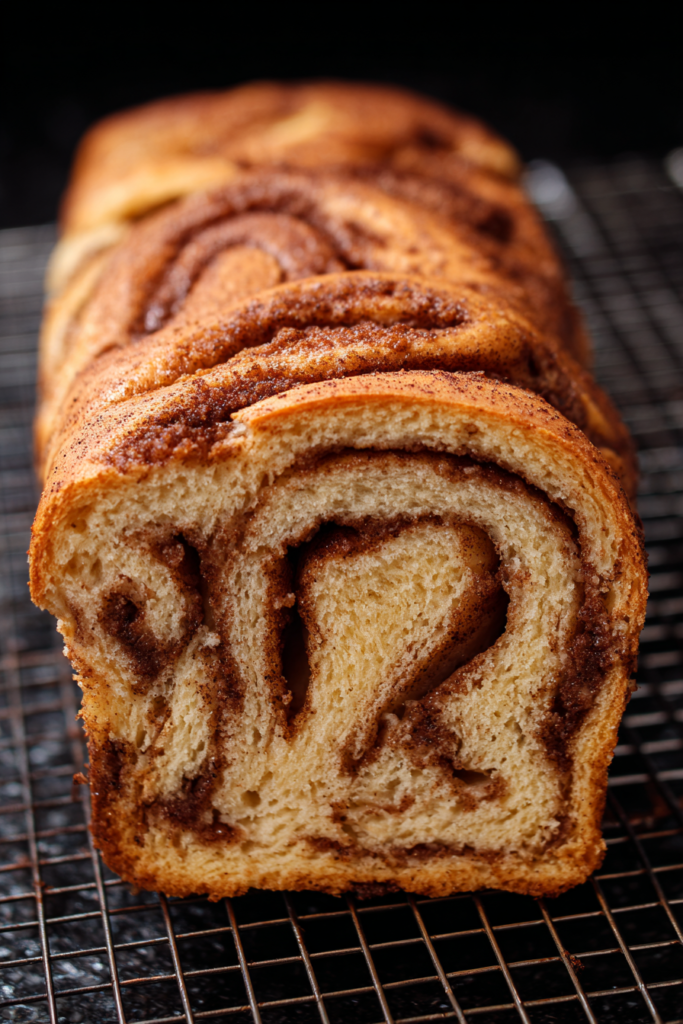
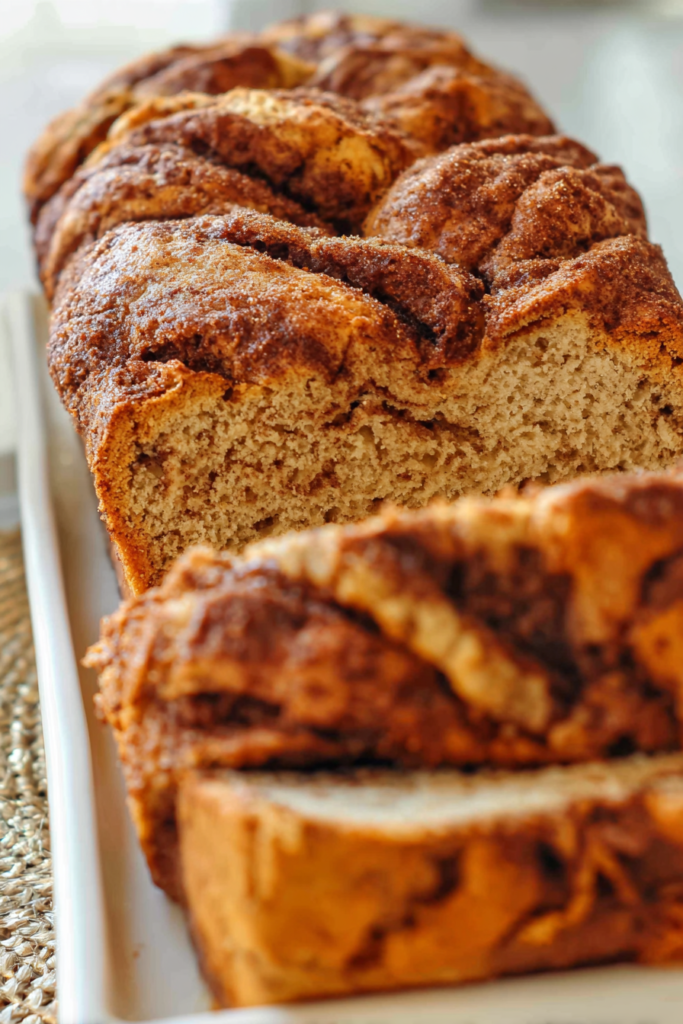
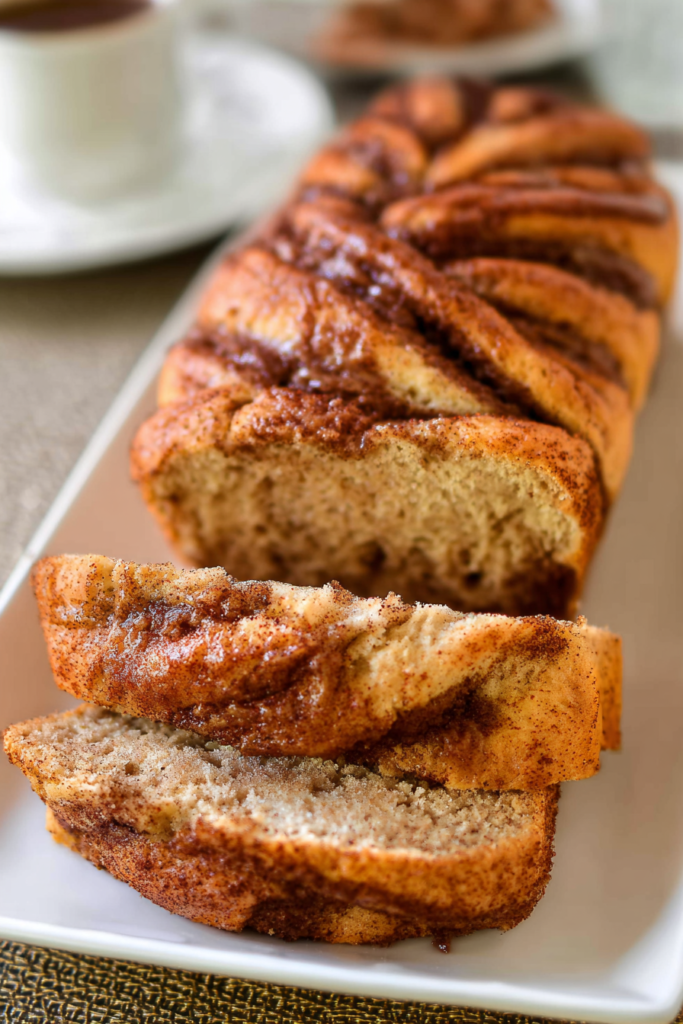
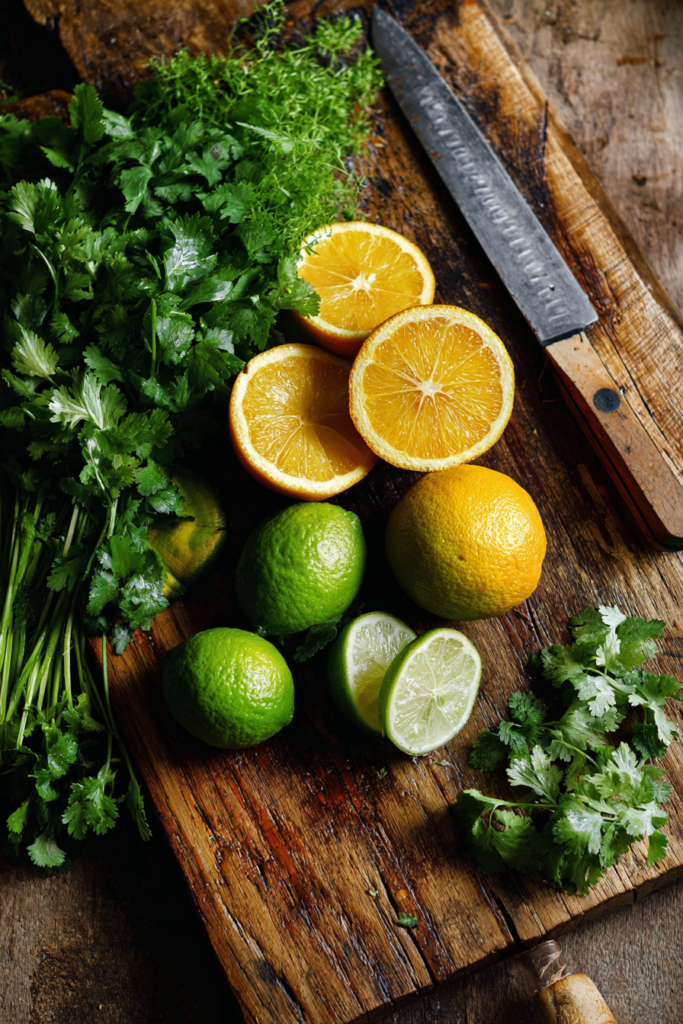
    Coconut Banana Bread with Lime Glaze Recipe

    The first time I told my family I was putting coconut and lime in banana bread, they gave me that look. You know the one. The “are you sure about this?” look.

    But here’s the thing.

    One bite and they were hooked. The sweet, soft banana bread meets this amazing tropical vibe from the coconut. Then the lime glaze hits you with that bright, zesty kick. It’s honestly one of those flavor combos that just works.

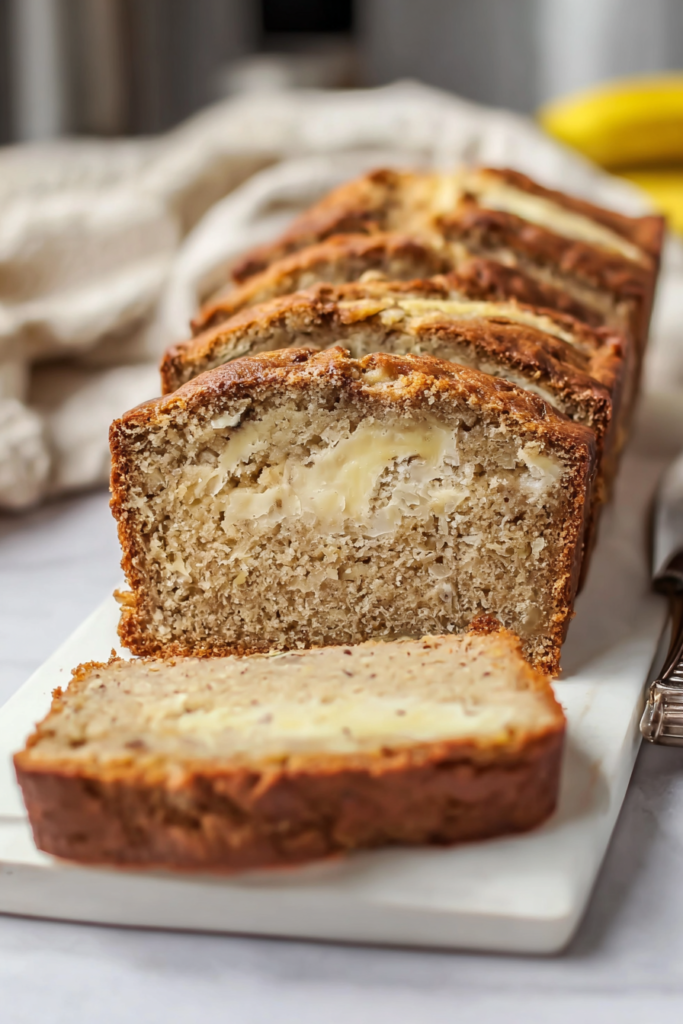
    I’ve been making regular banana bread for years. Love it. But this version? It takes everything great about classic banana bread and adds a little excitement. The crumb stays super soft and moist. Little bits of coconut are tucked throughout. The top gets this beautiful golden coconut crust. And that lime glaze? It’s the perfect finishing touch.

    The best part is how simple this is to make.

    No fancy equipment needed. No weird ingredients you’ll use once and never again. Just stuff you probably already have sitting around. I promise, even if you’re new to baking, you can nail this recipe.
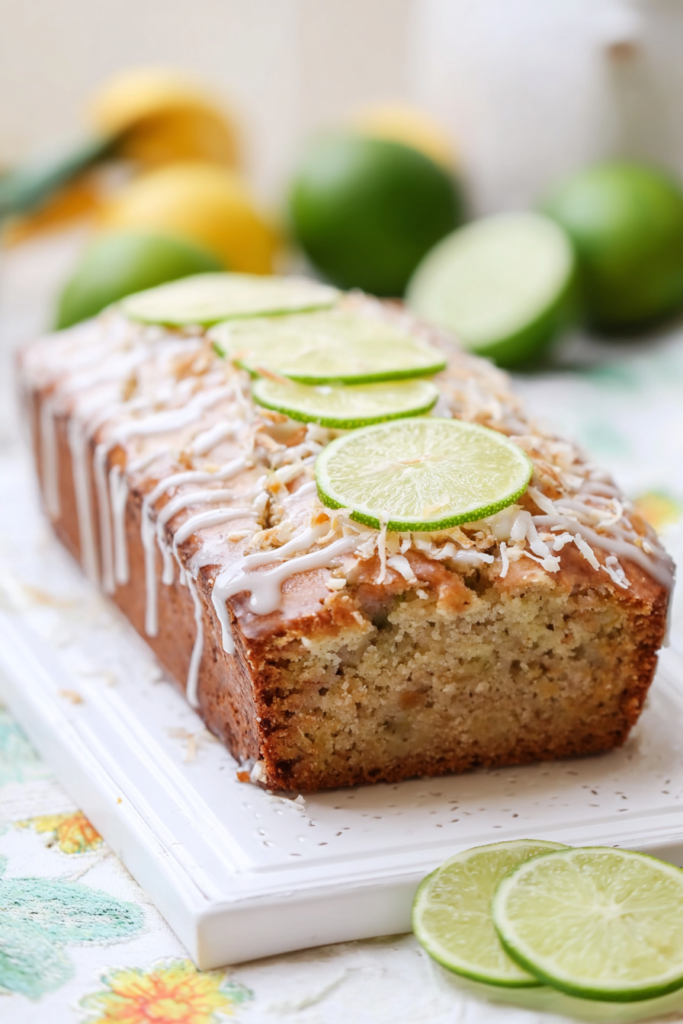
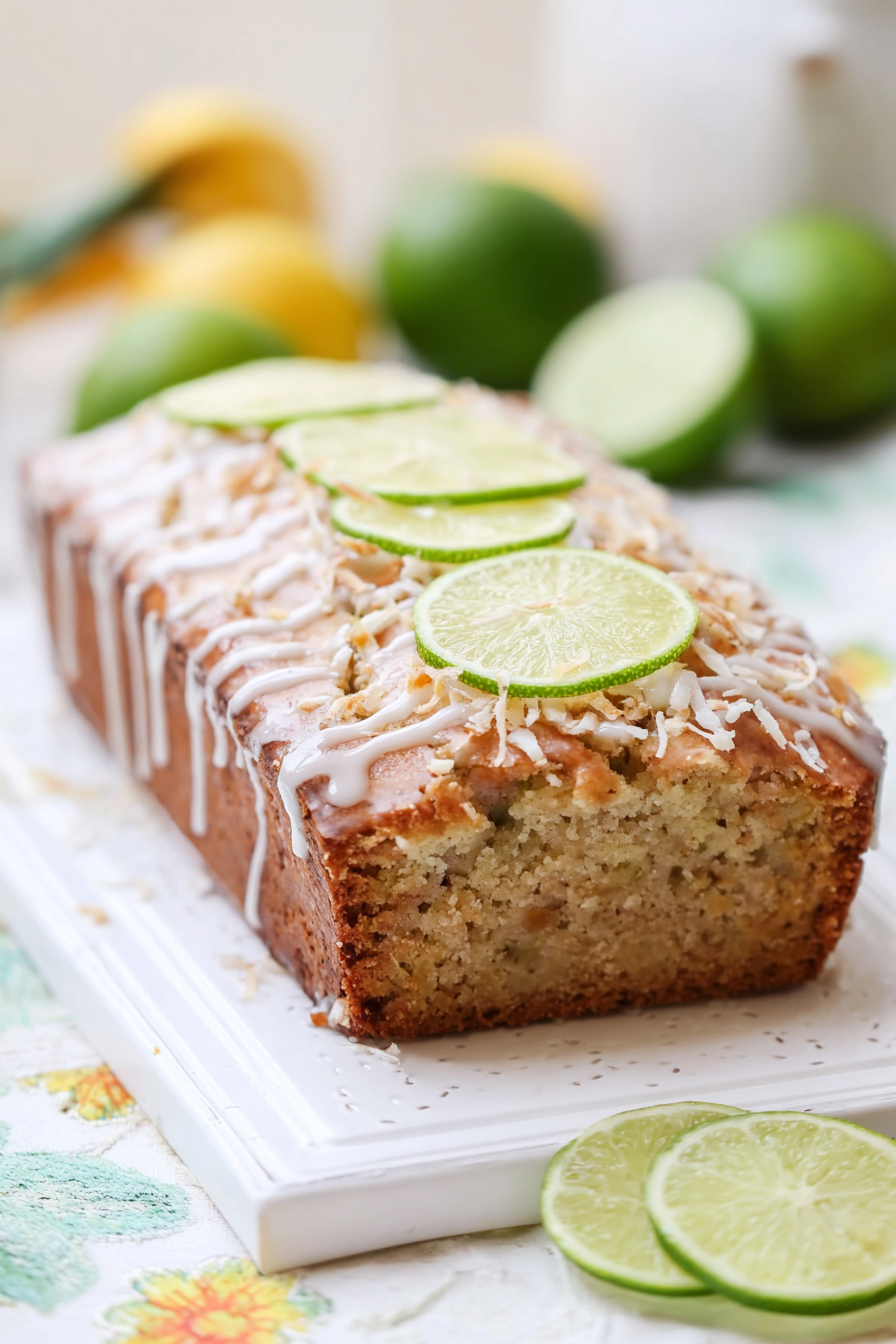
    Coconut Banana Bread with Lime Glaze

    Let me tell you why this combo works so well.

    Overripe bananas bring all that natural sweetness and moisture. The coconut adds a tropical twist and gives you these little chewy bits. Fresh lime zest and juice? That’s what cuts through all the richness and makes everything pop.

    I make this for weekend brunch all the time. It disappears in minutes at potlucks. People always ask for the recipe. And honestly, my kitchen smells incredible while it’s baking. That alone is worth it.

    Prep Time: 20 minutes | Cook Time: 60 minutes | Total Time: 1 hour 20 minutes
    Servings: 12 slices | Difficulty: Easy

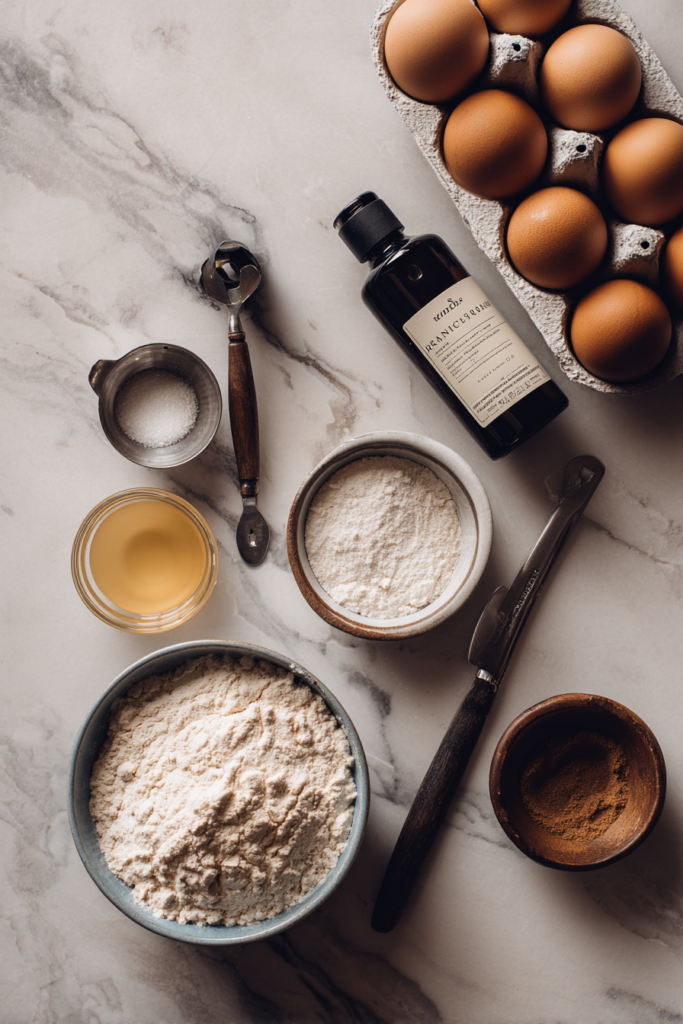
    What You’ll Need

    Let me break down everything you need. Getting your ingredients ready before you start makes the whole thing go smoother.

    IngredientQuantityNotes
    All-purpose flour2 cupsSpoon it in, level it off
    Baking soda¾ teaspoonThis makes it rise
    Salt½ teaspoonBrings out all the flavors
    Granulated sugar1 cupPlain white sugar
    Butter4 tablespoonsSoftened, I use salted
    Large eggs2Room temp works best
    Mashed ripe bananas1½ cups4-5 big bananas
    Sour cream¼ cupFull-fat is better
    Milk or apple juice3 tablespoonsYour choice
    Vanilla extract1 teaspoonPure is worth it
    Shredded coconut (for batter)½ cupGet the sweetened kind
    Coconut extract1 teaspoonOptional but good
    Shredded coconut (for topping)2 tablespoonsMakes that golden top
    Powdered sugar½ cupFor the glaze
    Lime zest½ teaspoonMust be fresh
    Fresh lime juice1½ tablespoonsOne big lime

    Here’s What You Really Need to Know About the Ingredients

    The bananas.

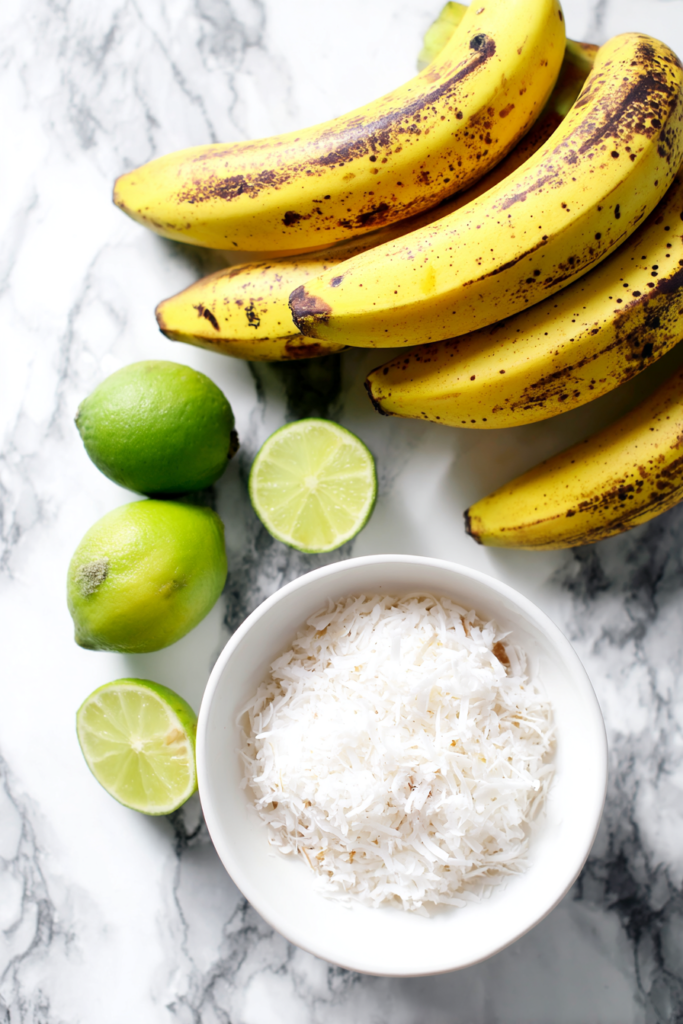
    This is important. Your bananas need to be really ripe. I’m talking spotted all over. Even mostly brown is perfect.

    Don’t try to use bananas that are just yellow and ready to eat. They won’t give you the sweetness or moisture you need. The bread will turn out bland and dry. Trust me on this. Wait for those spotty brown bananas. Some grocery stores even sell them cheap in the “oops, too ripe” section.
    Coconut Banana Bread with Lime Glaze

    The coconut.

    I always grab the sweetened shredded coconut from the baking aisle. The texture is perfect. It mixes right into the batter without clumping. And when you sprinkle it on top? It toasts up beautifully in the oven.

    The butter.

    Room temperature is key here. Not melted. Not cold. Just soft enough that you can press your finger into it. This helps it cream properly with the sugar. If your butter is cold, you’ll get lumps that won’t blend. Pull it out about an hour before you start baking.

    The sour cream.

    This is what makes the bread so moist and tender. Plus it adds a subtle tang that’s really nice.

    No sour cream? Greek yogurt works great. I’ve even used plain vanilla yogurt when that’s all I had. The important thing is having something creamy to keep the texture soft.

    The lime.

    Fresh lime juice is a must for the glaze. That bottled stuff just doesn’t cut it. The flavor is flat and weird. One big lime gives you about 2 tablespoons of juice, which is more than you need.

    Pro tip: Zest your lime before you juice it. Way easier that way.

    Let’s Make This Bread

    Alright, time to bake. I’ll walk you through everything step by step. No rush. Just enjoy the process.

    Getting Set Up

    First thing: turn your oven to 350°F. Let it heat up while you prep everything else.

    Grab your 9×5-inch loaf pan. Give it a good spray with non-stick cooking spray. Then comes my favorite trick—the parchment paper sling.

    Here’s what you do.

    Cut a strip of parchment paper that covers the bottom of the pan lengthwise. Let the extra hang over both short ends like little handles. Spray the pan first, lay in the parchment, then spray again over the paper.

    Why do this? When your bread is done, you just grab those paper handles and lift the whole thing right out. No wrestling with the pan. No bread falling apart. Game changer.
    Coconut Banana Bread with Lime Glaze

    Mixing Everything Together

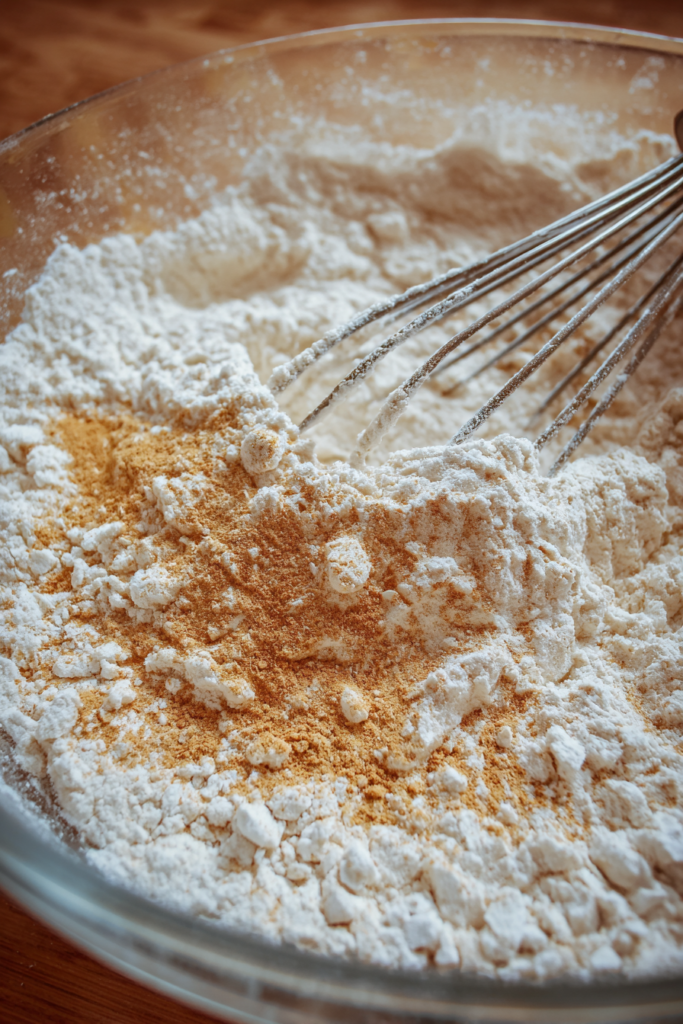
    Get a medium bowl. Toss in your flour, baking soda, and salt. Whisk it all together really well. This spreads the baking soda evenly so your bread rises right. Set that aside.

    Now grab your big mixing bowl.

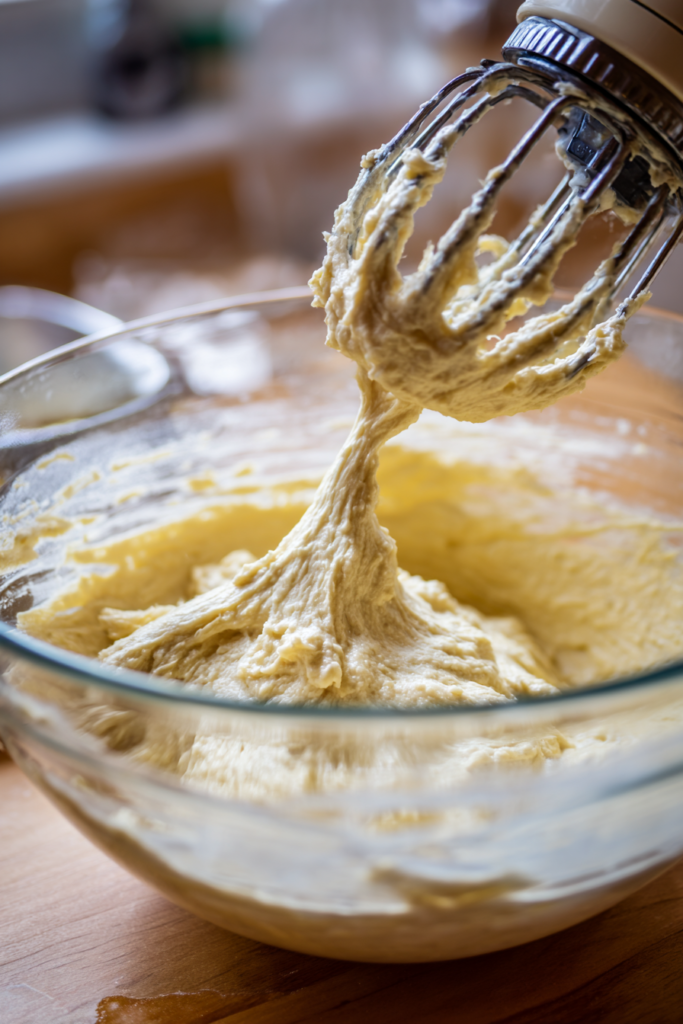
    Drop in the softened butter and sugar. If you have an electric mixer, use it on medium speed. Beat these together for about two minutes. You want it to look light and fluffy. This step is super important—it adds air to the batter, which makes the texture better.

    Crack in your eggs, one at a time.

    Beat well after each one. This helps everything come together smoothly. Your mixture should look creamy and uniform.

    Time to add the good stuff.

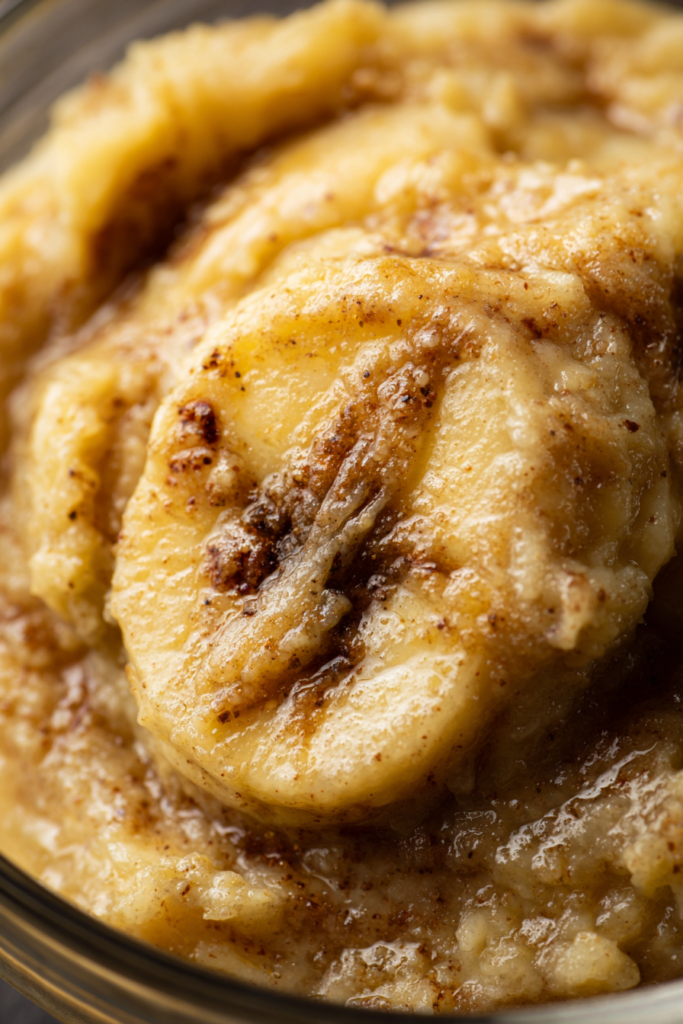
    Dump in your mashed bananas, sour cream, milk, vanilla extract, and coconut extract. Beat it all together until it’s combined. Don’t freak out if it looks a little curdled or separated. That’s normal. Once you add the flour, it’ll all come together.

    Pour your dry ingredients into the wet stuff.

    If you’re using a mixer, switch to low speed now. Mix just until you don’t see any more streaks of flour. This is where people mess up. If you overmix, your bread gets tough and dense. We want it tender and soft, so stop as soon as the flour disappears.

    Grab a spatula. Gently fold in that half cup of shredded coconut. Use a folding motion instead of stirring hard. This keeps the batter nice and fluffy. The batter should be thick but still pourable.

    Into the Oven

    Pour your batter into the prepared pan. Spread it out to the edges so it bakes evenly.

    Now sprinkle those last 2 tablespoons of coconut over the top. This creates that gorgeous golden crust you see in bakery banana bread.
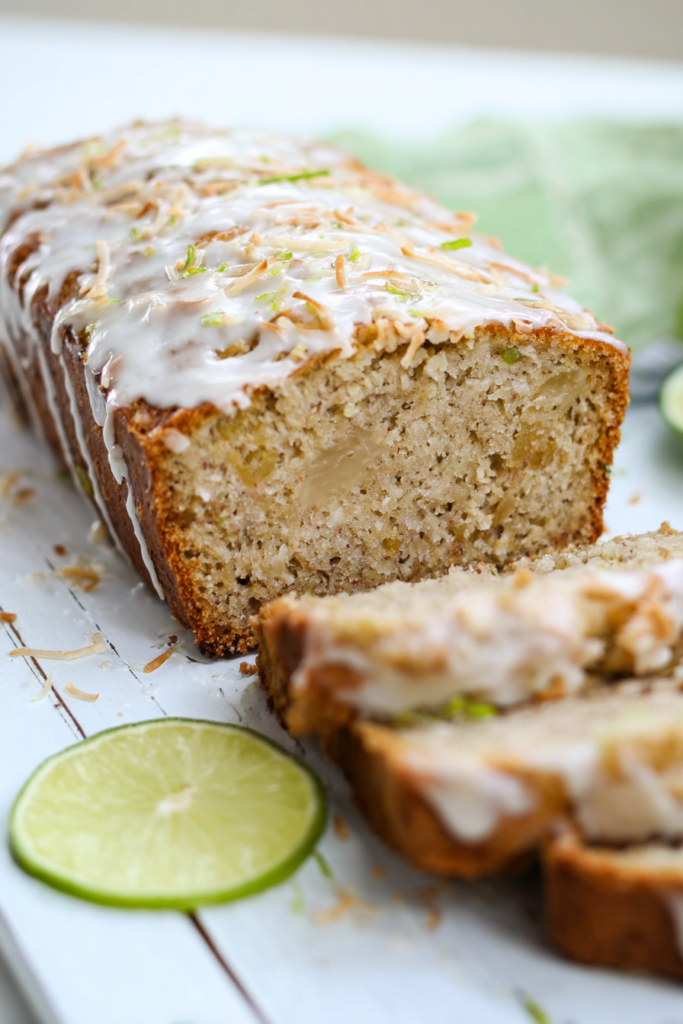
    Coconut Banana Bread with Lime Glaze

    Slide the pan into your oven. Set a timer for 45 minutes.

    When the timer goes off, take a quick peek. If the coconut on top looks really dark or the bread is browning too fast, loosely cover it with aluminum foil. This stops the top from burning while the middle finishes cooking.

    Keep baking until a knife or skewer poked into the center comes out clean. Usually takes about 60 minutes total, but every oven is different.

    Look for these signs:

    • The bread pulls away from the pan edges
    • The top springs back when you touch it gently
    • A toothpick comes out clean or with just a few crumbs

    Making the Lime Glaze

    While your bread cools a bit, whip up the glaze. Super quick and easy.

    In a small bowl, whisk together the powdered sugar and lime juice. You want it pourable but not watery. Stir in the lime zest.

    Let the bread sit in the pan for 10-15 minutes after it comes out of the oven. If you try to remove it right away, it might fall apart. Be patient.

    Use those parchment handles to lift the bread onto a cooling rack.

    Here’s what I do: put the cooling rack over a baking sheet. Then drizzle the glaze all over the warm bread. The baking sheet catches the drips so your counter stays clean.

    Give it another 15 minutes to cool and let the glaze set. I know it smells amazing and you want to dig in. But waiting helps the glaze firm up and lets the flavors settle.

    Quick Tips That Make a Difference

    Check your oven temperature.

    Get a cheap oven thermometer. Most ovens run hot or cold. Mine runs about 15 degrees hot, so I adjust. This makes a huge difference in how your bread turns out.

    Don’t keep opening the oven.

    Every time you open the door, you let out heat. This messes with the baking time. Only check when you really need to.

    The toothpick test is your friend.

    Stick it right in the center. If it comes out with wet batter on it, keep baking. A few moist crumbs? You’re good. Clean? Definitely done.

    How to Store This (And Serve It)

    Keeping It Fresh

    Let your bread cool all the way down before storing it. Wrap it tight in plastic wrap or foil. Or just pop it in an airtight container.

    It’ll stay good at room temperature for 3-4 days.

    Actually, here’s a secret. It tastes even better the next day. The flavors kind of meld together overnight. I usually just slice off what I want and keep the rest wrapped up.

    Want to keep it longer?

    Freeze it. I skip the glaze if I’m freezing. Just wrap the cooled loaf really well in plastic wrap. Then add a layer of foil over that. Write the date on it so you remember.

    It’ll keep in the freezer for up to three months, easy. When you’re ready to eat it, just leave it on the counter to thaw. Make a fresh batch of glaze and drizzle it on. Tastes like you just baked it.

    How I Like to Serve It

    This bread is perfect for breakfast or brunch. I’ll serve it with scrambled eggs and some fresh fruit. Makes a really nice spread.

    It’s also great as an afternoon snack. Pair it with coffee or tea and you’re set.

    Want to try something different?

    Toast a slice lightly. The edges get crispy and the middle stays soft. Spread a little butter on top while it’s warm. So good.

    When I bring this to get-togethers, it always disappears fast. People love the tropical twist. It feels fancy but it’s actually super simple to make.

    Questions People Always Ask Me

    Do I really need the coconut extract?

    Nope. It’s nice if you have it—adds a little extra coconut flavor. But the shredded coconut gives you plenty of coconut taste on its own. The bread is still delicious without the extract.

    My bananas aren’t ripe yet. What do I do?

    Put them in a paper bag. Toss an apple in there too. The apple speeds things up.

    Or try this: bake the unpeeled bananas at 300°F for 15-20 minutes. Let them cool before you use them. They’ll be soft and sweet enough for the recipe.

    Can I throw in some nuts or chocolate chips?

    Absolutely! I love adding chopped walnuts or pecans. Macadamia nuts are really good with the tropical vibe. White chocolate chips are amazing with the lime.

    Add about ½ to 1 cup of whatever you want. Here’s the trick: toss them in a little flour first. This keeps them from all sinking to the bottom while it bakes.

    How do I know when it’s actually done?

    Look for these things:

    • The bread pulls away from the pan sides a bit
    • When you press the top gently, it springs back
    • A toothpick in the center comes out clean or with dry crumbs only
    • No wet batter on the toothpick

    Can I turn this into muffins?

    You bet. This batter makes great muffins. Fill your muffin cups about two-thirds full. Bake at 350°F for 18-22 minutes. Start checking at 18 minutes with a toothpick. Your oven might need a slightly different time.

    Should I put this in the fridge?

    No way. The fridge actually dries out quick breads. Room temperature keeps it moist and fresh. Only refrigerate if your kitchen is super hot and humid.

    This Coconut Banana Bread with Lime Glaze is my go-to when I want something that feels special but doesn’t stress me out. The tropical flavors just make you happy. Give it a shot. I bet it becomes your new favorite way to use up those overripe bananas.
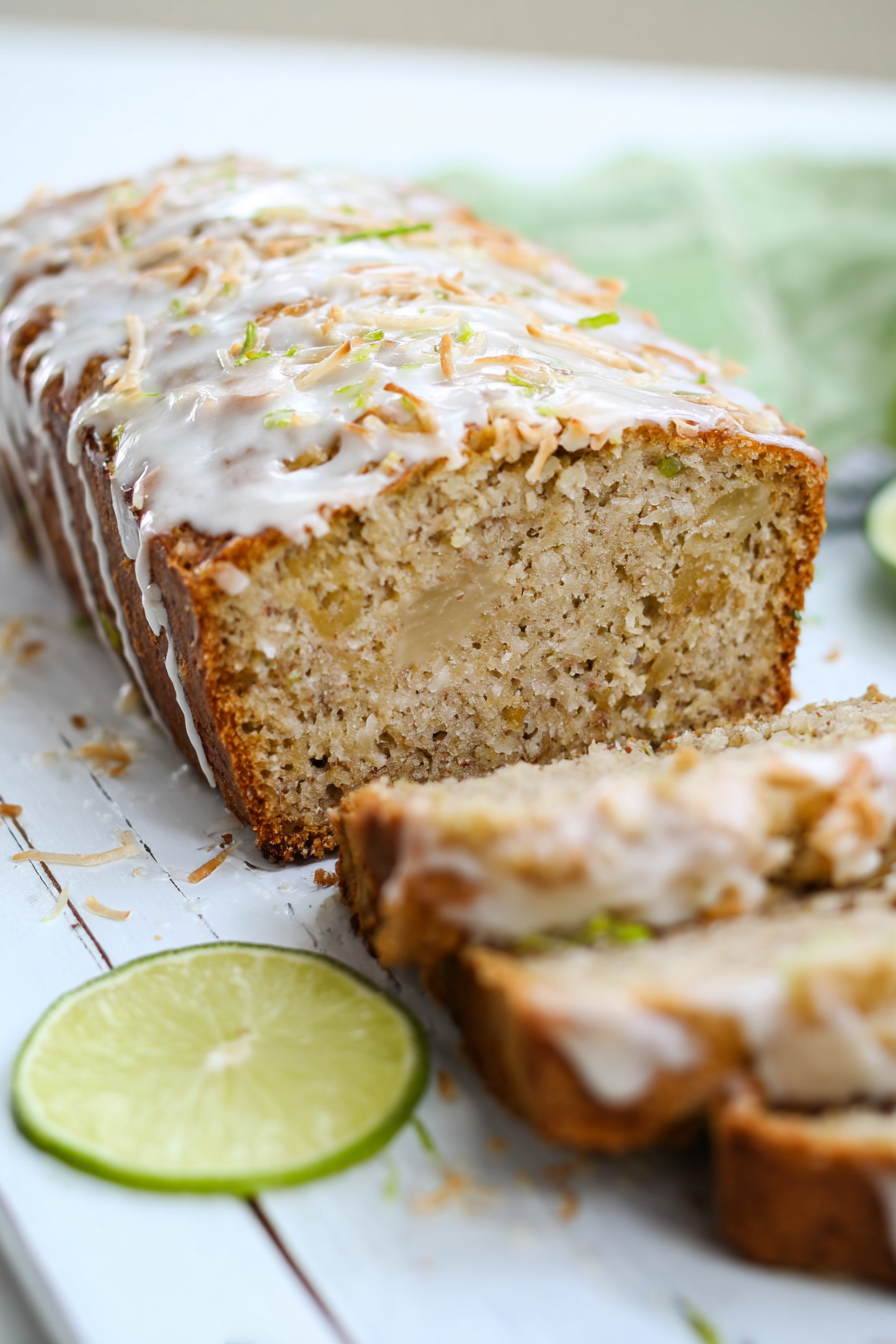
    Coconut Banana Bread with Lime Glaze

    Coconut Banana Bread with Lime Glaze

    Moist tropical banana bread loaded with coconut and topped with a bright, zesty lime glaze. This easy recipe transforms classic banana bread into something special with minimal effort.
    Prep Time 20 minutes
    Cook Time 1 hour
    Total Time 1 hour 20 minutes
    Servings: 12 slices
    Course: Breakfast, Brunch, Dessert
    Cuisine: American, Tropical
    Calories: 265

    Ingredients
      

    Banana Bread
    • 2 cups all-purpose flour spoon it in and level it off
    • 3/4 teaspoon baking soda
    • 1/2 teaspoon salt
    • 1 cup granulated sugar
    • 4 tablespoons butter softened, salted
    • 2 large eggs room temperature
    • 1 1/2 cups mashed ripe bananas 4-5 large bananas
    • 1/4 cup sour cream full-fat
    • 3 tablespoons milk or apple juice
    • 1 teaspoon vanilla extract pure
    • 1/2 cup shredded coconut sweetened, for batter
    • 1 teaspoon coconut extract optional
    • 2 tablespoons shredded coconut for topping
    Lime Glaze
    • 1/2 cup powdered sugar
    • 1/2 teaspoon lime zest fresh
    • 1 1/2 tablespoons fresh lime juice from one large lime

    Method
     

    1. Preheat oven to 350°F. Spray a 9×5-inch loaf pan with non-stick cooking spray. Cut a strip of parchment paper to cover the bottom lengthwise with extra hanging over both ends. Spray pan, lay in parchment, then spray again.
    2. In a medium bowl, whisk together flour, baking soda, and salt. Set aside.
    3. In a large mixing bowl, beat softened butter and sugar with an electric mixer on medium speed for about 2 minutes until light and fluffy.
    4. Add eggs one at a time, beating well after each addition until mixture is creamy and uniform.
    5. Add mashed bananas, sour cream, milk, vanilla extract, and coconut extract. Beat until combined (mixture may look slightly curdled).
    6. Add dry ingredients to wet mixture. Mix on low speed just until flour disappears. Do not overmix.
    7. Gently fold in 1/2 cup shredded coconut using a spatula with a folding motion to keep batter fluffy.
    8. Pour batter into prepared pan and spread to edges. Sprinkle 2 tablespoons coconut over the top.
    9. Bake for 45 minutes, then check. If coconut topping is browning too much, loosely cover with aluminum foil. Continue baking until a knife inserted in center comes out clean, about 60 minutes total.
    10. While bread cools, make glaze: In a small bowl, whisk together powdered sugar and lime juice until smooth. Stir in lime zest.
    11. Let bread cool in pan for 10-15 minutes. Use parchment handles to lift bread onto a cooling rack placed over a baking sheet.
    12. Drizzle lime glaze over warm bread. Let cool for 15 minutes to allow glaze to set before slicing.
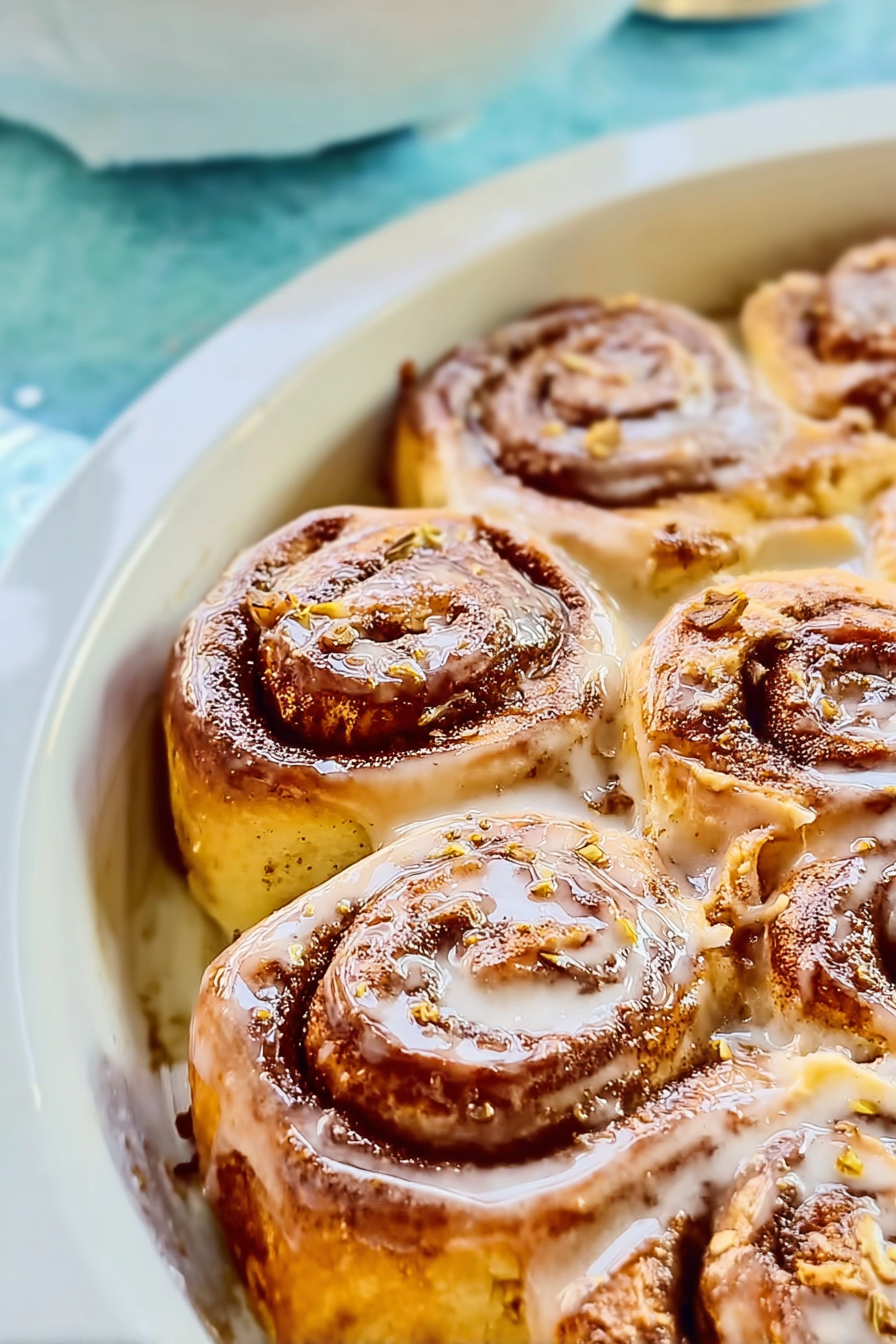
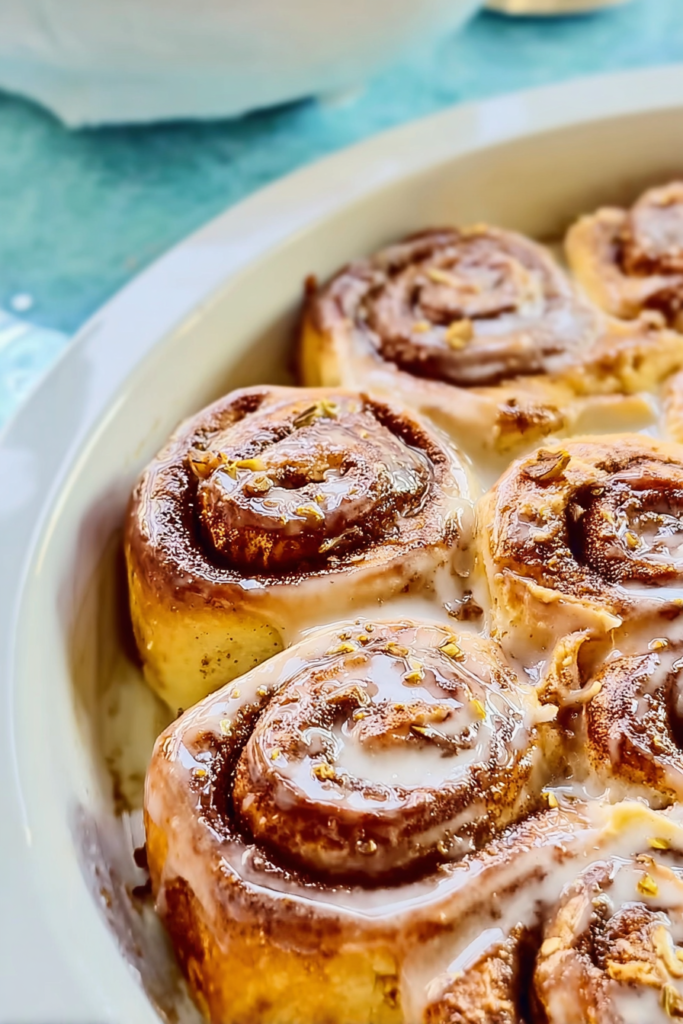
    Notes

    Storage: Wrap cooled bread tightly in plastic wrap or store in an airtight container at room temperature for 3-4 days. Bread tastes even better the next day as flavors meld.
    Freezing: Wrap cooled bread (without glaze) in plastic wrap, then foil. Freeze up to 3 months. Thaw at room temperature and make fresh glaze before serving.
    Banana Ripeness: Use very ripe bananas with brown spots all over. Under-ripe bananas will result in bland, dry bread.
    Add-ins: Fold in 1/2-1 cup chopped walnuts, pecans, macadamia nuts, or white chocolate chips. Toss in flour first to prevent sinking.
    Muffin Variation: Fill muffin cups 2/3 full. Bake at 350°F for 18-22 minutes.
    Substitutions: Greek yogurt or plain vanilla yogurt can replace sour cream.
  • Overnight Orange Cinnamon Rolls (Easy Make-Ahead Recipe)

    Overnight Orange Cinnamon Rolls (Easy Make-Ahead Recipe)

    Want to know the best feeling in the world?

    Waking up to the smell of freshly baked cinnamon rolls. That warm, cozy bakery aroma filling your kitchen. It’s pure magic.

    But here’s the thing. Early morning baking? It used to stress me out completely. Who wants to wake up at 5 AM to start kneading dough?

    That’s why I’m obsessed with this overnight method.

    You do all the work the night before. Then morning comes, and you’re basically a hero with minimal effort. Your coffee brews while the rolls rise. Easy.

    overnight orange cinnamon rolls

    Now, these aren’t your basic cinnamon rolls.

    I’ve thrown in bright orange zest and cardamom. Game changer. The citrus cuts through all that sweetness perfectly. And cardamom? It brings this warm, almost floral thing happening that makes every bite interesting.

    Once you try this combo, regular cinnamon rolls will feel… incomplete.

    The timeline breakdown:

    • Two-hour first rise
    • Overnight rest in the fridge
    • Actual hands-on work? Maybe 30 minutes

    The dough does everything while you binge-watch Netflix or sleep.

    And when morning rolls around, you just let them puff up, bake them, and slather on that tangy cream cheese glaze. Perfect for holiday mornings when you want to impress without the panic.

    overnight orange cinnamon rolls

    Let’s Talk Ingredients

    Each ingredient here has a job. Let me walk you through why they matter.

    Flour and Cornstarch

    This combo is genius for texture. The cornstarch lightens everything up. You get those soft, pillowy layers that everyone goes crazy for.

    Pro tip? Measure carefully. Too much flour = dense, sad rolls.

    Active Dry Yeast

    Your leavening hero. But yeast is picky. It needs warmth to activate and do its thing.

    Never—and I mean never—use liquid hotter than 115°F. You’ll kill those helpful little microorganisms. Dead yeast = flat rolls.

    Got instant yeast instead? Skip the milk mixture. Just toss it straight into your dry ingredients.

    Eggs at Room Temperature

    Cold eggs are the enemy here.

    They don’t blend smoothly. They create lumps. They make your butter seize up.

    I pull mine out about two hours before I start. Room temp eggs blend seamlessly and build structure without making things tough.

    Orange Juice and Zest

    This is where the magic lives.

    Fresh orange zest has these aromatic oils that perfume your entire dough. The juice adds moisture and tang.

    Don’t skip the zest. Seriously. It’s non-negotiable for maximum flavor.

    Cardamom

    If you haven’t baked with cardamom before, you’re in for a treat.

    It’s got notes of citrus, mint, and pepper all rolled into one tiny spice. A little goes incredibly far. That’s why we only use an eighth of a teaspoon in the dough.

    It pairs with orange like they were made for each other.

    Butter

    We use a lot. Both in the dough and filling.

    Softened butter distributes evenly throughout. It creates rich flavor and that tender, melt-in-your-mouth texture.

    Leave it at room temperature until it’s spreadable but not melted. That’s the sweet spot.

    Cream Cheese Glaze

    Forget basic powdered sugar icing.

    Cream cheese adds this delightful tanginess that balances the sweet rolls. Mix it with more orange juice and you get this luscious, pourable topping that soaks into warm rolls beautifully.

    It’s the difference between good and absolutely incredible.

    Quick Substitution Notes

    Milk flexibility? You’ve got options:

    • Almond milk
    • Skim milk
    • Whole milk
    • Oat milk

    Just warm it properly for the yeast.

    No cardamom in your spice cabinet? You could use a tiny pinch of nutmeg. But honestly? Track down the cardamom. It’s what makes these rolls memorable.

    Your Ingredient Breakdown

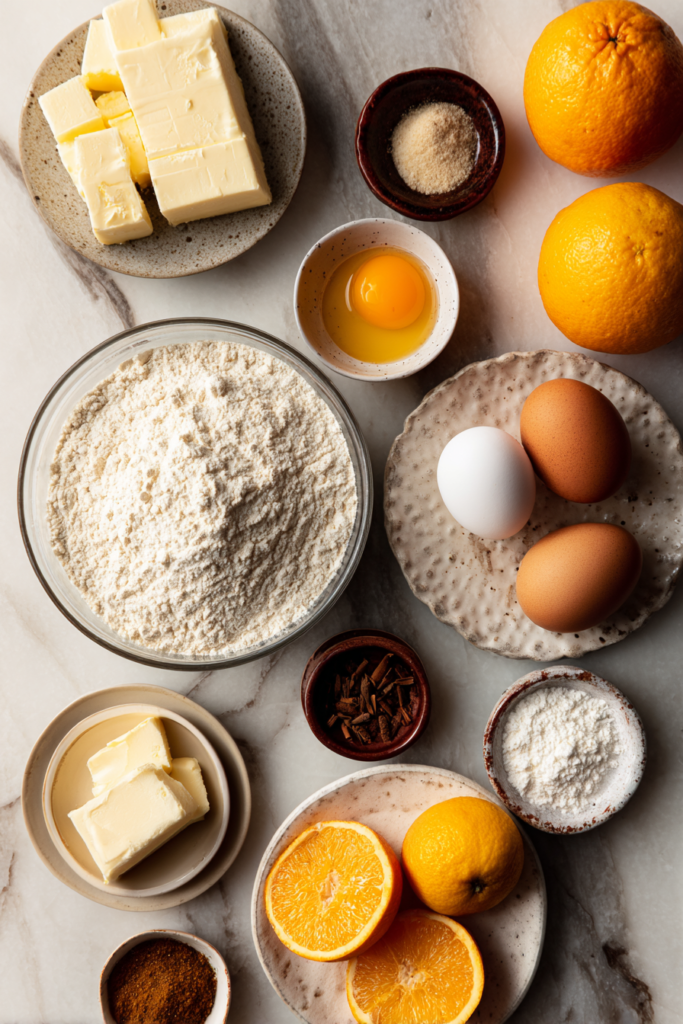
    IngredientQuantityNotes
    For the Dough:
    Milk (any variety)½ cupWarmed to 110-115°F
    Active dry yeast1 package (2¼ tsp)Or instant yeast (add to dry ingredients)
    Large eggs3Room temperature essential
    All-purpose flour4-4¼ cupsAdd gradually as needed
    Cornstarch¾ cupCreates tender texture
    Granulated sugar½ cupFor dough sweetness
    Sea salt1 tspEnhances all flavors
    Ground cardamom⅛ tspProvides aromatic warmth
    Medium orange zest1 orange (½ tbsp)Use microplane for best results
    Fresh orange juice¼ cupRoom temperature
    Unsalted butter12 tbsp (1½ sticks)Softened, cubed
    For the Filling:
    Packed brown sugar1½ cupsLight or dark works
    Ground cinnamon1 tbspFresh for best flavor
    Ground cardamom1 tspMore intense here
    Sea salt¼ tspBalances sweetness
    Unsalted butter4 tbspRoom temperature
    For the Glaze:
    Powdered sugar1½ cupsSifted if lumpy
    Cream cheese4 ozFully softened
    Orange juice¼ cupFresh squeezed preferred
    Vanilla extract½ tspPure, not imitation

    Prep Time: 15 minutes | Cook Time: 30-35 minutes | Total Time: 10 hours 45 minutes | Servings: 12-16 rolls | Difficulty: Medium

    overnight orange cinnamon rolls

    How to Make These Beautiful Rolls

    Get Your Workspace Ready

    Before you start mixing anything, do this:

    Pull out eggs and butter about two hours early. Let them hang out at room temperature.

    Warm your milk gently. I use the microwave in 15-second bursts. Easy.

    Juice your orange. Let it sit at room temperature too.

    These small prep steps? They make everything flow smoothly later.

    Building the Dough

    Grab a medium bowl. Whisk together your warm milk, yeast, and room-temp eggs.

    Set it aside. You’ll see the yeast start activating within a few minutes. Little bubbles will form. That’s exactly what you want.

    Now, in your stand mixer bowl, combine:

    • Flour
    • Cornstarch
    • Sugar
    • Salt
    • Cardamom
    • Orange zest

    Whisk thoroughly. Break up any clumps. Attach your dough hook and start the mixer on low.

    Pour in the milk mixture. Add the orange juice right after.

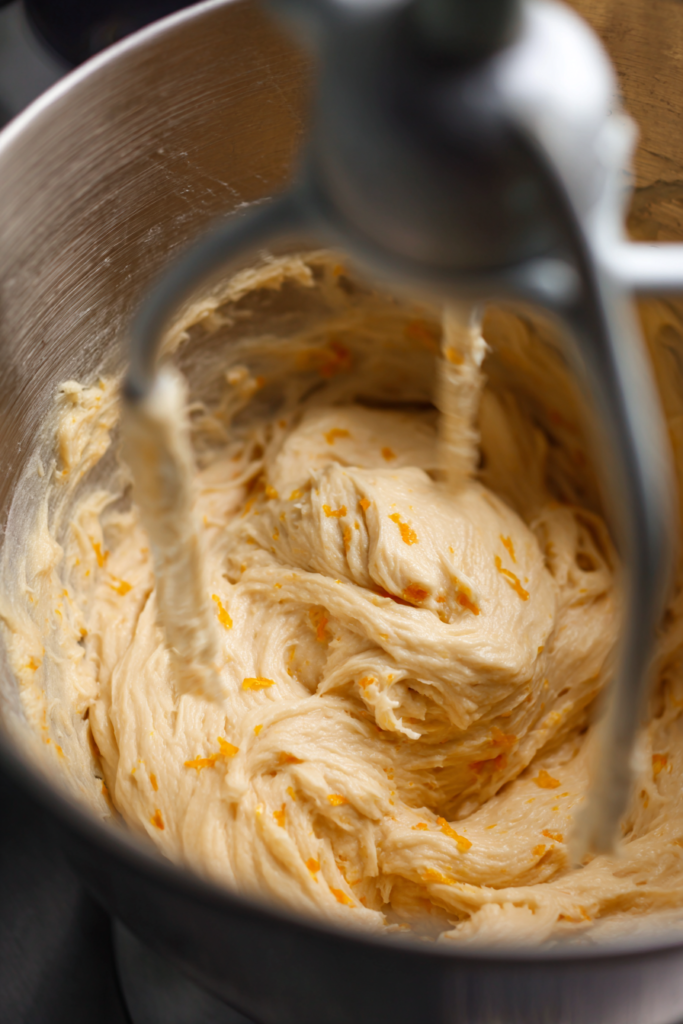
    Let everything mingle for about one minute. It’ll look rough and shaggy. That’s normal.

    Now here comes the important part.

    Start adding your softened butter cubes gradually. Keep the mixer running on low-medium speed.

    Your dough will look wet and messy at first. Don’t freak out.

    Keep mixing for a full 10 minutes. The butter incorporates slowly. The dough transforms from this shaggy mess into something smooth and beautiful.

    Still too sticky after 10 minutes? Add flour two tablespoons at a time. You want soft dough that’s barely tacky but not dripping wet.

    Transfer your gorgeous dough to a greased bowl. Cover it with a kitchen towel.

    Find a warm spot. I stick mine in the oven with just the light on. Perfect temperature.

    Let it rest undisturbed for about two hours. It should double in size.

    Making That Spiced Filling

    While your dough does its thing, mix up your filling.

    Brown sugar, cinnamon, cardamom, and salt in a small bowl. This aromatic blend creates those gorgeous swirls everyone loves.

    The extra cardamom in the filling? That’s what intensifies the warm, exotic flavor.

    Grab your 8-inch round baking pans. Grease them thoroughly. I use two pans for this recipe. Perfect portions every time.

    overnight orange cinnamon rolls

    Shaping Time

    Your dough has puffed up beautifully. Nice.

    Turn it onto a lightly floured surface. Roll it into a large, thin rectangle.

    Don’t stress about perfect dimensions. Roughly 15 by 20 inches works great.

    Spread the softened filling butter across the entire surface. Leave about a quarter-inch border around the edges. This border helps seal your roll later.

    Sprinkle the spiced sugar mixture evenly over the butter.

    Now the satisfying part.

    Start from one long edge. Roll tightly toward the opposite side. Keep steady pressure. You want even layers throughout.

    You’ll end up with this long cylinder of swirled deliciousness.

    Cutting them? Here’s a trick.

    Use a sharp knife or unflavored dental floss. The floss trick works amazing. Just slide it under the log, cross the ends over the top, and pull. Clean cuts every time.

    Cut into 12 to 16 pieces. Each piece should be about two inches thick.

    Arrange them cut-side down in your prepared pans.

    Cover both pans tightly with plastic wrap. Slide them into your refrigerator.

    Let them rest overnight. Or up to 24 hours if you’re planning ahead.

    Morning Routine (The Easy Part)

    Ready to bake? Here we go.

    Remove the pans from your fridge.

    Fill a shallow oven-safe dish two-thirds full with boiling water. Place it on your oven’s lower rack.

    Set the covered roll pans on the upper rack. Your oven should be cold. Don’t preheat it yet.

    Close the door. Wait 30 minutes.

    The steam from the hot water creates this perfect rising environment. Your rolls will puff up and look gloriously fluffy.

    Remove both the rolls and the water dish.

    Now preheat your oven to 350°F.

    Once it hits temperature, return the rolls. Bake for 30-35 minutes.

    You’re looking for golden-brown tops. The rolls should spring back when you gently press the center.

    That Cream Cheese Glaze

    While the rolls bake, make your glaze.

    Whisk together:

    • Powdered sugar
    • Softened cream cheese
    • Orange juice
    • Vanilla

    Keep whisking until completely smooth. The mixture should be pourable but not runny.

    When your rolls come out of the oven, work fast.

    Spread about one-quarter of the glaze immediately over the hot rolls.

    Wait 5-10 minutes.

    Then add the remaining glaze just before serving.

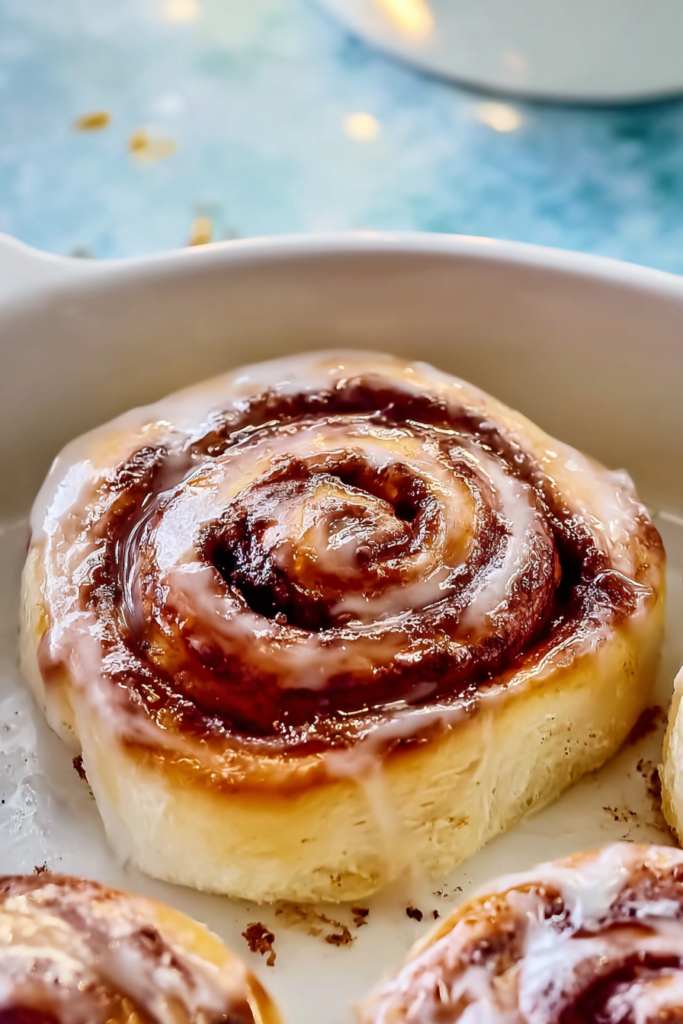
    This two-step thing? It creates the most luxurious, thick coating. The first layer soaks in. The second layer stays glossy and gorgeous on top.

    Tips That Actually Matter

    Temperature Is Everything

    Room-temperature ingredients aren’t just baker fussiness.

    Cold eggs make butter seize up. You get uneven dough. The texture suffers.

    It genuinely affects your final product.

    The Double Rise Explained

    This recipe uses two separate rising periods.

    The first builds flavor and structure. Takes about two hours.

    The second happens overnight in the fridge. It develops even more complex taste while fitting perfectly into your schedule.

    Win-win.

    How to Measure Flour Correctly

    Spoon flour into your measuring cup. Level it off with a knife.

    Never scoop directly from the bag. That compacts the flour. You end up with too much.

    Too much flour = tough, dry rolls. Nobody wants that.

    Testing for Doneness

    Your rolls should be golden on top. They’ll register about 190°F internally if you use a thermometer.

    No thermometer? They’ll feel firm but still slightly soft when you press the center.

    Your Questions Answered

    Can I make these the same day instead of overnight?

    Absolutely.

    After shaping, let the rolls rise at room temperature for 45-60 minutes until puffy. Then bake immediately.

    The overnight method just adds convenience. Plus it develops deeper flavor. But same-day totally works if you’re in a rush.

    My dough isn’t rising. What’s wrong?

    Check your yeast freshness first.

    Expired yeast won’t activate. It just sits there doing nothing.

    Also verify your liquid temperature. Too hot kills yeast. Too cold leaves it dormant.

    Find a consistently warm spot around 75-80°F for rising. That’s the sweet spot.

    Can I freeze these rolls?

    Yes. Two ways actually.

    Option 1: Freeze unbaked shaped rolls in an airtight container for one month. Thaw overnight in the fridge. Then proceed with the rising and baking steps.

    Option 2: Freeze baked rolls for two months. Reheat gently when ready to serve.

    Both methods work great.

    My filling leaked out during baking. Help?

    This usually means two things:

    The dough wasn’t rolled tightly enough. Or it was cut too thick.

    Aim for snug rolling. Make uniform two-inch slices.

    A little leakage is normal though. It creates those delicious caramelized edges. Don’t stress too much.

    Can I skip the cream cheese glaze?

    Sure.

    A simple powdered sugar and orange juice glaze works well. Mix two cups powdered sugar with enough orange juice to reach drizzling consistency.

    It won’t be as tangy. But it still tastes wonderful.

    Final Thoughts

    These overnight orange cinnamon rolls have become my go-to for special mornings.

    The combination of citrus brightness and warm cardamom? It creates something far more interesting than ordinary cinnamon rolls.

    Your kitchen will smell absolutely incredible. Everyone will think you spent hours slaving away in the kitchen.

    When really? You just planned ahead smartly.

    The overnight resting period isn’t just about convenience. It allows flavors to develop and meld together beautifully.

    When you bite into a warm roll with that tangy cream cheese glaze, you’ll taste the difference that patience makes.

    Whether you’re preparing these for:

    • Holiday breakfast
    • Weekend brunch
    • Just because you deserve something special

    They’re guaranteed to impress.

    Make them once. They’ll become a requested favorite in your home too.

    Overnight Orange Cinnamon Rolls with Cardamom

    Overnight Orange Cinnamon Rolls with Cardamom

    Make-ahead cinnamon rolls with bright orange zest and warm cardamom. Prep the night before and wake up to freshly baked rolls with minimal morning effort. Features a tangy cream cheese glaze.
    Prep Time 15 minutes
    Cook Time 30 minutes
    First Rise Time 2 hours
    Total Time 10 hours 45 minutes
    Servings: 12 rolls
    Course: Breakfast, Brunch, Dessert
    Cuisine: American
    Calories: 385

    Ingredients
      

    For the Dough
    • 1/2 cup milk any variety, warmed to 110-115°F
    • 2 1/4 tsp active dry yeast 1 package
    • 3 large eggs room temperature
    • 4-4 1/4 cups all-purpose flour add gradually as needed
    • 3/4 cup cornstarch
    • 1/2 cup granulated sugar
    • 1 tsp sea salt
    • 1/8 tsp ground cardamom
    • 1/2 tbsp orange zest from 1 medium orange
    • 1/4 cup fresh orange juice room temperature
    • 12 tbsp unsalted butter 1½ sticks, softened and cubed
    For the Filling
    • 1 1/2 cups packed brown sugar light or dark
    • 1 tbsp ground cinnamon fresh for best flavor
    • 1 tsp ground cardamom
    • 1/4 tsp sea salt
    • 4 tbsp unsalted butter room temperature
    For the Glaze
    • 1 1/2 cups powdered sugar sifted if lumpy
    • 4 oz cream cheese fully softened
    • 1/4 cup orange juice fresh squeezed preferred
    • 1/2 tsp vanilla extract pure, not imitation

    Method
     

    1. Pull out eggs and butter about 2 hours early to reach room temperature. Warm milk to 110-115°F using microwave in 15-second bursts. Juice orange and let sit at room temperature.
    2. In a medium bowl, whisk together warm milk, yeast, and room temperature eggs. Set aside for a few minutes to activate (bubbles will form).
    3. In stand mixer bowl, combine flour, cornstarch, sugar, salt, cardamom, and orange zest. Whisk thoroughly to break up clumps. Attach dough hook.
    4. Start mixer on low. Pour in milk mixture and orange juice. Mix for about 1 minute until combined (will look rough and shaggy).
    5. Gradually add softened butter cubes while mixer runs on low-medium speed. Continue mixing for 10 minutes total. Dough will transform from wet and messy to smooth. If still too sticky after 10 minutes, add flour 2 tablespoons at a time until dough is soft and barely tacky.
    6. Transfer dough to greased bowl and cover with kitchen towel. Place in warm spot (like oven with just the light on). Let rise undisturbed for about 2 hours until doubled in size.
    7. While dough rises, mix filling: Combine brown sugar, cinnamon, cardamom, and salt in a small bowl. Grease two 8-inch round baking pans thoroughly.
    8. Turn risen dough onto lightly floured surface. Roll into a large rectangle, roughly 15 by 20 inches.
    9. Spread softened filling butter across entire dough surface, leaving ¼-inch border around edges. Sprinkle spiced sugar mixture evenly over butter.
    10. Starting from one long edge, roll tightly toward opposite side with steady pressure for even layers. You’ll have a long cylinder of swirled dough.
    11. Cut into 12-16 pieces (about 2 inches thick each) using sharp knife or unflavored dental floss. Arrange cut-side down in prepared pans.
    12. Cover pans tightly with plastic wrap. Refrigerate overnight or up to 24 hours.
    13. On baking day, remove pans from refrigerator. Fill shallow oven-safe dish two-thirds full with boiling water and place on lower oven rack. Set covered roll pans on upper rack in COLD oven. Close door and wait 30 minutes for rolls to rise in the steam.
    14. Remove rolls and water dish from oven. Preheat oven to 350°F.
    15. Once preheated, return rolls to oven. Bake for 30-35 minutes until golden-brown on top and center springs back when gently pressed.
    16. While rolls bake, make glaze: Whisk together powdered sugar, softened cream cheese, orange juice, and vanilla until completely smooth and pourable.
    17. When rolls come out of oven, immediately spread one-quarter of glaze over hot rolls. Wait 5-10 minutes, then add remaining glaze just before serving.

    Notes

    Same-Day Option: After shaping, let rolls rise at room temperature for 45-60 minutes until puffy, then bake immediately.
    Freezing Options: Freeze unbaked shaped rolls in airtight container for 1 month (thaw overnight in fridge before rising and baking), or freeze baked rolls for 2 months (reheat gently before serving).
    Yeast Substitution: If using instant yeast, skip the milk mixture step and add yeast directly to dry ingredients.
    Measuring Flour: Spoon flour into measuring cup and level with knife. Never scoop directly from bag as this compacts flour and results in dry rolls.
    Milk Options: Any milk variety works – whole, skim, almond, or oat milk.
  • Easy Lemon Blueberry Bread Recipe (Moist & Delicious!)

    Easy Lemon Blueberry Bread Recipe (Moist & Delicious!)

    You know what’s amazing?

    The way bright lemon and sweet blueberries come together in a single loaf of bread.

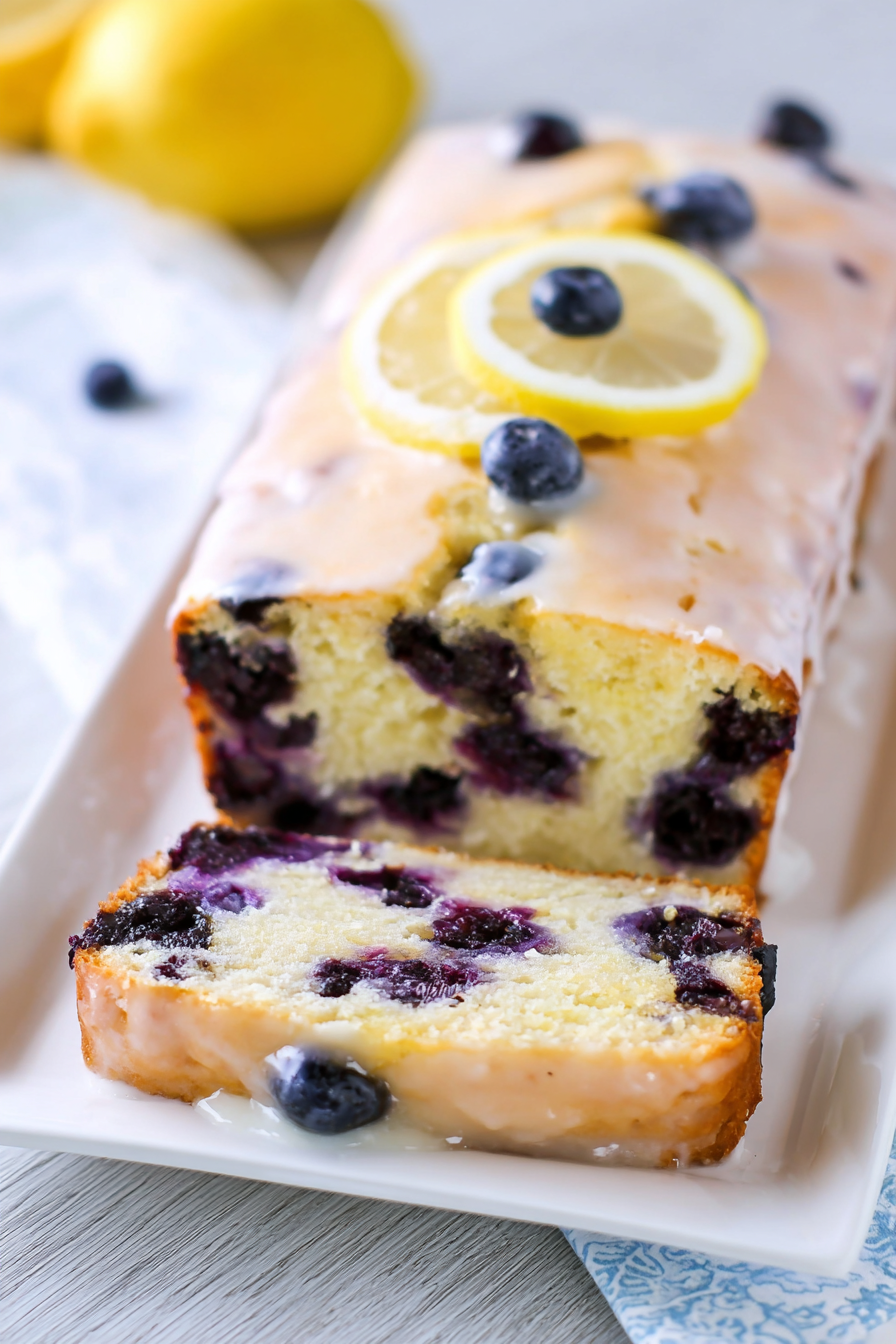
    I’m talking about that perfect combination where citrus meets berry sweetness. And trust me, this Lemon Blueberry Bread recipe takes simple stuff from your pantry and turns it into something seriously good.

    Whether you’re making breakfast, grabbing an afternoon snack, or serving dessert – this bread works.

    I first made this recipe last spring. The farmers’ market was overflowing with fresh blueberries, and I couldn’t resist grabbing a few pints. That’s when I discovered how beautifully lemon and blueberry flavors play together.

    The result?

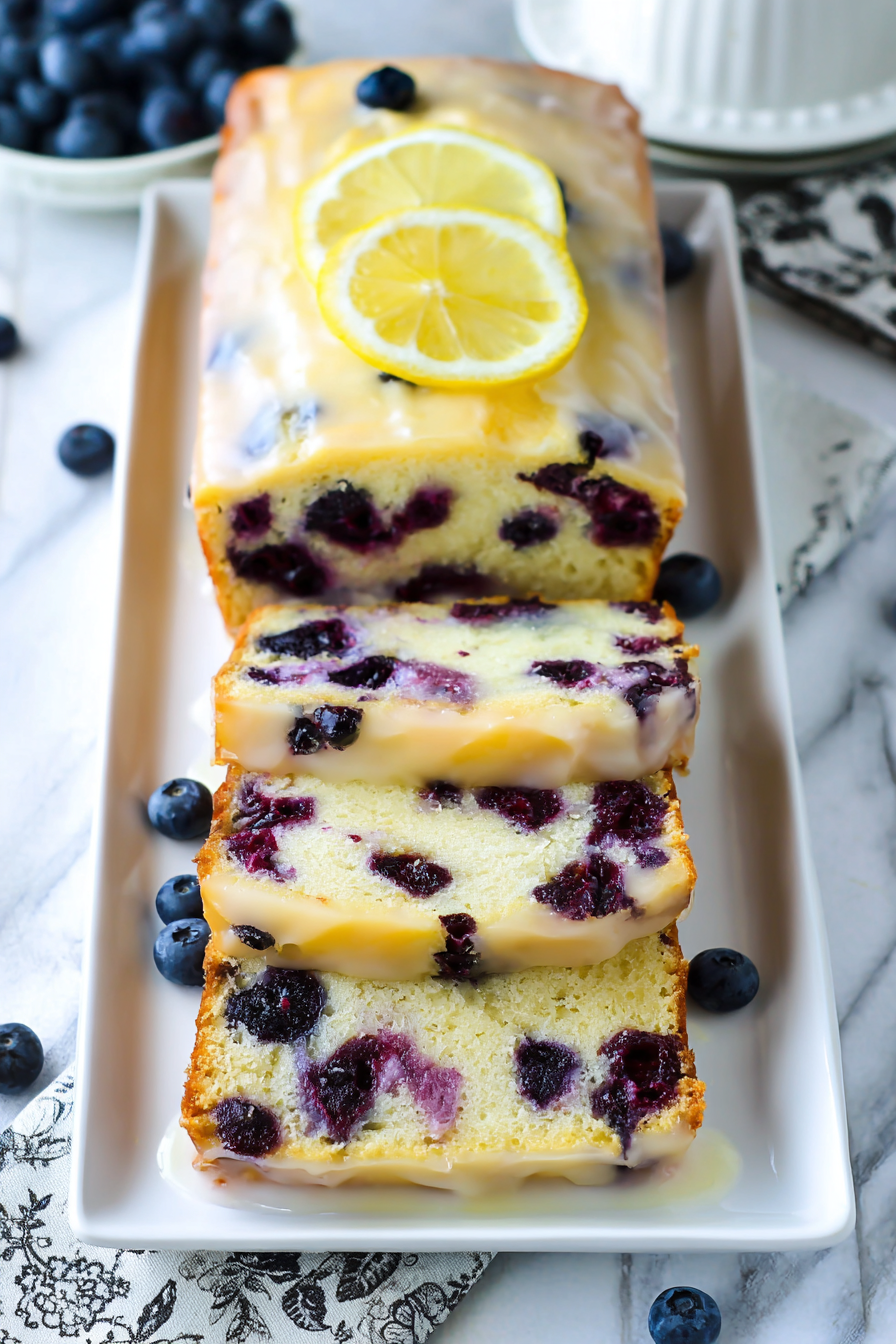
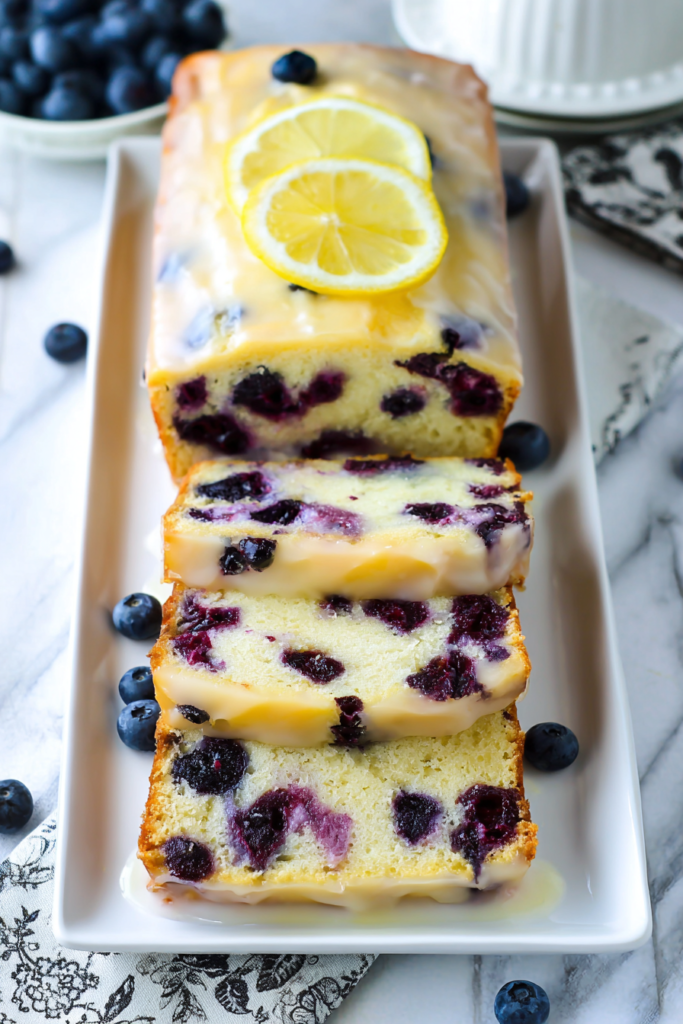
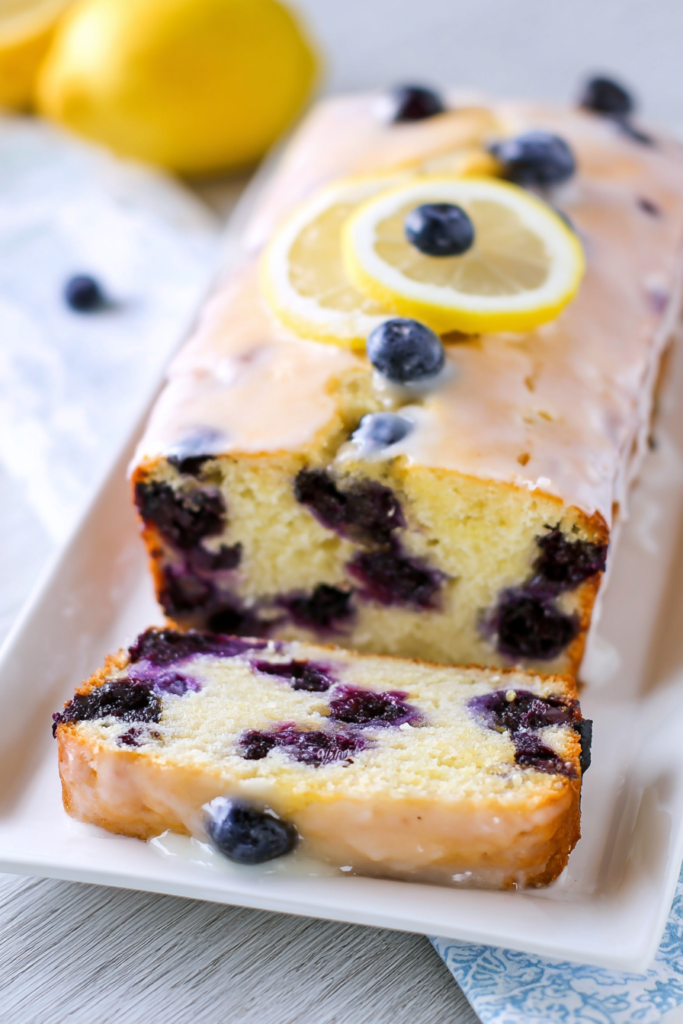
    A tender, moist loaf studded with juicy berries and topped with a tangy lemon glaze that makes every bite feel special.

    Recipe Timing:
    Prep Time: 15 minutes | Cook Time: 60 minutes | Total Time: 1 hour 45 minutes (including cooling)
    Servings: 10 slices | Difficulty: Easy

    lemon blueberry bread

    Let’s Talk Ingredients

    Here’s the thing about baking.

    Your ingredients matter. A lot.

    So let me walk you through what you’ll need and why each ingredient plays a role in making this bread incredible.

    The Main Players

    All-Purpose Flour – This is your bread’s backbone. It creates structure. But here’s a mistake I used to make: scooping flour directly from the bag. Don’t do that. It packs way too much flour into your cup, and you’ll end up with dry, dense bread. Instead, spoon flour into your measuring cup and level it off with a knife. Game changer.

    Baking Powder – Think of this as your bread’s lifting power. When it hits liquid and heat, it creates tiny bubbles that make the batter rise. That’s how you get that light, airy texture instead of a hockey puck.

    Salt – Please don’t skip this. I know it seems small, but salt does something magical. It makes the lemon taste brighter. It makes the blueberries taste sweeter. Without it? Your bread will taste flat and boring.

    Unsalted Butter – Melted butter brings richness and keeps everything moist. I always use unsalted because it gives me total control over the salt level. Got salted butter instead? No problem. Just cut the added salt in half.

    Granulated Sugar – This does double duty. It sweetens the bread, obviously. But it also creates a tender crumb and helps develop that gorgeous golden crust on top.

    Eggs – These bind everything together and add structure. One tip? Use room temperature eggs. They mix into the batter way easier than cold ones straight from the fridge.

    Vanilla Extract – Real vanilla extract makes a difference here. Imitation vanilla works if that’s what you have, but pure extract gives you deeper, richer flavor.

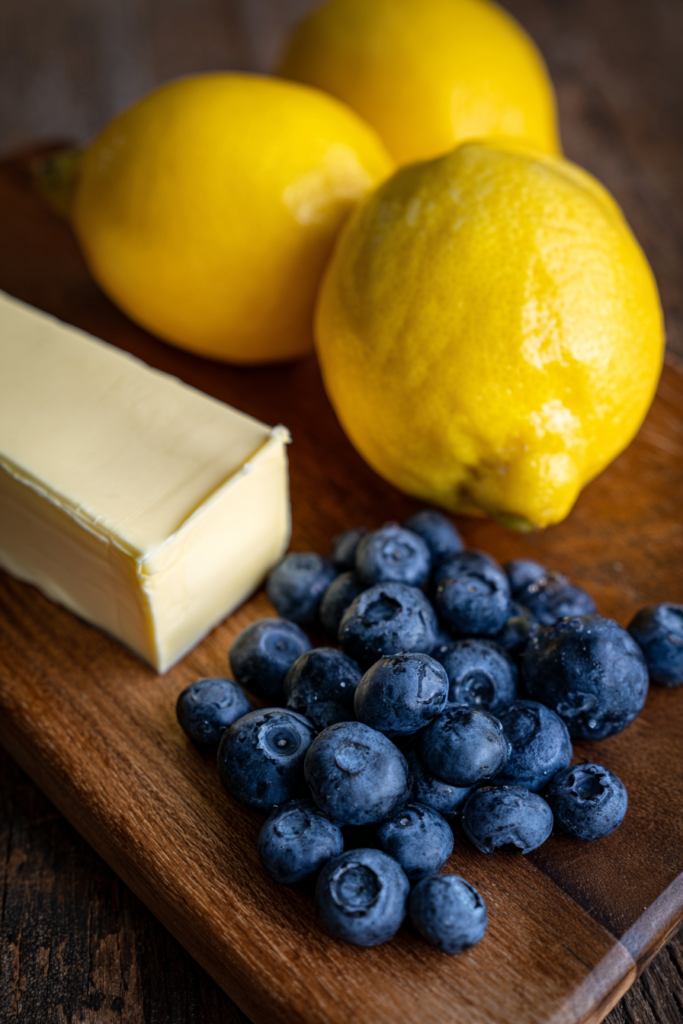
    Fresh Lemon Zest and Juice – This is where the magic happens. Lemon zest is packed with aromatic oils that flood your bread with citrus flavor. Quick tip: always zest your lemons before you juice them. Trust me on this.

    Milk – This loosens up the batter to just the right consistency. Whole milk gives you the richest results, but honestly? Any milk works fine.

    Blueberries – Fresh berries give you the best texture. But frozen works great too. The secret? Coating them in flour before you add them to the batter. More on that in a minute.

    Extra Flour for Berries – That single tablespoon of flour keeps your blueberries from sinking to the bottom while baking. It’s like a little safety net for your berries.

    lemon blueberry bread

    The Glaze Ingredients

    Now let’s talk about that beautiful glaze.

    Melted Butter – Creates a smooth, pourable consistency that coats the bread perfectly.

    Powdered Sugar – Dissolves instantly. No grainy texture. If yours is lumpy, give it a quick sift.

    Fresh Lemon Juice – Adds that tangy punch. Bottled lemon juice? It just doesn’t compare to fresh. The flavor difference is huge.

    Vanilla Extract – Rounds everything out with warm undertones that complement the lemon beautifully.

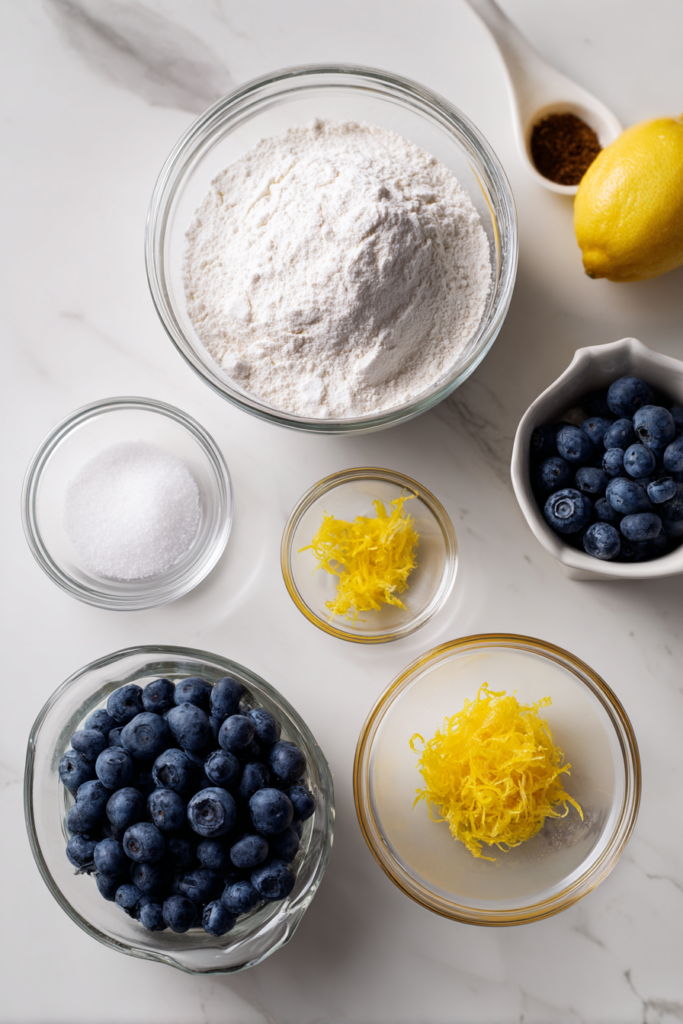
    Your Complete Ingredients List

    IngredientQuantityNotes
    All-purpose flour1½ cups + 1 tbspSpoon and level for accuracy
    Baking powder1 teaspoonFresh for best rise
    Salt1 teaspoonEnhances all flavors
    Unsalted butter (melted)⅓ cupCan substitute salted (reduce salt)
    Granulated sugar1 cupCreates tender texture
    Eggs2 largeRoom temperature preferred
    Vanilla extract½ teaspoonPure extract recommended
    Fresh lemon zest2 teaspoonsPacked, from about 1 large lemon
    Fresh lemon juice2 tablespoonsFrom the same lemon
    Milk½ cupAny fat percentage works
    Blueberries1 cupFresh or frozen (do not thaw)

    For Glaze:

    IngredientQuantityNotes
    Butter (melted)2 tablespoonsFor smooth consistency
    Powdered sugar½ cupSift if lumpy
    Fresh lemon juice2 tablespoonsFreshly squeezed
    Vanilla extract½ teaspoonComplements lemon

    Time to Bake This Thing

    Alright, ingredients gathered?

    Let’s make some bread.

    Getting Started

    First things first: preheat your oven to 350°F.

    Why start with this? Because you want your oven ready the second your batter is mixed. Even baking starts with even temperature.

    Next, grab your 9×5-inch loaf pan. Line it with parchment paper, leaving some overhang on two sides. This makes removing the bread super easy later. No parchment? Just grease the pan really well with butter.

    lemon blueberry bread

    Mixing Your Batter

    Get a medium bowl. Whisk together your flour, baking powder, and salt.

    Set it aside.

    This step is important because it spreads your leavening agent evenly throughout the flour. Skip this, and you might get weird pockets where the bread rises unevenly.

    Now for the fun part.

    In your electric mixer bowl, combine the melted butter and sugar. Beat them briefly. Then add your eggs, vanilla extract, lemon zest, and lemon juice. Mix until everything looks smooth and unified.

    The mixture should look slightly pale and well-blended.

    Here’s where you need to pay attention.

    Turn your mixer to low speed. You’re going to alternate adding your dry ingredients and milk. Start with some flour. Then some milk. Then the rest of the flour. Finish with the rest of the milk.

    And here’s the crucial part: stop mixing the instant you don’t see dry streaks anymore.

    Why?

    Because overmixing develops gluten. And gluten makes your bread tough and chewy instead of tender and soft. Nobody wants that.

    The Blueberry Secret

    This is my favorite trick.

    If you’re using fresh blueberries, give them a quick rinse. Let a little water cling to them. That moisture helps the flour stick.

    Now toss those berries with that tablespoon of flour in a small bowl.

    This coating? It’s your insurance policy against sad, sunken berries at the bottom of your loaf.

    Using frozen blueberries instead?

    Don’t thaw them.

    Seriously. Use them straight from the freezer. Coat them in flour while they’re still frozen, then work quickly. The flour stops the color from bleeding while keeping the berries spread throughout your loaf.

    Fold the flour-coated berries into your batter with a spatula. Use gentle, sweeping motions. You don’t want to crush those berries. A few quick folds and you’re done.

    lemon blueberry bread

    Into the Oven

    Pour your batter into the prepared pan right away.

    Smooth the top with a spatula. The batter will look thick. That’s exactly what you want.

    Slide that pan into your preheated oven. Set a timer for 55 minutes.

    Your bread is done when a toothpick inserted into the center comes out clean (or with just a few moist crumbs). The top should be golden brown and spring back when you gently press it.

    Now, here’s something important.

    Timing varies based on your oven and pan. Dark pans bake faster than light ones. Glass pans heat differently than metal. So start checking at 55 minutes. You might need up to 65 minutes total.

    Better to check early than to overbake.

    The Waiting Game (Cooling and Glazing)

    I know you’re excited.

    But this step requires patience.

    Let that bread cool in the pan for 30 minutes. This resting time lets the structure set properly. Try to remove it too early? It’ll crumble and fall apart.

    After 30 minutes, lift the bread using the parchment overhang.

    Transfer it to a wire cooling rack. Put a baking sheet underneath to catch the glaze drips later. (You’ll thank me for this tip when your counter stays clean.)

    While the bread finishes cooling, make your glaze.

    Whisk together melted butter, powdered sugar, lemon juice, and vanilla until it’s completely smooth. The consistency should be thick but pourable – think heavy cream.

    Wait until the bread is completely cool.

    Then drizzle that glaze generously over the top. Let it cascade down the sides naturally. Give the glaze a few minutes to set before slicing.
    Why wait for complete cooling?

    Because warm bread makes the glaze melt and soak in instead of creating that beautiful white coating on top.

    My Best Tips for Perfect Results

    Let me share some things I’ve learned through trial and error:

    Temperature Matters – Cold eggs and milk don’t mix well into batter. Let them sit out for 30 minutes before you start baking. Room temperature ingredients blend together so much smoother.

    Don’t Overmix – I mentioned this earlier, but it’s worth repeating. Once flour meets liquid, gluten starts forming. Mix just until combined. That’s how you get tender, not tough.

    Test for Doneness – Stick a toothpick into the thickest part of the bread. You want a few moist crumbs, not wet batter. And definitely not completely clean – that means it’s overbaked.

    Cool Completely Before Glazing – I learned this the hard way. Warm bread + glaze = melted mess that soaks in. Cool bread + glaze = pretty white coating that stays on top.

    Fresh Lemon is Essential – Bottled lemon juice is convenient. But it can’t compete with fresh. The flavor difference is really noticeable in this recipe.

    Your Questions Answered

    Frequently Asked Questions

    Can I freeze this Lemon Blueberry Bread?

    Yes! And it freezes beautifully.

    Let the bread cool completely first. Wrap it tight in plastic wrap. Then wrap it again in aluminum foil for extra protection. Pop it in a freezer-safe container or bag.

    It’ll keep for up to 3 months.

    When you’re ready to eat it? Thaw in the refrigerator overnight. Or just leave it on the counter for several hours.

    What if I only have frozen blueberries?

    Perfect. They work great.

    The key is using them straight from the freezer. Don’t thaw them first. Coat them in flour while they’re still frozen, then fold them quickly into your batter.

    Fair warning: they might release a bit more juice and tint your batter purple. But the flavor? Still excellent.

    Can different berries replace blueberries?

    Absolutely! I’ve tried:

    • Raspberries
    • Blackberries
    • Diced strawberries

    All three worked wonderfully. Keep the quantity at one cup and coat them in flour just like you would blueberries.

    How should leftover bread be stored?

    Store your cooled bread in an airtight container at room temperature. It’ll stay good for up to 3 days.

    Want to keep it longer? Refrigeration extends freshness to 5 days. Just know that the fridge can dry out the texture a bit. Bring refrigerated slices back to room temperature before serving, or warm them briefly.

    My blueberries sank to the bottom. What went wrong?

    This usually happens for two reasons:

    1. You didn’t coat the blueberries in flour
    2. You overmixed the batter

    That flour coating creates friction that suspends the berries in the batter. Also, fold them in quickly and get the pan in the oven right away. Letting the batter sit allows berries to sink.

    Can I make this without a mixer?

    Sure can!

    A whisk and some elbow grease work just fine. Mix your wet ingredients vigorously by hand until they’re combined. Then gently fold in the dry ingredients.

    The result will be just as delicious.

    Ways to Serve This Bread

    This bread is incredibly versatile.

    For breakfast: Serve warm slices with softened butter.

    For an afternoon snack: Toast slices lightly and spread with cream cheese.

    For any time: Pair with hot tea or coffee.

    Want to make someone’s day? This bread makes a thoughtful gift. Wrap the cooled, unglazed loaf in cellophane and tie it with a ribbon. Include the glaze ingredients with instructions so they can add fresh glaze right before serving.

    Fun Variations to Try

    Once you’ve made the basic recipe, try these twists:

    Lemon Poppy Seed Blueberry – Add 1 tablespoon of poppy seeds to your dry ingredients. Extra texture and visual appeal.

    Double Lemon – Increase the lemon zest to 1 tablespoon for more pronounced citrus flavor. Add ½ teaspoon of lemon extract alongside the vanilla for even more lemon punch.

    Streusel Topped – Before baking, sprinkle the top with a mixture of 2 tablespoons flour, 2 tablespoons sugar, and 1 tablespoon cold butter. It creates a sweet, crunchy topping.

    Mini Loaves – Divide the batter among three mini loaf pans. Reduce baking time to 35-40 minutes. Perfect for gift-giving!

    Why I Keep Making This

    This Lemon Blueberry Bread has become a staple in my kitchen.

    Here’s why:

    The preparation is straightforward. No special techniques. No fancy equipment. Just simple mixing and baking.

    But the result? Consistently moist, flavorful bread that disappears fast.

    It works for breakfast. It works for dessert. It travels well for potlucks and picnics. It freezes beautifully for when cravings hit.

    Every time I pull this golden loaf from my oven, my kitchen fills with the most wonderful citrus-berry aroma.

    That first slice always reveals a tender crumb studded with juicy blueberries. The sweet-tart glaze provides the perfect finishing touch.

    I make this bread at least twice a month now. Sometimes more.

    And I really hope it brings as much joy to your kitchen as it has to mine.

    Happy baking!

    Lemon Blueberry Bread

    Lemon Blueberry Bread

    A moist, tender loaf studded with juicy blueberries and topped with a tangy lemon glaze. Perfect for breakfast, snacks, or dessert.
    Prep Time 15 minutes
    Cook Time 1 hour
    Cooling Time 30 minutes
    Total Time 1 hour 45 minutes
    Servings: 10 slices
    Course: Breakfast, Dessert, Snack
    Cuisine: American
    Calories: 285

    Ingredients
      

    For the Bread
    • 1 1/2 cups all-purpose flour spooned and leveled
    • 1 tablespoon all-purpose flour for coating blueberries
    • 1 teaspoon baking powder
    • 1 teaspoon salt
    • 1/3 cup unsalted butter melted
    • 1 cup granulated sugar
    • 2 large eggs room temperature
    • 1/2 teaspoon vanilla extract pure extract recommended
    • 2 teaspoons fresh lemon zest packed, from about 1 large lemon
    • 2 tablespoons fresh lemon juice
    • 1/2 cup milk any fat percentage
    • 1 cup blueberries fresh or frozen (do not thaw)
    For the Glaze
    • 2 tablespoons butter melted
    • 1/2 cup powdered sugar sift if lumpy
    • 2 tablespoons fresh lemon juice
    • 1/2 teaspoon vanilla extract

    Method
     

    1. Preheat your oven to 350°F (175°C). Line a 9×5-inch loaf pan with parchment paper, leaving overhang on two sides, or grease well with butter.
    2. In a medium bowl, whisk together 1½ cups flour, baking powder, and salt. Set aside.
    3. In an electric mixer bowl, combine melted butter and sugar. Beat briefly, then add eggs, vanilla extract, lemon zest, and lemon juice. Mix until smooth and well-blended.
    4. Turn mixer to low speed. Alternate adding dry ingredients and milk, starting and ending with flour mixture. Mix just until no dry streaks remain. Do not overmix.
    5. Toss blueberries with 1 tablespoon flour in a small bowl until coated. If using frozen berries, do not thaw them first.
    6. Gently fold the flour-coated blueberries into the batter using a spatula. Use gentle, sweeping motions to avoid crushing the berries.
    7. Pour batter into prepared loaf pan and smooth the top with a spatula.
    8. Bake for 55-65 minutes, or until a toothpick inserted into the center comes out clean or with just a few moist crumbs. The top should be golden brown and spring back when gently pressed.
    9. Let bread cool in the pan for 30 minutes. Then lift using parchment overhang and transfer to a wire cooling rack. Place a baking sheet underneath to catch glaze drips.
    10. Make the glaze: Whisk together melted butter, powdered sugar, lemon juice, and vanilla until completely smooth.
    11. Once bread is completely cool, drizzle glaze generously over the top, letting it cascade down the sides. Let glaze set for a few minutes before slicing.

    Notes

    Storage: Store in an airtight container at room temperature for up to 3 days, or refrigerate for up to 5 days.
    Freezing: Wrap cooled bread tightly in plastic wrap, then aluminum foil. Freeze for up to 3 months. Thaw in refrigerator overnight or at room temperature.
    Substitutions: You can replace blueberries with raspberries, blackberries, or diced strawberries (1 cup total).
    Pro Tips: Use room temperature eggs and milk for better mixing. Always coat berries in flour to prevent sinking. Don’t overmix the batter to keep bread tender.
  • Cream Cheese Banana Bread Recipe (Easy & Moist!)

    Cream Cheese Banana Bread Recipe (Easy & Moist!)

    You know that smell when banana bread is baking?

    It’s pretty much heaven.

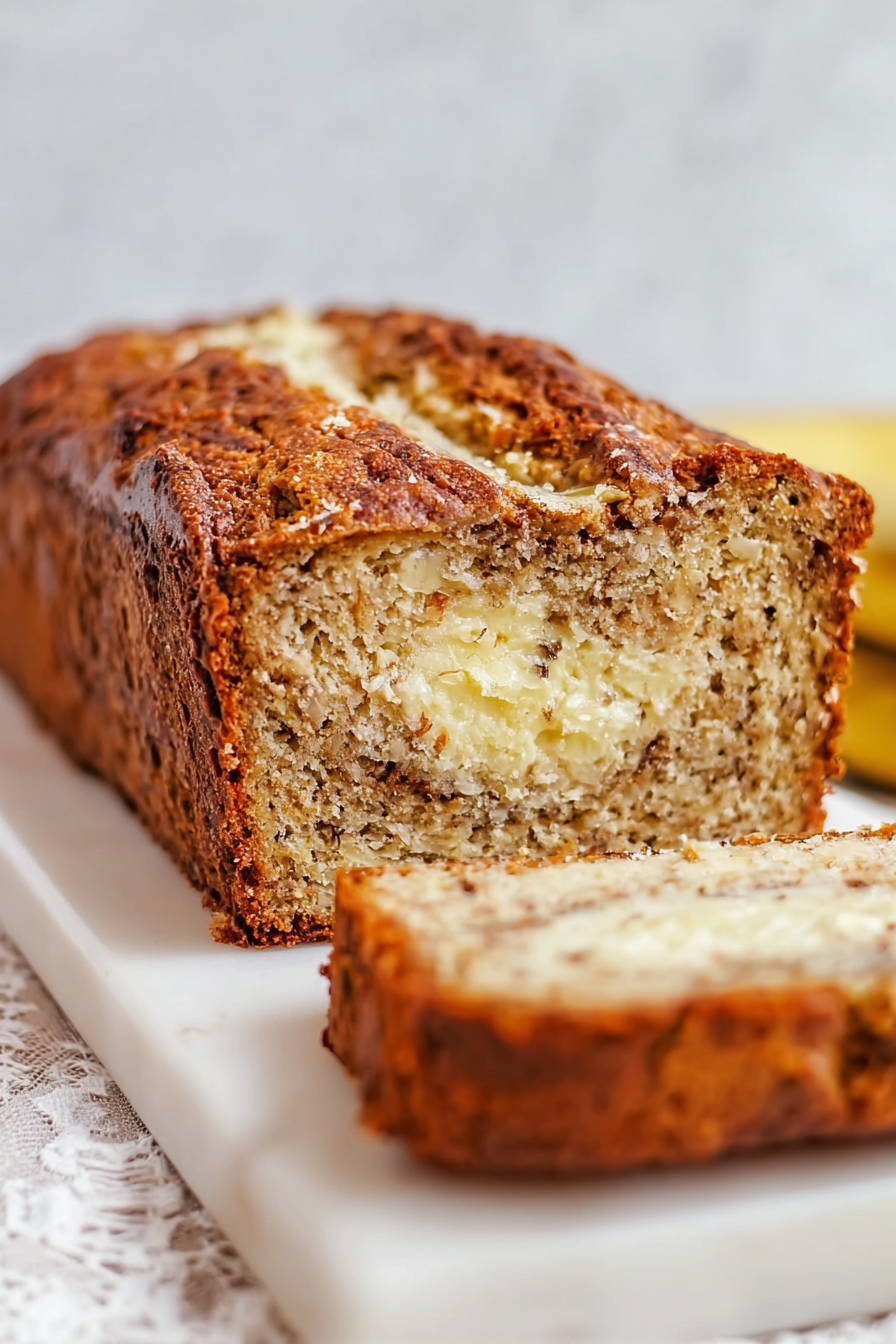
    But here’s the thing. I found a way to make it even better. And I’m not exaggerating when I say this cream cheese version changed everything for me.

    I’ve been baking banana bread since college. Had my go-to recipe memorized. Made it probably a hundred times. Then one day, I decided to throw in a cream cheese swirl, and wow. Just wow.

    The tangy cream cheese cuts through the sweetness perfectly. That crunchy cinnamon sugar on top? Chef’s kiss. And the best part is how easy it is to make.

    No weird ingredients. No fancy equipment. Just an hour of your time and you’ll have two beautiful loaves ready to go.

    Want to keep one and gift the other? Go for it. Want to freeze one for later? Smart move. Want to eat both yourself? I mean… I won’t tell anyone.

    Why this recipe works:

    • Stays moist for days – Thanks to ripe bananas and sour cream
    • Sweet meets tangy – That cream cheese layer is pure magic
    • Looks impressive – The swirl effect makes it seem way harder than it is
    • Makes two loaves – Perfect for sharing (or not)
    • Super beginner-friendly – If you can use a mixer, you can make this
    cream cheese banana bread

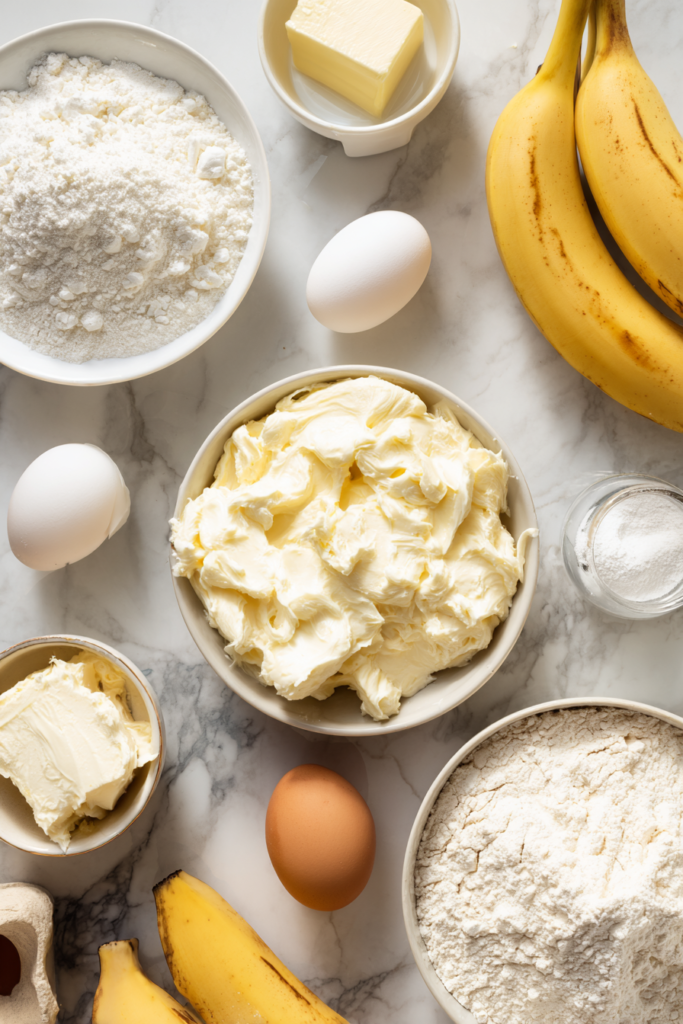
    Let’s Talk Ingredients

    Before we jump in, I want to explain what each ingredient does. It actually helps when you know the “why” behind everything.

    For the Banana Bread Base

    IngredientQuantityNotes
    Sugar1 cupCreates sweetness and helps with browning
    Unsalted butter, softened½ cupAdds richness; must be room temperature
    Eggs2Provides structure and moisture
    Ripe bananas, mashed3The riper, the better; look for brown spots
    Salt1 teaspoonEnhances all the flavors
    Baking soda1 teaspoonLeavening agent for rise
    Sour cream4 tablespoonsKeeps bread incredibly moist
    All-purpose flour2 cupsForms the bread’s structure
    Sugar (topping)1 tablespoonMixed with cinnamon for crust
    Cinnamon½ teaspoonAdds warmth to the topping

    For the Cream Cheese Filling

    IngredientQuantityNotes
    Cream cheese, softened8-10 ouncesMust be room temperature
    Sugar⅓ cupSweetens the filling
    Egg1Binds the filling together
    All-purpose flour1 tablespoonStabilizes the cream cheese layer

    Recipe Timing:

    Prep Time: 15 minutes | Cook Time: 50 minutes | Total Time: 65 minutes | Servings: 16 slices (2 loaves) | Difficulty: Easy

    Need to Make a Swap?

    Sour Cream – Plain Greek yogurt works just as well. Same tangy kick, same moisture.

    Bananas – Here’s the deal. The browner and spottier, the better. Those ugly bananas you think are trash? Those are perfect for this recipe. Under-ripe bananas just don’t cut it.

    Butter – Forgot to take it out of the fridge? Cut it into small cubes. Room temperature in minutes instead of hours.

    Cream Cheese – Stick with full-fat brick-style. The low-fat stuff has too much water. Your filling will be runny and sad.

    cream cheese banana bread

    How to Make This (Step-by-Step)

    Alright, let’s do this. I’ll walk you through it like I’m right there with you.

    Step 1: Get Your Oven Ready

    Turn your oven to 350°F.

    Do this first. Your oven needs time to heat up properly, and you’ll be busy mixing.

    Grab two 9×5-inch loaf pans. Spray them really well with cooking spray. Get in those corners. Get the edges. Trust me on this.

    Here’s a trick I learned: After spraying, dust the pans lightly with flour. Tap out the excess. This creates a double barrier against sticking, and your bread will pop right out.

    Step 2: Start the Batter

    Get your biggest mixing bowl out.

    Throw in the sugar, softened butter, and eggs. Beat them with an electric mixer until everything looks light and fluffy. Takes about two minutes on medium speed.

    Now here’s something most recipes don’t tell you.

    In a separate small bowl, dissolve your baking soda into the sour cream. Stir it well. No lumps. This step is actually important because it activates the baking soda and spreads it evenly.

    Pour this sour cream mix into your sugar and butter. Mix it up good.

    cream cheese banana bread

    Step 3: Bananas and Flour Time

    Time for those gorgeous ripe bananas.

    Add your mashed bananas to the bowl. Mix them in. The batter will look lumpy. That’s normal. That’s good, actually.

    Sprinkle in the salt. Add your flour.

    And here’s where you need to be careful.

    Mix just until you don’t see white flour streaks anymore. That’s it. Stop mixing. Overmixing makes the gluten go crazy, and you’ll end up with tough, dense bread instead of tender, fluffy goodness.

    Step 4: The Divide

    This is where things get different from regular banana bread.

    Split your batter evenly between two bowls. I use a measuring cup to make sure it’s fair.

    Take the first bowl. Divide that batter between your two loaf pans. Spread it smooth with a spatula. This is your base layer.

    Step 5: Make the Cream Cheese Magic

    In a medium bowl, combine the softened cream cheese, sugar, egg, and flour.

    Beat it until it’s completely smooth. No lumps anywhere. The consistency should remind you of thick pancake batter.

    Spoon this over the batter in both pans. Try to keep it even. Use the back of your spoon to spread it gently.

    Leave a little border around the edges. Don’t stress if it doesn’t go all the way to the sides. During baking, it spreads a bit on its own.

    Step 6: Top Layer

    Grab your second bowl of batter.

    Divide it over the cream cheese layer in both pans. Spread it gently to cover the cream cheese.

    Some cream cheese peeking through? Perfect. That’s what creates the beautiful swirl effect.

    Mix your tablespoon of sugar with the cinnamon in a tiny bowl. Sprinkle this over the top of both loaves. This is what gives you that crunchy, sweet crust everyone loves.

    cream cheese banana bread

    Step 7: Into the Oven

    Slide both pans into your oven.

    Set a timer for 50 minutes.

    Your kitchen is about to smell amazing.

    How do you know when it’s done?

    The tops should be golden brown. When you lightly touch the top, it should spring back. Stick a toothpick into the bread part (not the cream cheese layer) near the center. It should come out with a few moist crumbs but no wet batter.

    Let them cool in the pans for 10 minutes. Run a knife around the edges. Turn them out onto a cooling rack.

    Important tip: Let them cool completely before slicing.
    I know. It’s hard. The smell is incredible. You want to dig in right now.

    But cutting warm bread makes it gummy. The cream cheese layer needs time to set up properly. Be patient. It’s worth it.

    Want to Make Different Sizes?

    Mini Loaves – Use 4-5 mini loaf pans. Same layering method. Bake for 30-35 minutes instead.

    Muffins – Fill muffin tins one-quarter full. Add a spoonful of cream cheese filling. Top with more batter. Bake for 25 minutes. Makes about 18 muffins.

    Bundt Pan – Layer half the batter, all the cream cheese, then the rest of the batter in a greased bundt pan. Bake for 60 minutes.

    How to Store This

    Keeping It Fresh

    Put your bread in an airtight container or resealable bag.

    Keep it in the fridge.

    It’ll stay fresh for up to a week.

    For longer storage, wrap each loaf tight in plastic wrap. Then wrap it again in aluminum foil. Freeze for up to three months. When you want it, thaw it overnight in the fridge.

    Ways to Enjoy It

    Sure, it’s great on its own. But here are my favorite ways to eat this:

    • Toast a slice and let butter melt into it
    • Top with fresh berries and whipped cream for dessert
    • Have it with your morning coffee
    • Make French toast with it (seriously amazing)
    • Warm it slightly and top with vanilla ice cream

    Things That’ll Help You Succeed

    Room temperature ingredients – This matters more than you think. Butter, cream cheese, and eggs should all be at room temp. Everything mixes smoother. No lumps.

    Ripe bananas – The blacker, the better. Really. Those bananas you’re about to throw away? Those are perfect. They’re sweeter and easier to mash.

    Don’t overmix – Once flour goes in, mix just until combined. A few streaks of flour? They’ll disappear when it bakes.

    Check early – Ovens vary a lot. Start checking at 45 minutes. Better to catch it early than overbake it.

    Questions You Might Have

    Can I use frozen bananas?

    Yes! Just thaw them completely first. Drain any extra liquid. Frozen bananas actually work great because they’re usually super ripe when you freeze them.

    Why did my cream cheese sink?

    Usually happens when the cream cheese mix is too thin. Or if you overmixed the batter. Make sure your cream cheese is softened but not melted. The flour in the filling helps keep it stable.

    What about reduced-fat cream cheese?

    Stick with full-fat. The reduced-fat stuff has way more water. It won’t set up right. Your filling will be runny and won’t have the same texture or flavor.

    How do I know it’s done without cutting it?

    Stick a toothpick into the bread part. Not the cream cheese layer. Near the center. It should come out with a few moist crumbs but no wet batter. The top should spring back when you press it lightly.

    Can I add nuts or chocolate chips?

    Absolutely! Fold in ½ cup of chopped pecans, walnuts, or chocolate chips into the batter before you divide it. Sprinkle some on top too for looks.

    This cream cheese banana bread has become my secret weapon.

    When I want to impress someone? I make this.

    When my family needs a treat? This is it.

    The sweet banana bread with that tangy cream cheese swirl running through it… it looks like you slaved away in the kitchen for hours. But you and I know the truth. It’s actually pretty simple.

    There’s something special about pulling those golden loaves from the oven. Seeing that perfect cream cheese ribbon when you slice into it. Watching people’s faces when they take their first bite.

    Go make it. You won’t regret it.

    Cream Cheese Banana Bread

    Cream Cheese Banana Bread

    This moist banana bread features a tangy cream cheese swirl and crunchy cinnamon sugar topping. Makes two beautiful loaves perfect for sharing or freezing.
    Prep Time 15 minutes
    Cook Time 50 minutes
    Total Time 1 hour 5 minutes
    Servings: 16 slices
    Course: Breakfast, Dessert
    Cuisine: American
    Calories: 285

    Ingredients
      

    Banana Bread Base
    • 1 cup sugar
    • 1/2 cup unsalted butter softened
    • 2 eggs
    • 3 ripe bananas mashed
    • 1 teaspoon salt
    • 1 teaspoon baking soda
    • 4 tablespoons sour cream
    • 2 cups all-purpose flour
    Topping
    • 1 tablespoon sugar
    • 1/2 teaspoon cinnamon
    Cream Cheese Filling
    • 8-10 ounces cream cheese softened
    • 1/3 cup sugar
    • 1 egg
    • 1 tablespoon all-purpose flour

    Method
     

    1. Preheat oven to 350°F. Spray two 9×5-inch loaf pans with cooking spray and dust lightly with flour.
    2. In a large mixing bowl, beat together sugar, softened butter, and eggs with an electric mixer until light and fluffy, about 2 minutes.
    3. In a small bowl, dissolve baking soda into sour cream, stirring well. Pour into the sugar-butter mixture and mix well.
    4. Add mashed bananas and mix until combined. Add salt and flour, mixing just until no white flour streaks remain. Do not overmix.
    5. Divide batter evenly between two bowls. Pour the first bowl of batter into the two prepared loaf pans, spreading evenly.
    6. In a medium bowl, beat together softened cream cheese, sugar, egg, and flour until completely smooth. Spoon over batter in both pans, spreading gently and leaving a small border around edges.
    7. Divide the second bowl of batter over the cream cheese layer in both pans, spreading gently to cover.
    8. Mix together 1 tablespoon sugar and cinnamon. Sprinkle over the top of both loaves.
    9. Bake for 50 minutes, or until tops are golden brown and a toothpick inserted into the bread (not cream cheese layer) comes out with moist crumbs but no wet batter.
    10. Cool in pans for 10 minutes. Run a knife around edges and turn out onto a cooling rack. Let cool completely before slicing.
    Notes

    Storage: Store in an airtight container in the refrigerator for up to 1 week. To freeze, wrap each loaf tightly in plastic wrap, then aluminum foil. Freeze for up to 3 months. Thaw overnight in refrigerator.
    Substitutions: Sour cream can be replaced with plain Greek yogurt. Use full-fat brick-style cream cheese only (not reduced-fat). Butter and cream cheese must be at room temperature for best results.
    Variations: Add 1/2 cup chopped pecans, walnuts, or chocolate chips to batter. Can be made as mini loaves (30-35 minutes), muffins (25 minutes), or bundt cake (60 minutes).
  • Easy Cinnamon Swirl Bread Recipe (No Yeast!) – 1 Hour

    Easy Cinnamon Swirl Bread Recipe (No Yeast!) – 1 Hour

    You know that moment when you slice into a loaf of cinnamon swirl bread?

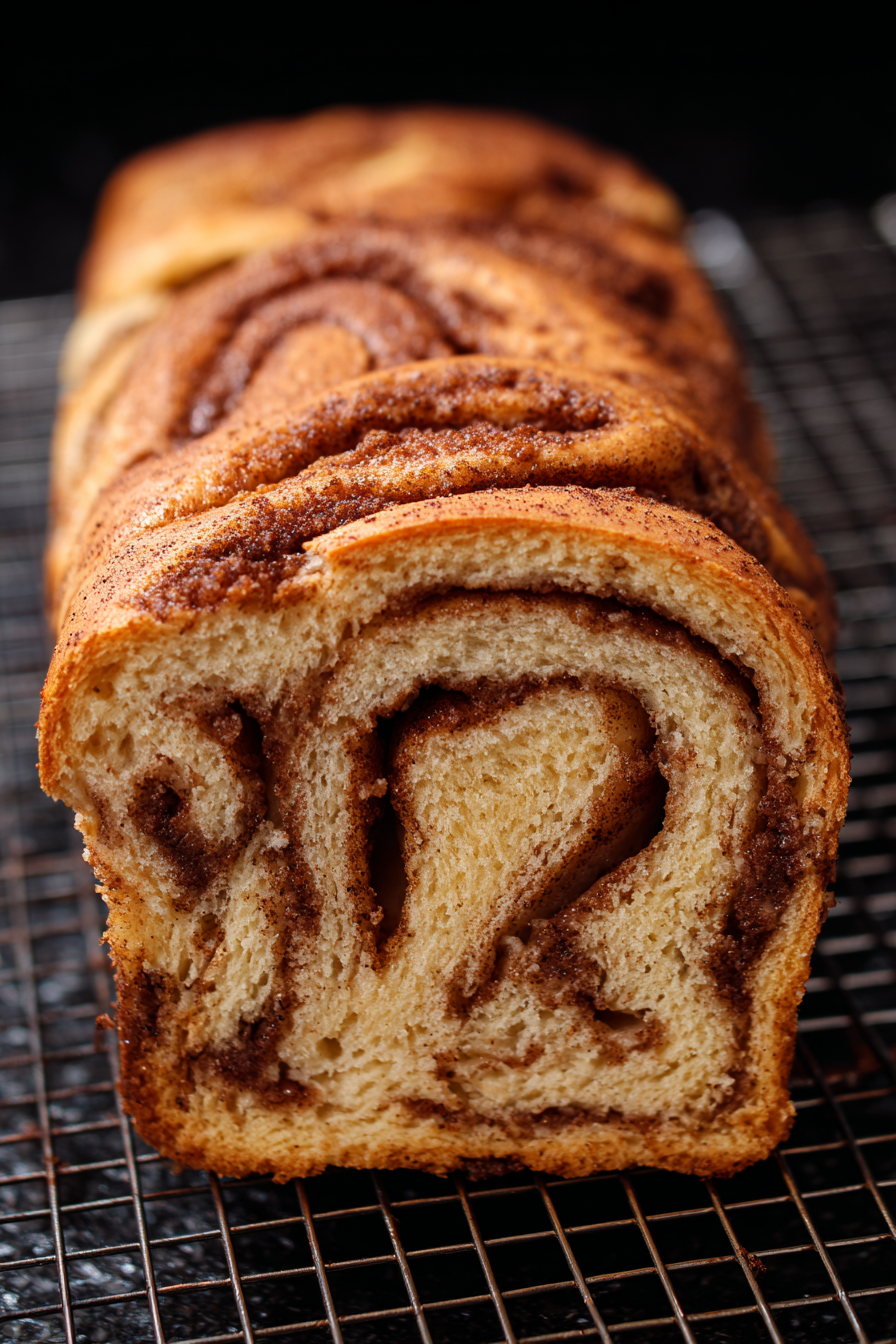
    Those gorgeous ribbons of cinnamon weaving through soft, tender crumb… chef’s kiss. Pure breakfast magic.

    I’m about to share my favorite quick bread recipe with you. No yeast. No fancy techniques. Just simple ingredients and about an hour of your time.

    Here’s what I love about this bread. While traditional cinnamon breads keep you waiting around for dough to rise (and rise again), this version? It comes together fast. We’re using baking powder and baking soda instead of yeast. Which means less waiting, more eating.

    cinnamon swirl bread

    The swirl pattern in each slice looks like something from a fancy bakery. But between you and me? It’s surprisingly easy to pull off. Even if you’re new to baking.

    I spent way too many weekends testing this recipe. My goal was simple. Create a foolproof cinnamon bread that works every single time. No matter who’s making it.

    Mission accomplished.

    Why This Recipe Works So Well

    This bread hits differently than other quick breads I’ve made.

    First off, it stays incredibly moist. The combo of milk and oil? That’s the secret. Your bread will still taste fresh three days later.

    The flavor sits right in that sweet spot. Sweet enough to feel like a treat. But not so sugary you can’t enjoy it with your morning coffee. And that cinnamon smell while it’s baking? Your whole house will smell amazing.

    Time-wise, we’re talking just over an hour from start to finish. But here’s the thing. You’re only actually working for about 15 minutes. The oven does the rest.

    cinnamon swirl bread

    Want to know my favorite part?

    This bread is versatile as heck. I’ve served it:

    • Warm with butter for breakfast
    • Toasted with cream cheese for afternoon snacks
    • As French toast on lazy Sundays
    • Cut into cubes for bread pudding

    The possibilities? Endless.

    What You’ll Need

    Let me walk you through the ingredients. Understanding what each one does will help you nail this recipe.

    IngredientQuantityNotes
    All-purpose flour2 cupsSpoon it into your measuring cup (don’t scoop!)
    Granulated sugar1 cupMakes the batter sweet
    Baking soda1 teaspoonReacts with the acid
    Baking powder1½ teaspoonsGives extra lift
    Salt½ teaspoonBrings out all the flavors
    Ground cinnamon1 tablespoonFor the batter
    2% milk1 cupWhole milk works great too
    Lemon juice1 tablespoonMakes instant buttermilk
    Vegetable oil⅓ cupKeeps everything moist
    Vanilla extract1 teaspoonUse the real stuff
    Large eggs2Room temp is best
    Brown sugar6 tablespoonsFor that gorgeous swirl
    Ground cinnamon1½ tablespoonsMore cinnamon = better
    Melted butter2 tablespoonsHolds the swirl together

    Recipe Timing:
    Prep Time: 15 minutes | Cook Time: 50 minutes | Total Time: 1 hour 5 minutes
    Servings: 10 slices | Difficulty: Easy

    The Science Behind the Ingredients

    Okay, quick baking lesson.

    Flour creates structure. I always use all-purpose for this recipe. It gives you that perfect balance between tender and sturdy.

    Pro tip: Spoon your flour into the measuring cup. Don’t scoop straight from the bag. Scooping packs way too much flour in there. Then you end up with dense, heavy bread. Nobody wants that.

    cinnamon swirl bread

    Sugar does more than just sweeten things up. It tenderizes the crumb. Helps create that beautiful golden-brown color. And mixing white sugar in the batter with brown sugar in the swirl? That’s where the depth of flavor comes from.

    The baking soda and baking powder team up for the perfect rise. Baking soda reacts with the lemon juice (that’s the acid). Baking powder provides backup lift throughout baking. Together they make your bread rise evenly with that nice domed top.

    Now here’s a neat trick. Milk plus lemon juice equals instant buttermilk. Let it sit for five minutes. The acid makes the milk curdle slightly. This creates that tangy richness you get from real buttermilk. Plus it keeps your bread tender and moist for days.

    Why oil instead of butter?

    Oil stays liquid. It coats those flour proteins and stops them from forming tough gluten strands. Result? Softer, more tender bread. I usually use vegetable oil, but canola works just as well.

    Let’s Make This Bread

    Time to get baking. I’ll walk you through every step.

    Getting Ready

    Crank your oven to 350°F. Do this first. You want it fully heated before your batter’s ready.

    Grab your 9×5-inch loaf pan. Spray it really well with nonstick baking spray (the kind with flour in it). Or grease it with butter, then dust with flour. Tap out the extra.

    Trust me on this. Good pan prep means your gorgeous loaf won’t stick.

    Making the Batter

    Get a medium bowl. Toss in your flour, sugar, baking soda, baking powder, salt, and one tablespoon of cinnamon. Whisk hard for 30 seconds.

    This step matters more than you think. It spreads those leaveners evenly through the flour. Even rise = better bread.

    In a big bowl, mix your milk and lemon juice. Set a timer for five minutes. Walk away.

    When you come back, the milk will look a bit curdled. Perfect! That’s exactly what we want.

    Add your oil, vanilla, and eggs to the milk mixture. Whisk until smooth.

    cinnamon swirl bread

    Here comes the important part.

    Add your dry stuff to the wet stuff. Do it in three batches. After each batch, stir just until the flour disappears. Then stop.

    I know it’s tempting to keep mixing. Don’t. Overmixed quick bread = tough bread. See a few lumps? That’s fine. They’ll bake out.

    The Swirl Magic

    Mix your brown sugar, remaining cinnamon, and melted butter in a small bowl. You want a thick paste. Spreadable but not runny.

    Too thick? Add just a touch more melted butter.

    Pour half your batter into the pan. Spread it evenly. Take a spoon and make three straight lines of cinnamon mixture down the length of the pan. Space them out evenly.

    Now the fun part.

    Turn your pan 90 degrees. Those lines now run side to side, right? Grab a toothpick or skewer. Make S-shapes through the batter. Or figure-eights. Whatever feels natural.

    Move from one end to the other. Three or four swirls total. That’s it.

    Stop there. Too much swirling mixes everything together. You lose those pretty ribbons.

    Add the rest of your batter on top. Carefully. You don’t want to mess up those swirls underneath. Make three more lines of cinnamon mixture on top. Turn the pan sideways again. Swirl one more time.

    This double-layer thing? That’s how you get swirls throughout the whole loaf.

    Baking Time

    Slide your pan into the center of the oven. Set your timer for 50 minutes. Don’t peek!

    After 50 minutes, stick a toothpick in the center. It should come out clean. Or with just a few moist crumbs.

    Top browning too fast but center’s not done? Tent some foil over it. Keep baking. The inside should hit about 200°F when it’s ready.

    Every oven’s different. Yours might take five minutes more or less. No big deal.

    Let it cool in the pan for exactly 10 minutes. Not longer. Quick breads stick if you wait too long. Run a knife around the edges. Flip it onto a cooling rack.

    Your beautiful golden loaf should pop right out.

    cinnamon swirl bread

    Storing and Serving

    Once your bread’s completely cool, wrap it tight in plastic wrap. Sits happily on your counter for three days. That oil keeps it moist and fresh.

    Need it to last longer? Stick it in the fridge for up to a week.

    Freezing works great too. I do it all the time.

    Wrap the cooled loaf in plastic wrap. Then wrap it again in foil. Write the date on it. Freezes for three months easy.

    Here’s a smart trick. Slice the whole loaf before freezing. Put parchment paper between each slice. Then wrap and freeze. Now you can grab single slices whenever you want. Toast them straight from frozen for quick breakfast.

    Ways I love serving this:

    • Plain (let that cinnamon shine)
    • With softened butter (classic)
    • Spread with cream cheese (tangy and delicious)
    • Toasted with berries on top
    • As French toast (seriously, try this)

    Your Questions Answered

    Can I skip the lemon juice?

    Yep. Just use one cup of actual buttermilk instead of the milk and lemon juice combo. Both work the same way. They create that acid needed for leavening and tenderness.

    Don’t have buttermilk either? Thin some plain yogurt with a little milk. Works like a charm.

    My cinnamon swirl disappeared. What happened?

    Usually means two things. Either your swirl mixture was too thin, or you overmixed the batter.

    The cinnamon mixture needs to be thick and paste-like. Use the exact amount of butter I listed. When you’re swirling, be gentle. Just three or four passes through the batter. That’s it.

    Too much swirling blends everything together. You lose those distinct ribbons.

    Can I add nuts or dried fruit?

    Absolutely! Fold in up to half a cup when you’re done mixing the batter. Right before it goes in the pan.

    Good options:

    • Chopped pecans or walnuts
    • Raisins
    • Dried cranberries
    • Chopped dates

    Keep it under half a cup though. Too much weighs down the batter. Then it won’t rise properly.

    My bread cracked on top. Did I mess up?

    Nope! That crack is totally normal. Actually, it’s a good sign.

    Quick bread rises fast in the oven. The center takes longest to set. So it keeps expanding after the edges firm up. That creates the crack.

    It means your leavening worked perfectly. Some bakers even score a line down the center before baking. Controls where the crack forms.

    How do I know when it’s really done?

    The toothpick test is your friend. Stick a toothpick in the center. Avoid the cinnamon swirl areas. It should come out clean or with just a few moist crumbs.

    Wet batter on the toothpick? Needs more time.

    The top should be golden brown. Should spring back when you touch it lightly. An instant-read thermometer should read around 200°F in the center.

    This bread checks every box for me. Simple enough if you’re new to baking. Impressive enough if you’ve been doing this for years.

    That tender crumb. Those beautiful swirls. The way your kitchen smells while it bakes.

    Perfect for breakfast. Great for brunch. Works as dessert.

    Give it a shot. I bet it becomes one of your go-to recipes. Mine sure is.

    Cinnamon Swirl Quick Bread

    Easy Cinnamon Swirl Quick Bread

    This quick cinnamon swirl bread recipe uses baking powder instead of yeast for a gorgeous bakery-style loaf in just over an hour. Perfect swirls every time!
    Prep Time 15 minutes
    Cook Time 50 minutes
    Total Time 1 hour 5 minutes
    Servings: 10 slices
    Course: Breakfast, Dessert
    Cuisine: American
    Calories: 285

    Ingredients
      

    Bread Batter
    • 2 cups all-purpose flour spooned into measuring cup
    • 1 cup granulated sugar
    • 1 teaspoon baking soda
    • 1.5 teaspoons baking powder
    • 0.5 teaspoon salt
    • 1 tablespoon ground cinnamon
    • 1 cup 2% milk whole milk works too
    • 1 tablespoon lemon juice
    • 1/3 cup vegetable oil
    • 1 teaspoon vanilla extract use real vanilla
    • 2 large eggs room temperature
    Cinnamon Swirl
    • 6 tablespoons brown sugar
    • 1.5 tablespoons ground cinnamon
    • 2 tablespoons butter melted

    Method
     

    1. Preheat oven to 350°F. Grease a 9×5-inch loaf pan with nonstick baking spray or butter and flour.
    2. In a medium bowl, whisk together flour, granulated sugar, baking soda, baking powder, salt, and 1 tablespoon cinnamon for 30 seconds.
    3. In a large bowl, combine milk and lemon juice. Let sit for 5 minutes until slightly curdled.
    4. Add oil, vanilla, and eggs to the milk mixture. Whisk until smooth.
    5. Add dry ingredients to wet ingredients in three batches, stirring just until flour disappears after each addition. Don’t overmix – a few lumps are fine.
    6. In a small bowl, mix brown sugar, 1.5 tablespoons cinnamon, and melted butter to form a thick paste.
    7. Pour half the batter into prepared pan. Make three lines of cinnamon mixture down the length of the pan.
    8. Turn pan 90 degrees. Using a toothpick or skewer, make 3-4 S-shapes or figure-eights through the batter to create swirls. Don’t over-swirl.
    9. Carefully add remaining batter on top. Make three more lines of cinnamon mixture. Turn pan sideways and swirl once more.
    10. Bake for 50 minutes or until a toothpick inserted in center comes out clean or with just a few moist crumbs. Internal temperature should reach 200°F.
    11. Cool in pan for exactly 10 minutes, then run a knife around edges and turn out onto a cooling rack.

    Notes

    Storage: Wrap cooled bread in plastic wrap and store at room temperature for 3 days, refrigerate for up to 1 week, or freeze for up to 3 months.
    Buttermilk substitute: Use 1 cup buttermilk instead of milk and lemon juice.
    Add-ins: Fold in up to 1/2 cup chopped nuts or dried fruit before pouring into pan.
    Top cracking is normal: The crack down the center is a sign of proper leavening.
  • High Protein Breakfast Burritos Recipe (Easy & Filling)

    High Protein Breakfast Burritos Recipe (Easy & Filling)

    Fluffy eggs. Crispy bacon. Savory sausage. All wrapped in a warm tortilla.

    That’s what we’re making today. And honestly? These breakfast burritos are going to save your mornings.

    high protein breakfast burritos

    Table of Contents

    Why You Need These Breakfast Burritos in Your Life

    Look, I get it. Mornings are chaos.

    You need something that fuels your day but doesn’t chain you to the stove. That’s exactly what these burritos do.

    We’re talking eggs, bacon, and sausage wrapped in a soft tortilla. Takes less than 30 minutes. Keeps you full for hours.

    Here’s what makes them work:

    Each burrito packs around 25 grams of protein. That’s real fuel for your muscles. The eggs give you complete protein—all those amino acids your body actually needs. The bacon and sausage bump it up even higher while making everything taste amazing. And the melted cheddar? Creates these pockets of creamy goodness throughout.

    The versatility is the real winner here.

    Lazy weekend? Make them fresh.

    Busy Tuesday morning? Grab one from the freezer.

    They freeze like a dream. Stay good for weeks. Just pop one in the microwave and you’re done. Restaurant quality without the restaurant prices.

    The flavor combination just works. Smoky meat with mild, fluffy eggs. Salt and pepper keep everything balanced. Not too much. Not too little.

    That first bite? Pure comfort. And the protein keeps you going until lunch.

    Who loves these?

    Parents with crazy schedules (kids actually eat them without complaining).

    Gym people who track their macros.

    Anyone who needs breakfast but doesn’t have time for breakfast.

    You’re getting homemade quality without losing your mind in the morning.

    high protein breakfast burritos

    What You Actually Need

    Nothing fancy here. Just solid ingredients that work together.

    You’ll find everything at your regular grocery store. No hunting required.

    Breaking Down Each Ingredient

    Eggs are your base.

    Six large ones make enough for four burritos. When you whisk them right, they come out fluffy and light. Packed with protein but not crazy on calories.

    Milk makes them creamy.

    Quarter cup. That’s it. But man, does it make a difference. Takes your eggs from “fine” to “where did you learn to cook like this?” Whole milk is best, but any type works.

    Sausage and bacon bring the flavor.

    Half cup of each. Enough to taste but not so much it overwhelms the eggs. You get bacon’s smoky crispiness and sausage’s savory richness. Using pre-cooked saves you tons of time.

    Cheddar cheese melts into everything.

    Gets all gooey in the hot eggs. Sharp cheddar has way more flavor than mild. Buy a block and shred it yourself—pre-shredded doesn’t melt the same. Trust me. The cheese also helps hold everything together.

    Flour tortillas wrap it all up.

    Big burrito-size ones. They hold the filling without falling apart. Neutral flavor lets the good stuff shine. Warm them before rolling and they won’t crack on you.

    Quick Timing Breakdown

    TimingDuration
    Prep Time10 minutes
    Cook Time15 minutes
    Total Time25 minutes
    Servings4 burritos
    DifficultyEasy

    Everything You Need (Exact Amounts)

    IngredientQuantityNotes
    Large eggs6Room temperature works best
    Milk¼ cupAny milk variety acceptable
    Salt½ teaspoonAdjust to taste preference
    Black pepper¼ teaspoonFreshly ground preferred
    Olive oil1 tablespoonFor cooking eggs
    Cooked sausage½ cupCrumbled into small pieces
    Cooked bacon½ cupCrumbled, not too fine
    Shredded cheddar½ cupSharp cheddar recommended
    Flour tortillas4 largeBurrito-size preferred

    Want to Switch Things Up?

    Swap stuff based on what you need or what you’re feeling.

    Trying to be healthier?

    Whole wheat tortillas add fiber. Taste nuttier but work great. Turkey bacon and sausage cut the fat way down. Similar flavors, fewer calories.

    Vegetarian or vegan?

    Plant-based options actually work these days. The textures are pretty close. For vegan, use tofu scramble instead of eggs.

    No dairy?

    Nutritional yeast gives you cheesy flavor without cheese. Vegan cheese shreds melt almost as well. Try a few brands and see what you like.

    Boost the nutrition:

    Diced bell peppers add sweetness and crunch.

    Spinach wilts into the eggs. Iron and vitamins for the win.

    Onions caramelize beautifully. Add serious depth.

    Mushrooms bring that savory umami thing.

    Like spice?

    Red pepper flakes add heat without changing texture. Jalapeños bring fresh kick. Hot sauce works too—drizzle before serving. Smoked paprika adds color and subtle smokiness.

    high protein breakfast burritos

    Let’s Make These (Step by Step)

    Alright. Time to cook. This is straightforward. You’ll make the eggs, mix everything, then wrap it up.

    Pretty hard to mess up, honestly.

    Making the Perfect Eggs

    Crack all six eggs into your bowl.

    Add the milk. Salt. Pepper.

    Whisk hard for about 30 seconds. You want it mixed with little bubbles on top.

    Here’s where people mess up:

    Heat your skillet over medium. Add the olive oil. Swirl it around. Wait until the oil shimmers but doesn’t smoke. This is the right temperature. Gentle cooking without browning.

    Pour in your eggs.

    Don’t touch them for 15 seconds. Let the bottom start setting. Then grab your spatula. Push from the edge toward the center. Tilt the pan. Let the uncooked egg flow into the spaces.

    Keep doing this.

    Stir every 20 seconds or so.

    You’ll get these big, soft curds. The eggs should look shiny and slightly wet when they’re almost done. Pull them off heat while they still look a bit undercooked.

    Why?

    They keep cooking from the hot pan. This stops them from getting dry and rubbery.

    Trust it. They’ll finish perfectly.

    This is how you get restaurant-quality eggs. Fluffy. Creamy. Not sad and overcooked.

    Mixing in the Proteins

    Eggs are still in the pan. Off the heat. Now immediately toss in your sausage and bacon.

    Stir gently. Get the meat spread out evenly. The heat from the eggs warms everything without drying it out.

    Throw the cheddar on top.

    Fold it in. Gentle movements. The cheese starts melting from the egg heat. You want pockets of melted cheese—not completely mixed in.

    Taste it right now.

    Need more pepper? Add it. Want more salt? Go for it. This is when you dial it in before rolling.

    The filling should look mixed but not uniform. You’ll see eggs. Chunks of meat. Melted cheese. All hanging out together. Each thing stays recognizable.

    That’s what gives you different textures in every bite.

    high protein breakfast burritos

    Rolling Like You Know What You’re Doing

    Warm your tortillas first.

    Throw each one in a dry skillet for 10 seconds per side. They get bendable and slightly toasted. Or microwave for 15 seconds in a damp paper towel.

    Lay one tortilla on your counter.

    Spoon a quarter of the filling in the center. Make a horizontal line. Leave about 2 inches on each side empty. Three inches at top and bottom. This space stops everything from exploding out when you roll.

    The folding move:

    Fold the bottom edge up over the filling. Pull tight. Squeeze everything together a bit. Then fold in both sides. Makes an envelope shape. Finally, roll forward tight until sealed.

    Should wrap around with no gaps.

    Do this with the rest.

    Each burrito should feel full but not stuffed. If filling leaks out? You added too much. Use less next time.

    Want crispy edges?

    Put the burritos back in your hot skillet. Seam-side down. Cook one minute per side. You’ll get golden spots. This step is optional but adds nice texture. Outside gets crunchy. Inside stays soft and warm.

    Things I’ve Learned Making These a Million Times

    Small tricks make huge differences. These come from lots of practice. And mistakes.

    How to Get Perfect Eggs Every Time

    Temperature matters more than anything.

    Medium heat. That’s the sweet spot. Hot enough to cook. Gentle enough to stay tender. High heat makes rubbery eggs. Every time. No exceptions.

    Be patient.

    Keep your spatula moving smoothly. Think folding, not beating. This makes small, delicate curds.

    Don’t skip the milk.

    Seems minor. But that quarter cup seriously changes the texture. Makes them creamy instead of just cooked.

    Take the eggs off heat while they still look wet. They continue cooking from the pan’s heat. This prevents that dry, sad texture.

    Trust the process. They’ll finish on their own.

    Flavor Tricks That Actually Work

    Fresh cracked black pepper destroys pre-ground.

    The oils give way more flavor. A pepper grinder costs nothing but makes everything better.

    Toast your tortillas a bit.

    Those brown spots add nutty flavor. No extra ingredients. Just don’t burn them. Light golden is perfect.

    Good cheese matters. Sharp cheddar packs more punch. You can use less and get better flavor. Fewer calories, better taste.

    Here’s a sneaky move:

    Add a tiny splash of hot sauce to the eggs while cooking. Spreads the heat evenly instead of hitting in one spot. Start with a few drops. Add more if you want.

    Mistakes to Avoid

    Don’t overstuff.

    Seriously. Use a light hand. You can make extra burritos with leftover filling. Don’t try cramming everything into four.

    Cold tortillas crack.

    Always warm them. Pan or microwave. Either one. This makes them flexible so they don’t tear.

    Position the filling right.

    Put it slightly below center. Not dead center. This gives you better proportions when you fold the bottom over.

    Seal the edge.

    After rolling, place it face-down in the pan right away. The slight cooking makes it stick closed. Otherwise they unroll on your plate.

    high protein breakfast burritos

    Storage and Reheating (The Meal Prep Part)

    These work perfectly for meal prep. Make a bunch. Eat all week.

    Just store them right.

    This Week’s Breakfast (Fridge)

    Get them in the fridge within two hours of making.

    Let them cool first. Stops condensation. Wrap each one in foil or plastic wrap. Keeps them from drying out.

    Extra step:

    Put wrapped burritos in an airtight container. They stay good for 3-4 days. Stack carefully so they don’t get squashed. Write the date on the container.

    For work lunches? Grab one in the morning. Most office microwaves handle this easy. The foil keeps everything contained during the commute.

    Zero mess. Zero stress.

    Next Month’s Breakfast (Freezer)

    Freezing makes them last way longer.

    Wrap each burrito tight in foil. Put all wrapped burritos in a freezer bag. Squeeze out the air. This double wrap stops freezer burn.

    Label it. What it is and when you made it. Frozen burritos stay good for 3 months.

    After that? Still safe. But quality drops. Flavors get dull. Textures change.

    Save space:

    Freeze them flat at first. Once solid, they stack nice and efficient. Way better than random shapes taking up room.

    Reheating Without Ruining Them

    Microwave (fastest option):

    Take off the foil first. Important. Wrap in a damp paper towel instead. Microwave on medium for 2-3 minutes. Flip halfway. The damp towel makes steam. Keeps eggs moist.

    Oven (best texture):

    Heat to 350°F. Wrap burritos in foil. Put on a baking sheet. Cook for 20-25 minutes from frozen. Or 12-15 minutes from the fridge. They come out hot all the way through with slightly crispy outsides.

    Skillet (good middle option):

    Heat a dry pan over medium-low. Add the burrito. Cover with a lid. Cook 4 minutes per side. Check often. The lid traps steam. The pan adds crispness. Works great for fridge ones.

    Air fryer (restaurant results):

    Set to 350°F. Cook 8-10 minutes from frozen. Don’t wrap them. The air crisps the outside while heating the inside. Flip once halfway through.

    What to Serve on the Side

    These work on their own. But sides make it feel complete.

    Balance the richness with fresh stuff.

    Fresh salsa.

    Cool and crisp against the warm burrito. Tomato-based is classic. Fruit salsas like mango add surprise sweetness. Put it in a small bowl for dipping.

    Avocado or guacamole.

    Healthy fats. Creamy texture. Looks good. Tastes better. Make quick guac by mashing avocado with lime and salt.

    Sour cream or Greek yogurt.

    Tangy and cool. Greek yogurt adds protein. Tastes almost like sour cream. Drizzle on top or serve on the side.

    Hot sauce for everyone.

    Let people pick their heat level. Have mild, medium, and hot. Covers everyone’s preference. A few drops changes everything.

    Fresh fruit.

    Balances the savory. Berries, melon, or citrus work great. The juicy bits refresh your mouth between bites.

    Hash browns or potatoes.

    Crispy potatoes contrast the soft burrito. Season with salt and pepper. Or add herbs if you’re feeling fancy.

    Coffee or juice.

    Strong coffee cuts through the richness. Orange juice gives you vitamin C and brightness. Cold milk works too, especially for kids.

    Questions Everyone Asks

    Can I make these ahead?

    Yep. Make the filling up to two days ahead. Keep it in the fridge. Roll burritos when you need them. Or wrap finished burritos for later. Both work great.

    How do I stop them from getting soggy?

    Cook eggs until just done. Not watery. Let the filling cool a bit before wrapping. Don’t put watery stuff like fresh tomatoes or salsa inside. Keep those on the side.

    How much protein is in each one?

    About 25 grams per burrito. Comes from six eggs (36g total), sausage (8g), bacon (8g), and cheese (6g), split four ways. Add more protein stuff to bump it up.

    Can I use just egg whites?

    Sure. Texture and flavor change though. Use ten egg whites instead of six whole eggs. Leaner but less creamy. Add extra milk to make up for the missing yolk.

    What veggies work best?

    Bell peppers, onions, spinach, and mushrooms all work great. Cook them first to get rid of extra moisture. Skip watery veggies like tomatoes or zucchini unless you cook them really well. Fresh herbs like cilantro add brightness at the end.

    More Protein Breakfast Ideas

    Want to mix it up?

    Breakfast bowls skip the tortilla. Layer eggs, meat, cheese, and veggies in a bowl. Top with avocado and salsa. Fork-friendly and just as good.

    Egg muffins are individual portions. Whisk eggs with your mix-ins. Pour into muffin tins. Bake. They freeze great. Reheat in seconds.

    Protein pancakes use oats, eggs, and protein powder. Fluffy. Filling. Actually tasty. Top with nut butter for more protein.

    Breakfast sandwiches give you handheld with different vibes. Use English muffins or bagels instead of tortillas. Same idea. Different taste.

    Final Thoughts

    These breakfast burritos need to be in your regular rotation.

    They’ve got protein. Flavor. Convenience. Everything you actually need in a morning meal.

    Simple ingredients come together fast but taste complex.

    Feeding teenagers? Check. Fueling workouts? Check. Just want something good? Covered.

    Make them fresh or batch cook for the week. Either way works. You’ll have satisfying breakfasts that actually keep you full.

    The flexibility is key.

    Change it up based on what you like. What you need. Swap ingredients. Adjust seasonings. Make it yours. The basic formula always works.

    Start your day with real fuel. Not junk.

    These give you energy that lasts through busy mornings. No crash. No hunger. Just steady power until lunch.

    High-Protein Breakfast Burritos

    Equipment

    • Large mixing bowl (For whisking eggs smoothly)
    • Non-stick skillet 10-inch (For cooking eggs evenly)
    • Rubber spatula (For gentle stirring)
    • Measuring cups and spoons (For accurate portions)
    • Whisk (For combining ingredients)

    Ingredients

    • 6 large eggs
    • ¼ cup milk
    • ½ teaspoon salt
    • ¼ teaspoon black pepper
    • 1 tablespoon olive oil
    • ½ cup cooked sausage (crumbled)
    • ½ cup cooked bacon (crumbled)
    • ½ cup shredded cheddar cheese
    • 4 large flour tortillas

    Instructions

    • Crack eggs into bowl, add milk, salt, and pepper. Whisk vigorously for 30 seconds until smooth.
    • Heat olive oil in skillet over medium heat. Pour in egg mixture when oil shimmers.
    • Stir eggs gently every 20 seconds, pulling from edges to center. Cook until just set but still glossy.
    • Remove from heat. Fold in crumbled sausage and bacon, mixing gently to distribute evenly.
    • Sprinkle cheese over mixture and fold in until partially melted throughout.
    • Warm each tortilla for 10 seconds per side in dry pan until pliable.
    • Spoon one-quarter of filling into center of each tortilla. Fold bottom up, sides in, then roll forward tightly.
    • Optional: Return to hot skillet seam-down, cooking 1 minute per side for crispy exterior. Serve immediately or wrap for storage.

    Notes

    Store wrapped burritos refrigerated for 3-4 days or frozen for 3 months. Reheat in microwave (2-3 minutes), oven at 350°F (20-25 minutes frozen), or air fryer at 350°F (8-10 minutes).

    High-Protein Breakfast Burritos

    High-Protein Breakfast Burritos

    Fluffy eggs, crispy bacon, and savory sausage wrapped in a warm tortilla. These high-protein breakfast burritos pack 25g of protein per serving and are perfect for meal prep.
    Prep Time 10 minutes
    Cook Time 15 minutes
    Total Time 25 minutes
    Servings: 4 burritos
    Course: Breakfast
    Cuisine: American, Mexican
    Calories: 450

    Ingredients
      

    • 6 large eggs
    • 1/4 cup milk
    • 1/2 teaspoon salt
    • 1/4 teaspoon black pepper
    • 1 tablespoon olive oil
    • 1/2 cup cooked sausage crumbled
    • 1/2 cup cooked bacon crumbled
    • 1/2 cup shredded cheddar cheese
    • 4 large flour tortillas burrito-size

    Method
     

    1. Crack eggs into bowl, add milk, salt, and pepper. Whisk vigorously for 30 seconds until smooth.
    2. Heat olive oil in skillet over medium heat. Pour in egg mixture when oil shimmers.
    3. Stir eggs gently every 20 seconds, pulling from edges to center. Cook until just set but still glossy.
    4. Remove from heat. Fold in crumbled sausage and bacon, mixing gently to distribute evenly.
    5. Sprinkle cheese over mixture and fold in until partially melted throughout.
    6. Warm each tortilla for 10 seconds per side in dry pan until pliable.
    7. Spoon one-quarter of filling into center of each tortilla. Fold bottom up, sides in, then roll forward tightly.
    8. Optional: Return to hot skillet seam-down, cooking 1 minute per side for crispy exterior. Serve immediately or wrap for storage.

    Notes

    Store wrapped burritos refrigerated for 3-4 days or frozen for 3 months. Reheat in microwave (2-3 minutes), oven at 350°F (20-25 minutes frozen), or air fryer at 350°F (8-10 minutes).
  • Citrus Grilled Chicken with Mango Salsa Recipe

    Citrus Grilled Chicken with Mango Salsa Recipe

    You know that moment when citrus hits chicken and everything just clicks?

    That’s exactly what happens here. And when you add mango salsa on top? Pure magic.

    How I Found This Recipe

    So there I was on a Tuesday night. Hungry family. Empty pantry. Well, almost empty.

    I had chicken in the fridge, a few oranges and limes rolling around, and some cilantro that was about to go bad. I thought, “What’s the worst that could happen?” and threw together a marinade.

    My family ate every single bite.

    The next week? They asked for it again. That’s when I realized I’d accidentally created something worth keeping.

    Here’s what makes it work: the bright lime paired with earthy cumin creates this depth that most quick recipes just don’t have. The honey? It balances out all that acidity perfectly.

    citrus grilled chicken

    Why You’ll Love This

    First off, it’s versatile.

    Sunny day? Throw it on the grill. Rainy evening? Pan-sear it indoors. Both methods give you tender, flavorful chicken that works whether you’re feeding the family or trying to impress guests.

    But let’s talk about that mango salsa for a second.

    It’s not just a topping. It’s what takes this from “yeah, that’s good chicken” to “wait, can I have the recipe?” The sweet mango chunks and creamy avocado create this texture contrast that honestly makes the whole dish.

    Think restaurant-quality, but in your own kitchen. In under 30 minutes.

    The Secret Sauce (Literally)

    The marinade pulls double duty:

    • It soaks the chicken with bright, zesty flavors
    • The acidity tenderizes the meat so every bite stays juicy

    Orange juice brings subtle sweetness without drowning out the lime. The soy sauce adds this umami depth that rounds everything out. And cumin? It provides warmth that makes this feel like way more than just another lemon chicken recipe.

    Here’s a trick I learned: always save some marinade before you add the raw chicken. This gives you clean basting liquid for later. It intensifies the flavor and creates a beautiful glaze on the finished chicken.

    No cross-contamination worries. Just pure flavor.

    citrus grilled chicken

    What to Serve It With

    Cilantro-lime rice is my go-to. The rice soaks up all those extra juices from the chicken and salsa. Or try coconut-lime rice if you want something slightly sweeter and creamier.

    The mango-avocado salsa isn’t optional in my book. The cool, fresh salsa against the warm, savory chicken? Each spoonful adds brightness and keeps things from feeling heavy.

    And here’s a bonus: this works great for meal prep. Cook the chicken on Sunday, portion it with rice, then add fresh salsa right before eating. The salsa stays vibrant and the chicken reheats beautifully.

    Ingredients You’ll Need

    IngredientQuantityNotes
    Boneless, skinless chicken breasts or thighs1-1/2 poundsThighs stay slightly more tender; breasts work great too
    Oranges3 wholeFor both juice and zest
    Limes3 wholeFresh provides best flavor
    Olive oil1/2 cupExtra virgin preferred
    Honey1 tablespoonBalances acidity
    Ground cumin1 teaspoonAdds warmth and depth
    Soy sauce2-1/2 tablespoonsProvides umami richness
    Minced garlic2 teaspoonsFresh is ideal
    Coarsely chopped cilantro1/4 cupDon’t chop too fine
    Salt1 teaspoonAdjust to taste
    Black pepper1/4 teaspoonFreshly ground works best
    Mango-avocado salsa1 batchSee notes for recipe link
    Cilantro-lime rice or coconut-lime riceOptionalGreat serving base

    Prep Time: 10 minutes | Cook Time: 15 minutes | Total Time: 25 minutes
    Servings: 4 | Difficulty: Easy

    citrus grilled chicken

    How to Make It (Step by Step)

    Step 1: Get Your Citrus Ready

    Grab your zester and zest those oranges and limes first. You need one teaspoon of zest from each type of fruit. Set that aside.

    Then juice everything. You’re looking for 3/4 cup orange juice and 1/3 cup lime juice.

    Fresh citrus makes a huge difference here. Bottled juice? It’ll work. But fresh? That’s where the brightness comes from.

    Step 2: Whisk Up the Marinade

    Throw everything into a medium bowl:

    • Orange juice and lime juice
    • Both zests
    • Olive oil
    • Honey
    • Cumin
    • Soy sauce
    • Garlic
    • Cilantro
    • Salt and pepper

    Whisk it all together. Keep going until the honey dissolves completely and everything looks smooth.

    Step 3: Save Some for Later

    This is important.

    Pour 1/2 cup of that marinade into a separate small bowl. Set it aside. This stays clean and safe for basting while you cook.

    The rest? Pour it into a large resealable bag.

    Step 4: Prep Your Chicken

    Trim off any excess fat from your chicken. If you’re using breasts, grab a meat mallet and pound them to even thickness.

    Why? Because even thickness means even cooking. No dry spots. No undercooked centers.

    You can also slice thicker breasts horizontally if you don’t have a mallet. Just create thinner cutlets.

    Step 5: Let It Marinate

    Drop the chicken into the bag with the marinade. Seal it up, squeeze out the extra air, and massage it gently so everything gets coated.

    Into the fridge it goes.

    Minimum 30 minutes. But honestly? Four to six hours is the sweet spot. That’s when you get the most flavor and the tenderest meat.

    Flip the bag halfway through so both sides get equal time in the marinade.

    citrus grilled chicken

    Step 6: Time to Cook

    Preheat your grill to 450°F. Lightly oil those grates.

    Pull the chicken out of the bag and toss the used marinade. Seriously, don’t use that one again.

    Place your chicken on the grill. Cook for 10-12 minutes total, flipping halfway. Every few minutes, brush on some of that reserved marinade you saved earlier.

    Here’s the deal: you need a meat thermometer. Pull the chicken when it hits exactly 165°F in the thickest part.

    Not 160°F. Not 170°F. Exactly 165°F.

    That’s the sweet spot for food safety and juicy meat.

    Step 7: Rest It (Don’t Skip This!)

    Move the cooked chicken to a clean plate. Tent it loosely with aluminum foil.

    Now wait 5-10 minutes before slicing.

    I know you’re hungry. I know it smells amazing. But those few minutes let the juices redistribute throughout the meat instead of running all over your cutting board.

    While it rests, whip up your mango-avocado salsa and cook your rice if you’re serving it.

    Then slice against the grain, arrange over rice, and top with generous scoops of salsa.

    Eat it while everything’s still warm.

    Tips That Actually Matter

    Make it even: Chicken pieces that are the same thickness cook at the same rate. Some portions won’t dry out while others are still cooking. Simple math.

    Oil those grates: Grab a paper towel, soak it in oil, and rub it on your grill grates with tongs. This one step prevents so much frustration. No sticking. Beautiful grill marks.

    Get a thermometer: Stop guessing. Undercooked chicken is dangerous. Overcooked chicken is cardboard. A $15 thermometer solves both problems.

    Baste at the end: Brush on that reserved marinade during the last few minutes only. This builds flavor without burning the honey sugars.

    Those rest minutes count: Cut the chicken immediately and watch all those flavorful juices escape. Wait 5-10 minutes and keep them where they belong—in your chicken.

    citrus grilled chicken

    Storing Leftovers

    Let the chicken cool down to room temperature first. Then stick it in an airtight container. It’ll keep in the fridge for up to 3 days.

    The mango-avocado salsa? Separate container. Use it within 1 day for best quality.

    To reheat, use a covered skillet over medium-low heat with a splash of water or broth. Or microwave in 30-second bursts until warmed through.

    Just don’t overheat it. That’s how you end up with dry chicken.

    Don’t Have a Grill? No Problem

    Oven Method: Heat your oven to 425°F. Line a baking sheet with parchment paper. Arrange the chicken and bake for about 18 minutes. Flip once halfway through. Check the temp and let it rest before serving.

    Stovetop Method: Heat 1 tablespoon of oil in a large skillet over medium-high heat. Cook the chicken 4-6 minutes per side, brushing with that reserved marinade occasionally. Move it to a plate, tent with foil, and rest for 5-10 minutes.

    Both methods work great. I’ve done this recipe all three ways depending on my mood and the weather.

    Ways to Use Leftovers

    This is where it gets fun.

    Taco Night: Shred the chicken and pile it into warm corn tortillas. Top with extra salsa. Maybe some pickled onions if you’re feeling fancy.

    Burrito Bowls: Layer cilantro-lime rice, black beans, grilled corn, and chopped chicken. Finish with lime crema and you’ve got a meal.

    Stuffed Sweet Potatoes: Split a baked sweet potato, fill it with chicken and salsa. Drizzle with hot honey if you like a little kick.

    Quick Quesadillas: Slice the chicken thin and press it with cheese between tortillas. Five minutes and you’ve got lunch.

    Meal Prep Jars: Layer romaine, corn, beans, chicken, and salsa in mason jars. Grab one on your way out the door.

    See? Way more than just a dinner plate.

    Your Questions Answered

    Can I use bottled lime juice?
    You can, but I wouldn’t recommend it. Fresh lime juice gives you that bright, vibrant flavor. Bottled stuff works in an emergency but it’s noticeably different. If you’re making this recipe, you want it to taste amazing, right? Use fresh.

    How long should I actually marinate it?
    Thirty minutes gets you decent flavor. Four to six hours? That’s where the magic happens. Don’t go past 24 hours though. The acid will start breaking down the meat texture and it gets mushy. Nobody wants mushy chicken.

    That reserved marinade—is it really safe?
    Yes! You pulled it out before adding raw chicken, remember? It never touched raw meat. Brush away without worry.

    Breasts or thighs?
    Honestly? Both work great. Thighs have more fat so they’re more forgiving if you accidentally overcook. Breasts are leaner but work perfectly when cooked to the right temp. Pick whichever you prefer.

    I hate cilantro. Now what?
    Join the club—it tastes like soap to some people. Use flat-leaf parsley instead. You’ll get similar freshness without that polarizing cilantro flavor. Problem solved.

    Nutrition Information: Nutrition values are automatically calculated and should be considered approximate.

    Citrus Grilled Chicken with Mango Salsa

    Citrus Grilled Chicken with Mango Salsa

    Juicy grilled chicken marinated in fresh orange and lime juice with cumin and honey, topped with fresh mango-avocado salsa. Ready in 30 minutes with options for grill, oven, or stovetop.
    Prep Time 10 minutes
    Cook Time 15 minutes
    Total Time 25 minutes
    Servings: 4 servings
    Course: Main Course
    Cuisine: American

    Ingredients
      

    • 1-1/2 pounds boneless, skinless chicken breasts or thighs thighs stay slightly more tender; breasts work great too
    • 3 whole oranges for both juice and zest
    • 3 whole limes fresh provides best flavor
    • 1/2 cup olive oil extra virgin preferred
    • 1 tablespoon honey balances acidity
    • 1 teaspoon ground cumin adds warmth and depth
    • 2-1/2 tablespoons soy sauce provides umami richness
    • 2 teaspoons minced garlic fresh is ideal
    • 1/4 cup coarsely chopped cilantro don’t chop too fine
    • 1 teaspoon salt adjust to taste
    • 1/4 teaspoon black pepper freshly ground works best
    For Serving
    • 1 batch mango-avocado salsa
    • cilantro-lime rice or coconut-lime rice optional, great serving base

    Method
     

    1. Zest the oranges and limes to get 1 teaspoon of zest from each type of fruit. Set aside. Then juice the fruits to get 3/4 cup orange juice and 1/3 cup lime juice.
    2. In a medium bowl, whisk together the orange juice, lime juice, orange zest, lime zest, olive oil, honey, ground cumin, soy sauce, minced garlic, chopped cilantro, salt, and black pepper. Whisk until the honey dissolves completely and the marinade is smooth.
    3. Pour 1/2 cup of the marinade into a separate small bowl and set aside for basting later. Pour the remaining marinade into a large resealable bag.
    4. Trim excess fat from the chicken. If using chicken breasts, pound them to even thickness with a meat mallet, or slice thicker breasts horizontally to create thinner cutlets.
    5. Add the chicken to the bag with marinade, seal, squeeze out extra air, and massage gently to coat. Refrigerate for at least 30 minutes, or preferably 4-6 hours for best flavor. Flip the bag halfway through marinating.
    6. Preheat grill to 450°F and lightly oil the grates. Remove chicken from marinade and discard used marinade.
    7. Place chicken on the grill and cook for 10-12 minutes total, flipping halfway through. Brush with reserved marinade every few minutes. Cook until internal temperature reaches exactly 165°F in the thickest part.
    8. Transfer cooked chicken to a clean plate and tent loosely with aluminum foil. Rest for 5-10 minutes before slicing.

    9. Slice chicken against the grain, arrange over cilantro-lime rice if using, and top with generous scoops of mango-avocado salsa. Serve warm.

    Notes

    Oven Method: Heat oven to 425°F. Line a baking sheet with parchment paper. Arrange chicken and bake for about 18 minutes, flipping once halfway through. Check temperature and rest before serving.
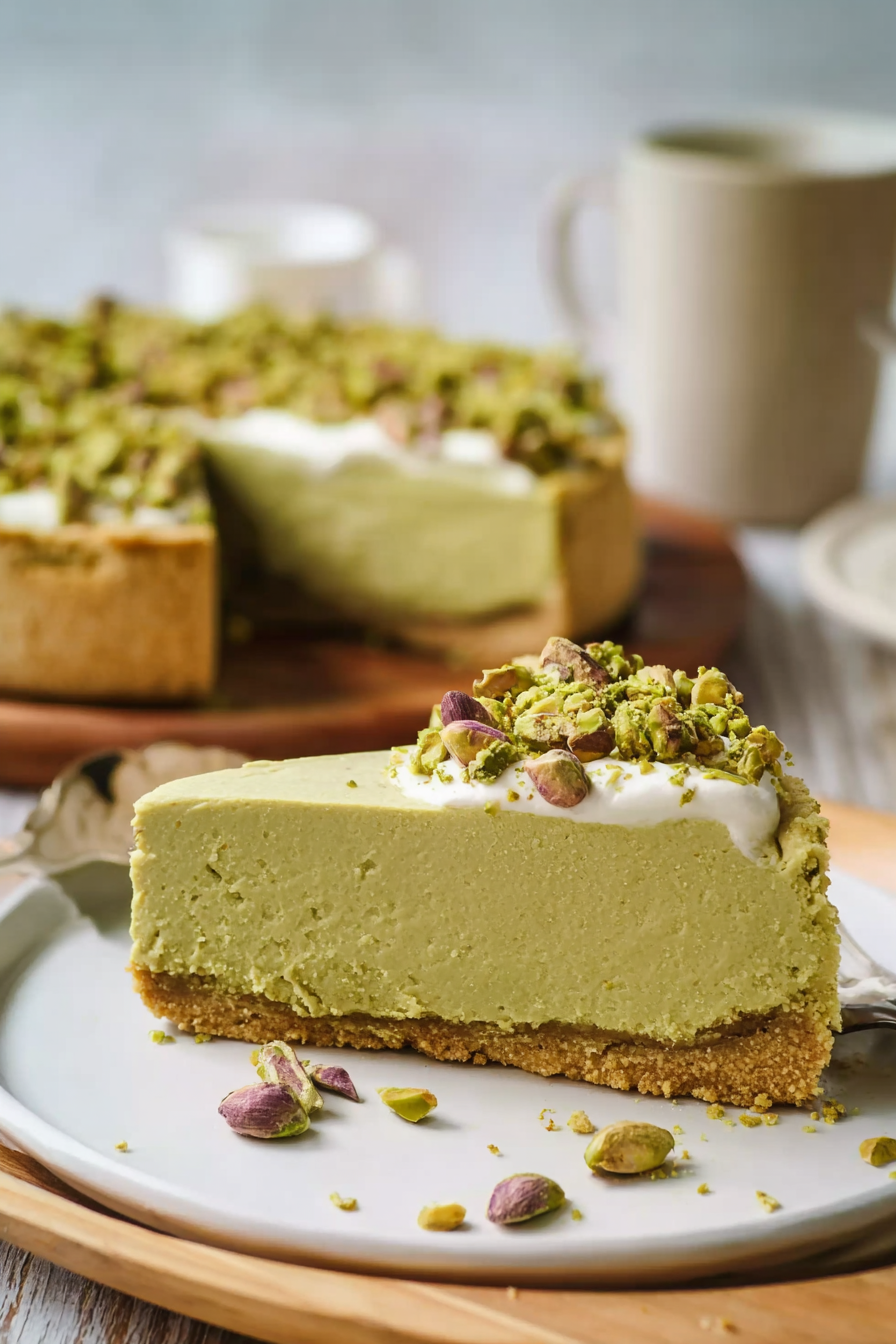
    Stovetop Method: Heat 1 tablespoon oil in a large skillet over medium-high heat. Cook chicken 4-6 minutes per side, brushing with reserved marinade occasionally. Rest for 5-10 minutes before serving.
    Storage: Store cooled chicken in an airtight container in the fridge for up to 3 days. Store mango-avocado salsa separately and use within 1 day.
    Reheating: Use a covered skillet over medium-low heat with a splash of water or broth, or microwave in 30-second bursts until warmed through.

  • Pistachio Cheesecake Recipe (Real Pistachios!)

    Pistachio Cheesecake Recipe (Real Pistachios!)

    I’ll never forget that cold winter night when I was rummaging through my pantry.

    Tucked behind the flour and sugar, I found a forgotten jar of pistachio butter. I’d bought it weeks ago and completely forgotten about it.

    That little jar changed everything.
    See, I’d been wanting to make a pistachio cheesecake for ages. But every recipe I found online used those artificial pudding mixes. You know the ones. Bright neon green. Tasting nothing like actual pistachios.
    I wanted something different. Something real.

    pistachio cheesecake

    My first try? A complete disaster.

    I used pistachio extract. It tasted like chemicals mixed with sugar. Not even close to what I was going for.

    Second attempt? I chopped up pistachios super fine and mixed them in. Better, but still wrong. The texture was grainy and weird.

    Then it hit me.

    Why not use the pistachio butter straight in the filling?

    And friends… that’s when the magic happened.

    Why You’ll Love This Recipe

    Let me be honest with you. Cheesecakes scare people.

    They crack. They sink in the middle. Sometimes they turn out rubbery and gross.

    I’ve been there. I’ve made every mistake possible.

    But here’s what I figured out:

    The secret is three simple techniques that change everything.

    First? Room temperature ingredients. All of them. No exceptions.

    Cold cream cheese = lumpy batter = lumpy cheesecake. Not good.

    Second? The water bath. I know it sounds fancy, but trust me on this.

    Third? Slow, gradual cooling. No sudden temperature changes.

    pistachio cheesecake

    That pistachio butter does something incredible to the filling.

    The natural oils keep everything insanely creamy. Like, melt-in-your-mouth creamy.

    And it stays that way for days.

    I’ve served this at probably two dozen family dinners by now. Every single time, someone pulls me aside afterward.

    “You have to give me this recipe.”

    “This must be so complicated.”

    “Where did you find those special ingredients?”

    The funny thing?

    Everything’s from a regular grocery store. The only tricky part is the pistachio butter, and even that’s easy to make at home.

    What Makes This Different

    Most pistachio cheesecake recipes take shortcuts.

    Pudding mix. Food coloring. Artificial flavoring.

    Not this one.

    This cheesecake gets its gorgeous pale green color from actual pistachios. The flavor? Pure, nutty, slightly sweet pistachio goodness.

    No fake stuff.

    I added a bit of lemon zest to mine. Just a tiny amount.

    Here’s why:

    The citrus oils wake up the pistachio flavor. They work together like best friends. Creating layers of flavor you wouldn’t get otherwise.

    But if you’re a pistachio purist? Skip the lemon. It’s totally optional.

    The graham cracker crust is my go-to. Simple, sweet, buttery.

    Though I’ve used digestive biscuits before and they work great too.

    Now, I need to be straight with you about something.

    This isn’t a quick dessert.

    You need to plan ahead. That 8-hour chill time is essential. No shortcuts there.

    But oh man… when you slice into it the next day?

    Totally worth the wait.

    Ingredients You’ll Need

    IngredientQuantityNotes
    Cookie crumbs (graham crackers or digestive)300gProcess until super fine
    Unsalted butter113g (1/2 cup)Melt it, then let it cool slightly
    Powdered sugar (crust)1 tablespoonMakes the crust a bit sweeter
    Fine sea salt (crust)PinchJust a tiny bit
    Cream cheese453g (2 bricks)Must be room temperature
    Granulated sugar200g (1 cup)The fine kind works best
    Fine sea salt (filling)1/2 teaspoonDon’t skip this
    Pure vanilla extract2 teaspoonsReal vanilla, not the fake stuff
    Pistachio butter200g (1 scant cup)Store-bought or make your own
    Sour cream240g (1 cup)Full-fat only, please
    Large eggs2Leave them out for an hour first
    Lemon zestFrom 1 lemonOptional, but I love it

    IPrep Time: 30 minutes | Cook Time: 1 hour | Chill Time: 8 hours | Total Time: 9 hours 30 minutes
    Servings: 10 | Difficulty: Intermediate

    mage Prompt 3: All ingredients laid out in small glass bowls on a white countertop, organized and measured, with whole lemons, eggs in shells, and blocks of cream cheese prominently displayed

    Making Your Own Pistachio Butter

    Can’t find pistachio butter at your store?

    No problem.

    Making it at home is actually pretty easy. Just takes a bit of time.

    Here’s how:

    Heat your oven to 350°F. Spread 8-10 oz of raw pistachios (already shelled) on a baking sheet.

    Toast them for 10 minutes. You want them hot and smelling amazing.

    The moment they come out of the oven, dump them into your food processor.

    Start blending.

    At first, nothing much happens. The pistachios turn into a coarse powder. Kind of like almond flour.

    Keep going.

    Every few minutes, stop and scrape down the sides. This is important.

    After about 10-15 minutes, something cool happens. The oils start releasing. The powder gets clumpy, then wet-looking.

    Keep blending.

    Eventually, it transforms into a smooth, pourable paste. Like natural peanut butter.

    This whole process can take up to 20 minutes. Maybe longer if your food processor isn’t super powerful.

    Be patient. It’s worth it.

    Step-by-Step Instructions

    Making the Crust

    Turn your oven to 350°F.

    Grab an 8-inch cake pan. Make sure it has tall sides. At least 3 inches.

    Cut a circle of parchment paper and line the bottom.

    In a bowl, dump your cookie crumbs, melted butter, powdered sugar, and that pinch of salt.

    Mix it up really well.

    The texture should look like wet sand at the beach. If you squeeze a handful, it should stick together.

    Now press this mixture into your pan. Bottom first, then up the sides.

    Here’s a trick I learned:

    Use the bottom of a measuring cup to pack it down tight. Really tight.

    Why? Because loose crusts crumble when you cut slices later. Not fun.

    Pop it in the oven for 10 minutes.

    When it comes out, it should smell toasty and look set.

    Let it cool completely. Seriously, wait until it’s room temperature.

    While it’s cooling, turn your oven down to 325°F.

    Creating the Filling

    This part determines whether your cheesecake turns out smooth or lumpy.

    Put your room-temperature cream cheese in a food processor or stand mixer bowl.

    Before you do anything else, grab a rubber spatula.

    Press the cream cheese hard against the sides of the bowl. Smash it around a bit.

    I know it seems weird, but this step is crucial. It breaks up lumps before they even form.

    Add the sugar and salt.

    If you’re using lemon zest (and I really think you should), rub it into the sugar with your fingers first. This releases all those citrus oils.

    Beat everything for 2-3 minutes.

    It should look completely smooth. No lumps anywhere.

    pistachio cheesecake

    Stop and scrape down the bowl. Get every corner.

    Add the vanilla and pistachio butter.

    Process again until the whole mixture turns this gorgeous pale green color. Silky smooth.

    Scrape down again.

    Now add the sour cream. Blend just until it’s mixed in. The mixture should look uniform and creamy.

    Here comes the most important part:

    Add the eggs.

    Listen carefully. This is where most people mess up.

    Pulse just until the eggs disappear into the batter. That’s it.

    No more than 30 seconds. Maybe less.

    Why?

    Because overmixing eggs pumps air into the batter. That air creates bubbles. Those bubbles cause cracks and sinking.

    The Baking Process

    Pour your filling into that cooled crust.

    Now grab a 13×9-inch baking pan. Something bigger than your cheesecake pan.

    Place your cheesecake pan inside the bigger pan.

    Carefully pour hot water into the bigger pan. Fill it until the water comes halfway up the sides of your cheesecake pan.

    This is called a water bath.

    And no, you can’t skip it.

    The water creates gentle, even heat. It protects the eggs from cooking too fast.

    Without it? You get rubbery, overcooked cheesecake. Not what we’re going for.

    Slide the whole setup into your 325°F oven.

    Set a timer for 50 minutes.

    But here’s the thing about cheesecakes…

    Time is just a guideline. Your eyes are better.

    Watch for these signs:

    • The edges look set and matte (not shiny)
    • The center still jiggles a bit when you shake the pan gently
    • No browning on top

    When you see all that? It’s done.

    Turn off the oven.

    Don’t take the cheesecake out yet.

    Crack the oven door open. I use a wooden spoon to prop it.

    Let the cheesecake hang out in there for 30 minutes.

    This slow cooling prevents cracking. Trust the process.

    After 30 minutes, close the door and wait another 15 minutes.

    Now you can take it out of the water bath.

    Set it on your counter to cool to room temperature. This takes 30-45 minutes.

    Once it’s completely cool, cover it with plastic wrap.

    Into the fridge it goes.

    Minimum 8 hours. Overnight is even better.

    I know the wait is hard. But this is when everything sets up properly. The flavors blend together. The texture becomes perfect.

    Pro Tips That Actually Matter

    Check your cream cheese. Press it with your finger. If it’s cold and firm? Wait longer. It needs to be soft.

    Scrape, scrape, scrape. Ingredients love hiding at the bottom of bowls. Check often.

    Keep that oven door closed. Every time you open it, the temperature drops. That causes problems.

    Run a knife around the edges before you refrigerate. The cheesecake contracts as it cools. If it’s stuck to the pan, it can crack.

    How to Serve This Beauty

    Honestly? This cheesecake is perfect all by itself.

    But if you want to fancy it up a bit…

    I love adding a dollop of lightly sweetened whipped cream on top of each slice. The light, airy texture plays perfectly against the dense, creamy filling.

    pistachio cheesecake

    Sometimes I’ll sprinkle crushed pistachios over everything. Extra pistachio flavor never hurt anyone.

    A drizzle of honey is nice too. Or a light chocolate ganache if you’re feeling adventurous.

    My favorite pairing? Fresh raspberries on the side.

    The tartness cuts through all that richness. It’s like they were made for each other.

    Storing Your Cheesecake

    Keep it covered in the fridge. It’ll stay good for up to a week.

    Actually, it gets better after a couple days. The flavors have time to develop.

    Want to keep it longer?

    Cut it into slices. Wrap each slice tightly in plastic wrap. Put them all in a freezer bag.

    They’ll keep for up to three months in the freezer.

    To serve, just move a slice to the fridge the night before. Let it thaw slowly.

    Your Questions Answered

    Can I use yogurt instead of sour cream?

    Yep. Greek yogurt works great. Use the full-fat kind for best results.

    Plain kefir is another good option. It has that same tangy flavor.

    What if I can’t find pistachio butter?

    Make your own using the instructions I gave earlier. It’s easier than you think.

    Some specialty stores carry it too. Look for pure pistachio butter. No added oils or sugars.

    Why did my cheesecake crack?

    Three main reasons this happens:

    • You overmixed the eggs
    • Your oven was too hot
    • You cooled it too fast

    The water bath and gradual cooling should prevent this. But sometimes cracks happen anyway. They don’t affect the taste!

    Can I use a springform pan instead?

    Sure. But here’s the thing…

    Don’t put it directly in the water bath. Springform pans can leak.

    Instead, put your water pan on the rack below your cheesecake. The steam still helps, but you avoid the leak risk.

    How do I know it’s done baking?

    Look at the edges. They should be set and matte.

    Now look at the center. Give the pan a gentle shake. The middle should jiggle like Jell-O.

    If it’s still liquid-looking, give it more time.

    Remember, it keeps cooking as it cools. So you actually want it slightly underdone when you take it out.

    The combination of creamy texture and real pistachio flavor makes this dessert absolutely incredible. I hope you love it as much as I do!

    Pistachio Cheesecake

    Pistachio Cheesecake

    Creamy pistachio cheesecake made with real pistachio butter. No artificial flavors, pudding mix, or food coloring – just pure pistachio goodness with a buttery graham cracker crust.
    Prep Time 30 minutes
    Cook Time 1 hour
    Chill Time 8 hours
    Total Time 9 hours 30 minutes
    Servings: 10 servings
    Course: Dessert
    Cuisine: American

    Ingredients
      

    Crust
    • 300 g cookie crumbs graham crackers or digestive biscuits, processed until super fine
    • 113 g unsalted butter melted and cooled slightly (1/2 cup)
    • 1 tablespoon powdered sugar
    • pinch fine sea salt
    Filling
    • 453 g cream cheese room temperature (2 bricks)
    • 200 g granulated sugar (1 cup)
    • 1/2 teaspoon fine sea salt
    • 2 teaspoons pure vanilla extract
    • 200 g pistachio butter store-bought or homemade (1 scant cup)
    • 240 g sour cream full-fat (1 cup)
    • 2 large eggs room temperature
    • 1 lemon zest optional

    Method
     

    Making the Crust
    1. Preheat oven to 350°F. Line the bottom of an 8-inch cake pan (at least 3 inches tall) with parchment paper.
    2. In a bowl, combine cookie crumbs, melted butter, powdered sugar, and salt. Mix until the texture resembles wet sand that sticks together when squeezed.
    3. Press the mixture firmly into the bottom and up the sides of the pan using the bottom of a measuring cup to pack it down tight.
    4. Bake for 10 minutes until toasty and set. Let cool completely to room temperature. Reduce oven temperature to 325°F.
    Creating the Filling
    1. Place room-temperature cream cheese in a food processor or stand mixer. Press it hard against the sides with a rubber spatula to break up lumps.
    2. If using lemon zest, rub it into the sugar with your fingers to release citrus oils. Add sugar and salt to the cream cheese.
    3. Beat for 2-3 minutes until completely smooth with no lumps. Stop and scrape down the bowl thoroughly.
    4. Add vanilla and pistachio butter. Process until the mixture turns pale green and silky smooth. Scrape down the bowl again.
    5. Add sour cream and blend just until mixed in and uniform.
    6. Add eggs and pulse just until they disappear into the batter, no more than 30 seconds. Do not overmix to avoid incorporating air bubbles.
    Baking
    1. Pour filling into the cooled crust. Place cheesecake pan inside a larger 13×9-inch baking pan.
    2. Carefully pour hot water into the larger pan until it comes halfway up the sides of the cheesecake pan (water bath method).
    3. Bake at 325°F for 50 minutes, or until edges are set and matte while the center still jiggles slightly when gently shaken. No browning on top.
    4. Turn off the oven and crack the door open (prop with a wooden spoon). Let cheesecake rest in oven for 30 minutes.
    5. Close the oven door and wait another 15 minutes. Remove from water bath and let cool to room temperature on the counter (30-45 minutes).
    6. Run a knife around the edges, cover with plastic wrap, and refrigerate for at least 8 hours or overnight before serving.

    Notes

    Making Pistachio Butter: Toast 8-10 oz shelled raw pistachios at 350°F for 10 minutes. Blend in food processor for 10-20 minutes, scraping sides frequently, until smooth and pourable.
    Storage: Keep covered in refrigerator for up to 1 week. Freeze individual slices wrapped in plastic wrap for up to 3 months.
    Serving Suggestions: Top with whipped cream, crushed pistachios, honey drizzle, or serve with fresh raspberries.
    Pan Alternative: If using a springform pan, place water pan on rack below instead of creating water bath to avoid leaks.
  • Old Fashioned Glazed Donuts Recipe (Easy & Quick!)

    Old Fashioned Glazed Donuts Recipe (Easy & Quick!)

    You know that feeling when you bite into a warm glazed donut with your morning coffee?

    The sweet glaze sticking to your lips. That soft, tender crumb just melting in your mouth.

    Pure. Comfort. Food.

    I’ve been making these Old Fashioned Glazed Donuts for years now. And honestly? I’m so excited to finally share all my secrets with you today.

    old fashioned glazed donuts

    Here’s the thing.

    When I first tried baking donuts at home, I was scared. I thought it would be super complicated. Maybe even impossible without some fancy bakery equipment.

    Boy, was I wrong!

    These beauties come together in under 30 minutes. And they taste exactly like the ones from your favorite bakery. Actually… I think they’re even better. Because you control what goes in them. The ingredients. The sweetness level. Everything.

    What makes these donuts special?

    Their cake-like texture.

    Unlike yeast donuts that need all that rising time, these use baking powder and baking soda for lift.

    The result?

    Warm donuts on your table faster than you can drive to the donut shop. Plus they’re baked, not fried. Which means way easier cleanup. (Your kitchen will thank you.)

    Why This Recipe Actually Works

    The buttermilk is the secret weapon.

    This tangy ingredient reacts with the baking soda. It creates the softest, most tender crumb you’ve ever tasted. The acidity also balances out all that sweetness from the glaze perfectly.

    I’ve tried making these with regular milk before. Trust me on this one – buttermilk makes all the difference.

    Butter and oil team up for the best texture.

    The butter brings that rich, amazing flavor. The oil keeps everything moist for days. This combo means your donuts won’t turn into hockey pucks after a few hours like some cake donuts do.

    A tiny hint of nutmeg adds magic.

    Just the smallest amount transforms these from “plain donuts” to “wow, what makes these taste so good?”

    That subtle spice reminds me of Christmas mornings. Cozy weekend breakfasts. It’s honestly the secret ingredient everyone asks about.

    The glaze? Simple perfection.

    Just powdered sugar, milk, and vanilla. That’s it.

    It sets up beautifully – not too thick, not too thin. After about 20 minutes, you get that classic glazed donut finish. Slightly firm on the outside. Still sweet and glossy.

    I love making these on Sunday mornings.

    The house is quiet. The aroma of vanilla and nutmeg starts filling the kitchen. And soon everyone’s wandering in asking, “Is breakfast ready yet?”

    These donuts bring people together, you know?

    Perfect for:

    • Birthday brunches
    • Holiday gatherings
    • Tuesday mornings when you just need something special
    old fashioned glazed donuts

    The best part?

    You don’t need fancy equipment. Just a donut pan. Don’t have one? They’re super affordable – like $10-15 at any kitchen store. And they’ll open up a whole new world of breakfast possibilities for you.

    Fair warning though.

    Once you taste these homemade donuts, store-bought ones will never hit the same again.

    What You’ll Need

    IngredientQuantityNotes
    Baking sprayAs neededFor greasing donut pan
    Butter6 tablespoonsMelted and cooled, unsalted preferred
    Canola oil2 tablespoonsVegetable oil works too
    Eggs2 largeRoom temperature is essential
    Vanilla extract2 teaspoonsPure extract recommended
    Buttermilk1¼ cups + extraRoom temperature, full-fat or low-fat
    All-purpose flour2¼ cupsSpoon and level for accuracy
    Granulated sugar¾ cupWhite sugar only
    Baking powder2 teaspoonsCheck expiration date
    Baking soda½ teaspoonFresh for best rise
    Ground nutmeg⅛ teaspoonFreshly ground if possible
    Salt¾ teaspoonFor donut batter
    For the Glaze:
    Powdered sugar4 cupsMust be sifted
    Milk or cream10-12 tablespoonsWhole milk works best
    Vanilla extract2 teaspoonsFor glaze
    Salt⅛ teaspoonBalances sweetness

    Prep Time: 10 minutes | Cook Time: 15 minutes | Total Time: 25 minutes
    Servings: 12-14 donuts | Difficulty: Easy

    Quick Notes on Ingredients

    Flour: I always grab unbleached all-purpose flour. It has the cleanest flavor. But bleached? That works totally fine if it’s what you’ve got.

    Here’s the key – measure it right.

    Spoon the flour into your measuring cup. Then level it off with a knife. This prevents you from packing in too much flour and ending up with dense, heavy donuts.

    Buttermilk: This is non-negotiable for tender donuts.

    Full-fat gives the richest taste. Low-fat works in a pinch though.

    Don’t have buttermilk? No problem. Add 1 tablespoon lemon juice to regular milk. Let it sit for 5 minutes. Boom – homemade buttermilk.

    Oil: Canola, vegetable, or any neutral oil works great.

    Just avoid olive oil or anything with a strong flavor. The oil is what keeps these donuts moist even the next day.

    Nutmeg: This tiny amount makes a huge impact.

    Want more spice? Bump it up to ¼ teaspoon. Prefer it milder? Just use a pinch. And if you can get freshly grated nutmeg – do it. The flavor is incredible.

    old fashioned glazed donuts

    How to Make These Donuts (Step by Step)

    Step 1: Get Everything Ready

    Preheat your oven to 350°F (176°C).

    Grab your donut pan and spray it generously with baking spray. And I mean generously. Get into every little crevice. This recipe makes 12-15 donuts, so have extra pans ready if you’ve got them.

    Step 2: Melt That Butter

    Pop the butter in the microwave or melt it on the stovetop.

    Then let it cool for about 5 minutes.

    Why?

    You want it liquid but not so hot that it scrambles your eggs. Room temperature is perfect.

    Step 3: Mix Your Wet Stuff

    Grab a large mixing bowl. Whisk together the cooled butter, canola oil, eggs, vanilla extract, and buttermilk.

    Whisk hard until everything’s completely combined and a little frothy. The mixture should look smooth and creamy.

    Step 4: Combine Your Dry Stuff

    In a separate large bowl, whisk together the flour, sugar, baking powder, baking soda, nutmeg, and salt.

    Make sure there are no lumps hiding in there. The mixture should be one uniform color.

    Step 5: Bring It All Together

    Pour the wet ingredients into the dry ingredients.

    Stir gently with a spatula or wooden spoon. Mix until just combined.

    The batter will be thick. A little lumpy. That’s perfect.

    Too stiff to pipe? Add an extra tablespoon or two of buttermilk.

    But here’s the thing – don’t overmix. Seriously. Your donuts will end up tough and chewy instead of tender.

    Step 6: Fill Those Pans

    Transfer your batter to a piping bag. Don’t have one? Use a large ziplock bag with one corner snipped off.

    Pipe the batter into each donut cavity. Fill them about ¾ full.

    If the batter doesn’t connect to form a complete ring, just wet your fingertip and smooth it together. Easy fix.

    old fashioned glazed donuts

    Step 7: Bake Until Golden

    Pop them in the oven for 12-14 minutes. You want them golden brown.

    How do you know they’re done?

    Stick a toothpick into a donut. It should come out clean.

    Watch carefully during those last few minutes. Overbaked donuts = dry donuts. Nobody wants that.

    Step 8: Let Them Cool

    Here’s where patience comes in.

    Let the donuts cool in the pan for 10 minutes. They’re too fragile to move right away. Trust me – I’ve tried. It doesn’t end well.

    After 10 minutes, gently flip the pan over. Tap them out onto a wire cooling rack.

    Then cool for another 15-20 minutes before glazing.

    Step 9: Make That Beautiful Glaze

    While your donuts are cooling, sift the powdered sugar into a medium bowl.

    Add milk (start with 10 tablespoons), vanilla extract, and salt. Whisk until it’s smooth and pourable.

    Too thick? Add more milk. Too thin? Add more powdered sugar.

    Easy adjustments.

    Step 10: Glaze Time

    Place parchment paper under your cooling rack. (This catches all the drips and makes cleanup way easier.)

    Dip each cooled donut into the glaze. You can coat one side or both – your choice.

    Let them sit on the rack for 20 minutes.

    The glaze will set into that classic shiny finish. Slightly firm but still sweet and delicious.

    My Best Tips for Perfect Donuts

    Get your ingredients to room temperature.

    Cold eggs and buttermilk won’t mix well with melted butter. They just don’t play nice together.

    Set everything out 30 minutes before you start baking. This small step makes a big difference.

    Stop mixing as soon as the flour disappears.

    Once you combine wet and dry ingredients, mix only until you can’t see flour anymore.

    Overmixing develops gluten. And gluten = tough, dense donuts instead of tender, fluffy ones.

    Check your baking powder and baking soda.

    These lose power over time.

    If yours are older than 6 months, grab fresh ones. Old leaveners mean flat, sad donuts.

    A kitchen scale is your friend.

    Measuring flour by weight gives you consistent results every single time.

    2¼ cups should equal about 280 grams.

    Test one donut first.

    Not sure about baking time? Test a donut with a toothpick at the 12-minute mark.

    Every oven is different. Mine runs hot. Yours might run cool. Better to check early than overbake the whole batch.

    Cake Donuts vs Yeast Donuts – What’s The Deal?

    These are cake donuts.

    That means they use chemical leaveners (baking powder and baking soda) instead of yeast.

    Cake donuts have a denser, more tender crumb. Think muffin texture. They’re super quick to make since there’s no rising time.

    Yeast donuts?

    Those are lighter and airier. But they need kneading. Multiple rises. Way more time. Yeast donuts are usually fried, while cake donuts can be baked or fried.

    Both styles are delicious.

    But cake donuts win for convenience. And for that nostalgic, old-fashioned texture we all crave.

    old fashioned glazed donuts

    How to Store These

    Eat them fresh.

    Glazed donuts taste incredible the day they’re made. The glaze is at peak perfection. The texture is spot-on.

    Room temperature storage works fine.

    Keep leftover donuts in an airtight container at room temperature for up to 3 days. They’ll stay pretty fresh, though the glaze might soften a bit.

    You can freeze them.

    Freeze the donuts unglazed for up to 3 months.

    Place cooled donuts in a freezer-safe container. Separate the layers with parchment paper so they don’t stick together.

    When you’re ready to eat them? Thaw at room temperature for about an hour. Then make fresh glaze and dip them. They’ll taste like you just made them.

    Questions You Might Have

    Can I make these without a donut pan?

    Unfortunately… you really need a donut pan for this recipe.

    The batter is designed for baking, not frying. And donut pans are pretty cheap – around $10-15 at most kitchen stores. If you love donuts, it’s a solid investment.

    Why did my donuts turn out dense?

    This usually happens from:

    • Overmixing the batter
    • Using too much flour

    Make sure you’re measuring flour correctly. Spoon it into the cup – don’t scoop. And mix only until the ingredients just come together.

    Can I use regular milk instead of buttermilk?

    Buttermilk is really important here. It makes the donuts tender and adds that special flavor.

    But if you absolutely must substitute?

    Add 1 tablespoon of lemon juice or vinegar to regular milk. Let it sit for 5 minutes. This creates a buttermilk substitute that works pretty well.

    How do I know when the glaze is the right consistency?

    The glaze should slowly drip off a spoon. Not watery, but not super thick either.

    When you dip a donut, it should coat nicely without immediately running off.

    Add milk or powdered sugar in small amounts until you get it just right.

    Can I add different flavors to the glaze?

    Absolutely!

    Try these:

    • Cocoa powder for chocolate glaze
    • Maple extract for maple flavor
    • Lemon zest for citrus notes
    • A little espresso powder for coffee glaze

    Get creative. Make it your own.

    Why are my donuts sticking to the pan?

    You probably didn’t use enough baking spray.

    Coat every single part of each cavity. Non-stick spray with flour works best.

    Also – let the donuts cool for the full 10 minutes before trying to remove them. If you rush this step, they’ll stick or break.

    Enjoy your homemade Old Fashioned Glazed Donuts! They’re perfect for breakfast, brunch, or honestly anytime you need something sweet and wonderful.

    Old Fashioned Glazed Donuts

    Old Fashioned Glazed Donuts

    Soft, tender cake donuts with a sweet vanilla glaze. These homemade old fashioned glazed donuts are ready in just 30 minutes with no yeast required!
    Prep Time 10 minutes
    Cook Time 15 minutes
    Total Time 25 minutes
    Servings: 12 donuts
    Course: Breakfast, Dessert
    Cuisine: American
    Calories: 320

    Ingredients
      

    For the Donuts
    • baking spray for greasing donut pan
    • 6 tablespoons butter melted and cooled, unsalted preferred
    • 2 tablespoons canola oil vegetable oil works too
    • 2 eggs large, room temperature
    • 2 teaspoons vanilla extract pure extract recommended
    • cups buttermilk room temperature, plus extra if needed
    • cups all-purpose flour spoon and level for accuracy
    • ¾ cup granulated sugar
    • 2 teaspoons baking powder check expiration date
    • ½ teaspoon baking soda fresh for best rise
    • teaspoon ground nutmeg freshly ground if possible
    • ¾ teaspoon salt
    For the Glaze
    • 4 cups powdered sugar must be sifted
    • 10-12 tablespoons milk or cream whole milk works best
    • 2 teaspoons vanilla extract
    • teaspoon salt balances sweetness

    Method
     

    1. Preheat your oven to 350°F (176°C). Spray donut pan generously with baking spray, getting into every crevice.
    2. Melt the butter in the microwave or on the stovetop. Let it cool for about 5 minutes until it’s liquid but not hot.
    3. In a large mixing bowl, whisk together the cooled butter, canola oil, eggs, vanilla extract, and buttermilk until completely combined and slightly frothy.
    4. In a separate large bowl, whisk together the flour, sugar, baking powder, baking soda, nutmeg, and salt until uniform with no lumps.
    5. Pour the wet ingredients into the dry ingredients. Stir gently with a spatula until just combined. The batter will be thick and slightly lumpy. Don’t overmix. If too stiff to pipe, add 1-2 tablespoons of buttermilk.
    6. Transfer batter to a piping bag or large ziplock bag with one corner snipped off. Pipe the batter into each donut cavity, filling about ¾ full. If batter doesn’t form a complete ring, wet your fingertip and smooth it together.
    7. Bake for 12-14 minutes until golden brown. Test with a toothpick – it should come out clean. Watch carefully to avoid overbaking.
    8. Let donuts cool in the pan for 10 minutes. Then gently flip the pan over and tap them out onto a wire cooling rack. Cool for another 15-20 minutes before glazing.
    9. While donuts cool, make the glaze: Sift powdered sugar into a medium bowl. Add 10 tablespoons milk, vanilla extract, and salt. Whisk until smooth and pourable. Adjust thickness with more milk or powdered sugar as needed.
    10. Place parchment paper under the cooling rack. Dip each cooled donut into the glaze, coating one or both sides. Let sit on rack for 20 minutes until glaze sets into a shiny finish.

    Notes

    Storage: Store in an airtight container at room temperature for up to 3 days. For longer storage, freeze unglazed donuts for up to 3 months. Thaw and glaze fresh before serving.
    Buttermilk substitute: Add 1 tablespoon lemon juice to regular milk and let sit for 5 minutes.
    Measuring flour: Spoon flour into measuring cup and level with a knife. Don’t scoop directly or pack it down.
    Glaze variations: Add cocoa powder for chocolate, maple extract for maple flavor, lemon zest for citrus, or espresso powder for coffee glaze.
  • Old Fashioned Sour Cream Donuts Recipe (Easy!)

    Old Fashioned Sour Cream Donuts Recipe (Easy!)

    old fashioned sour cream donuts

    You know that feeling when you bite into a warm donut fresh from the fryer?

    Yeah, that’s what we’re talking about today.

    These old-fashioned sour cream donuts hit different. The outside? Crispy with this amazing crackle. The inside? So soft it practically melts in your mouth.

    I’ll be honest with you. I’ve made these donuts more times than I can count. What started as a random Saturday morning craving turned into a full-blown donut obsession. But here’s the thing – after all that trial and error, I finally cracked the code.

    And the best part? You don’t need to be a professional baker to pull this off.

    No yeast. No waiting around for hours. Just mix, chill, cut, and fry. In about 2.5 hours, you’ll have bakery-quality donuts sitting on your counter. Promise.

    Recipe Timing:
    Prep Time: 30 minutes | Cook Time: 30 minutes | Chill Time: 90 minutes | Total Time: 2 hours 30 minutes
    Servings: 13 donuts | Difficulty: Moderate

    Why You Need These Donuts in Your Life

    The Texture is Insane

    Look, I’m picky about donuts. They need that perfect contrast – crispy outside, pillowy inside. These deliver every single time.

    The sour cream? That’s the secret weapon. It keeps everything tender without making the donuts greasy.

    Fits Your Crazy Schedule

    Sunday evening rolls around. You mix up the dough. Stick it in the fridge.

    Wednesday morning? Fry up fresh donuts for breakfast. The dough literally waits for you – up to three days.

    You Won’t Mess This Up

    I get it. Frying seems scary.

    But I’ve broken this down into super simple steps. Will your first batch be perfect? Maybe not. Will your second batch blow your mind? Absolutely.

    The Sour Cream Thing – Why It Actually Matters

    Here’s what most people don’t realize about sour cream in donuts.

    It’s not just about flavor. Sure, it adds a little tang. But that’s the least important part.

    The fat keeps everything soft. Without it, you end up with tough, chewy donuts. Nobody wants that.

    The thickness? That’s crucial. Too much liquid and your donuts turn gummy and soak up oil like a sponge. Sour cream gives you just the right amount of moisture.

    And here’s the cool part – the acidity kicks the baking powder into gear immediately. First reaction happens when you mix. Second reaction happens when the donuts hit the hot oil. That’s how you get that perfect puff.

    old fashioned sour cream donuts

    What You’ll Need (And Why Each Ingredient Matters)

    IngredientQuantityNotes
    Pastry flour4¾ cupsAll-purpose flour works perfectly too
    Baking powder1 tablespoonMust be fresh for proper rise
    Kosher salt1 tablespoonEnhances all flavors in the dough
    Granulated sugar1¼ cupsAdds sweetness and helps with texture
    Unsalted butter2½ tablespoonsControls saltiness in final product
    Egg yolks5 largeCreates rich, tender crumb structure
    Sour cream1½ cupsThe star ingredient for moisture
    Vegetable oil96 ozFor frying; needs high smoke point
    Whole milk⅓ cupFor the glaze coating
    Powdered sugar3¼ cupsCreates smooth, sweet glaze
    Salt (for glaze)1 teaspoonBalances sweetness in coating

    About That Flour

    All-purpose works great. It’s got just enough gluten to hold things together without making your donuts tough.

    Could you use cake flour? Sure. But I’ve been using all-purpose for years and haven’t looked back.

    Sugar Does More Than You Think

    Obviously it makes things sweet. But when you beat it with the eggs, it creates these tiny air pockets. Those expand when you fry. That’s how you get light, puffy donuts.

    The Yolk-Only Thing

    Why not use whole eggs? Good question.

    Egg whites add water without fat. That makes tough donuts. The yolks bring richness and actually make the gluten strands shorter. Result? Tender, cakey texture.

    Baking Powder is Non-Negotiable

    Use double-acting. Not baking soda.

    Here’s why: baking powder reacts twice. Once with the sour cream. Again with heat. Baking soda? Reacts once and you’re done. No second chance when it hits the oil.

    Pick Your Oil Wisely

    Vegetable or canola. Both work perfectly.

    Skip the olive oil. You don’t want that flavor competing with your donuts.

    Let’s Make Some Dough

    Get Your Bowls Ready

    Grab two large bowls.

    First bowl: Whisk flour, baking powder, and salt together. This makes sure everything’s evenly mixed.

    Second bowl: Line it with plastic wrap. Spray the wrap really well with cooking spray. You’ll thank me later.

    Mix Sugar and Butter

    Throw sugar and butter in your stand mixer with the paddle attachment. Beat on high.

    It won’t look like normal creamed butter. Don’t worry. The ratio is weird here. Just beat until the butter completely disappears into the sugar.

    Add Those Yolks

    All five yolks go in. Keep beating on high for about two minutes.

    Watch it change. Grainy to smooth. Pale yellow and fluffy.

    Scrape down the bowl a few times. Everything needs to mix evenly.

    old fashioned sour cream donuts

    The Alternating Game

    Switch to low speed.

    Big spoonful of flour. Big spoonful of sour cream. Repeat until both are gone.

    Speed matters here. Work fast. The second those last flour streaks disappear, stop mixing. Overmixing = tough donuts with weird tunnels through them.

    Chill Time Number One

    Move your dough to that plastic-lined bowl. Spray the top. Fold the plastic over.

    Into the fridge for at least 60 minutes. Not optional. This is mandatory.

    Cold dough rolls easier. Cuts cleaner. And the baking powder won’t start reacting too early.

    Cutting Your Donuts

    Prep Your Station

    Baking sheet with parchment paper. Spray it.

    Work surface covered in flour. And I mean covered. This dough is sticky. Flour is your best friend.

    Dust the top of your chilled dough while it’s still in the bowl. Flip it onto your floured surface. Dust the top again.

    Roll It Out

    Work fast to keep everything cold.

    Half inch thick. Exactly.

    Too thin? Dense donuts. Too thick? Raw centers.

    Use even pressure. Rotate occasionally to keep the thickness uniform.

    Cut Those Shapes

    Brush off excess flour first.

    Dip your 3-inch cutter in flour. Press straight down. Don’t twist.

    Use the 1¼-inch cutter for the holes. Put everything on your baking sheet.

    Tap the cutters in flour before each cut. Trust me.

    Chill Time Number Two

    Cover loosely with plastic wrap. Don’t let it touch the tops.

    Back in the fridge for at least 30 minutes.

    This is huge for shape retention. Cold donuts hold together in hot oil. Room temp ones? They fall apart.

    Making the Glaze is Easy

    Milk, powdered sugar, salt. Whisk until smooth.

    Should look like thick cream. No lumps.

    Cover directly with plastic wrap. This stops a skin from forming while you’re frying.

    If your donuts are hot enough when you dip them, the glaze doesn’t need rewarming.

    old fashioned sour cream donuts

    Frying – This is Where the Magic Happens

    Setting Up

    Dutch oven. Pour oil at least 2 inches deep.

    Clip-on candy thermometer on the side. Make sure the bulb sits in the oil but doesn’t touch the bottom.

    Heat slowly over medium to 350°F. I actually go to 360°F because the cold dough drops the temp fast.

    Temperature is Everything

    340°F? Too cold. Greasy donuts.

    380°F? Too hot. Burnt outside, raw inside.

    The sweet spot? 350-360°F.

    Watch that thermometer like a hawk. Adjust your heat constantly. Don’t be afraid to turn the burner completely off if things get too hot.

    Fry in Small Batches

    Pull 3-5 donuts from the fridge. Leave the rest cold.

    Use a slotted spoon to lower them gently into the oil. Give them space.

    They’ll sink. Then float within seconds.

    Wait 30 seconds after they float. Flip with your spoon.

    Timing Each Side

    First side: about 80 seconds. Until deep golden brown.

    Flip. Second side: another 80 seconds.

    Donut holes cook faster:

    • 30 seconds
    • Flip
    • 60 seconds
    • Flip again
    • 40-60 seconds more

    Check for Doneness

    Cake tester. Insert it. Pull it out. Look at it.

    No raw dough. No wet crumbs. That’s what you’re looking for.

    First donut not perfect? Adjust. Too dark outside but doughy inside? Lower the temp. Too pale and taking forever? Bump the heat up a bit.

    Drain Properly

    Wire rack over a baking sheet. Air circulates underneath. Keeps the bottoms crispy.

    Paper towels work but can make bottoms soggy.

    old fashioned sour cream donuts

    Glaze While They’re Hot

    Work fast. Donuts should still be warm.

    Dip each one completely. The heat makes the glaze flow smoothly and creates that crackled finish.

    Back on the wire rack. Glaze sets in minutes. Creates this perfect thin, crispy shell.

    The Tips That Actually Matter

    Cold Everything

    Not just the oil. The dough needs to stay cold too.

    Cold dough = baking powder doesn’t activate early. Also stops gluten from developing. That’s how you get tender donuts instead of tough ones.

    Don’t Skimp on Flour

    Your work surface needs lots of flour. This dough is naturally sticky.

    Too little flour? You’ll fight with the dough every step of the way.

    Neutral Oil Only

    Canola or vegetable. High smoke point. No flavor.

    Let the donut taste shine through.

    Wire Racks are Essential

    They let air circulate underneath. No condensation. No soggy bottoms.

    Hot Donuts, No Need to Heat Glaze

    I time my glazing for when the donuts are still pretty hot. The residual heat does all the work.

    Want warm glaze anyway? Heat it gently over simmering water.

    Why Baking Doesn’t Work

    I tried baking these. Multiple times.

    Every single time? Disappointing. Dense. Weird texture. Not good.

    The reason is simple. This dough is built for frying. The ratios, the consistency – everything’s designed for hot oil.

    Want baked donuts? Start with a baked donut recipe. Not this one.

    Swapping Ingredients – What Works and What Doesn’t

    Sour Cream Options

    Full-fat is best. Thick consistency. Great tang.

    Low-fat works but the texture changes slightly. Fat-free? Skip it.

    Baking Powder – No Substitutes

    Double-acting or nothing.

    Baking soda would be a disaster. Unless you’re in a true emergency, don’t even think about it.

    About Those Eggs

    Could you use whole eggs? Technically yes.

    Should you? No. The whites add moisture without fat. That equals tougher donuts.

    Separate the eggs. Save the whites for scrambled eggs or something.

    Ways to Mix It Up

    Try Different Glazes

    The basic recipe is super versatile.

    Citrus zest for brightness. Instant coffee powder for mocha. Extra vanilla for classic flavor.

    Spice Things Up

    Fold in 1½ tablespoons of your favorite spice blend.

    Cinnamon and nutmeg? Fall vibes. Cardamom? Exotic warmth. Chai spice? Beautiful.

    Add Fruit

    Lemon zest in the dough. Fruit jam on top. The tartness cuts right through the richness.

    Berry jams work especially well with the tangy sour cream.

    Keeping These Fresh (Or Trying To)

    Best advice? Eat them the day you make them.

    Warm from the fryer if possible. That’s when texture and flavor peak.

    Need to store them? Room temperature. Container with the lid cracked open slightly. The ventilation stops condensation.

    They’ll last three days this way. They’ll gradually dry out but still taste good.

    Don’t refrigerate. That makes them stale faster.

    Don’t freeze finished donuts either. The glaze doesn’t survive freezing. Texture gets weird when you thaw them.

    Questions People Always Ask

    Do I Really Need to Chill Twice?

    Yes. Both times matter.

    First chill makes the dough workable. Second chill keeps the shape during frying.

    Skip either step and your results suffer.

    Can I Make the Dough Ahead?

    Absolutely. Keeps in the fridge for three days.

    You can even freeze cut, unfried donuts for a month. Thaw in the fridge for a few hours before frying.

    Why Aren’t My Donuts Cracking?

    The cracks happen naturally. They’re affected by:

    • Dough temperature
    • Oil temperature
    • How much you worked the dough

    Cold dough in 350-360°F oil should crack nicely. Overworked dough won’t crack as much.

    Can I Double or Triple This?

    Sure. Your mixer capacity is the only limit.

    When scaling up, weigh your ingredients. Don’t use volume measurements. Donut dough is sensitive to flour and water ratios.

    What Makes These Different from Yeast Donuts?

    These are cake donuts. Leavened with baking powder.

    Yeast donuts are airier. These are denser and more tender. Plus no rising time needed.

    Here’s What I Want You to Remember

    Start with this recipe exactly as written. Get the technique down.

    Then experiment. Different glazes. New flavors. The possibilities really are endless.

    Your first batch might not be perfect. That’s okay. Frying takes practice. Temperature. Timing. It all comes together after a few tries.

    But even imperfect homemade donuts? Better than most store-bought ones.

    The smell alone is worth it. Your kitchen will smell incredible. And watching people take that first bite of something you made from scratch? There’s nothing quite like it.

    You don’t need fancy equipment. Just a thermometer and a Dutch oven. The ingredients are basic. Stuff you probably have on hand already.

    Try making these this weekend. Seriously.

    Your kitchen will smell amazing. And you’ll finally understand why nothing beats a donut pulled straight from hot oil.

    This might just become your new Saturday morning tradition.

    Old-Fashioned Sour Cream Donuts

    Old-Fashioned Sour Cream Donuts

    Crispy outside, pillowy inside – these old-fashioned sour cream donuts are bakery-quality treats you can make at home. No yeast needed, just mix, chill, and fry for perfect donuts every time.
    Prep Time 30 minutes
    Cook Time 30 minutes
    Chill Time 1 hour 30 minutes
    Total Time 2 hours 30 minutes
    Servings: 13 donuts
    Course: Breakfast, Dessert
    Cuisine: American

    Ingredients
      

    Donut Dough
    • 4.75 cups pastry flour or all-purpose flour
    • 1 tablespoon baking powder must be fresh
    • 1 tablespoon kosher salt
    • 1.25 cups granulated sugar
    • 2.5 tablespoons unsalted butter softened
    • 5 large egg yolks
    • 1.5 cups sour cream full-fat
    • 96 oz vegetable oil for frying
    Glaze
    • 0.33 cup whole milk
    • 3.25 cups powdered sugar
    • 1 teaspoon salt

    Method
     

    1. In a large bowl, whisk together flour, baking powder, and salt. Set aside.
    2. Line a second large bowl with plastic wrap and spray generously with cooking spray.
    3. In a stand mixer with paddle attachment, beat sugar and butter on high speed until butter completely disappears into the sugar.
    4. Add egg yolks and continue beating on high for 2 minutes until mixture is pale yellow and fluffy. Scrape down bowl as needed.
    5. Switch to low speed. Alternate adding flour mixture and sour cream, working quickly until just combined. Stop mixing immediately when flour streaks disappear.
    6. Transfer dough to the prepared plastic-lined bowl. Spray top with cooking spray, fold plastic wrap over, and refrigerate for at least 60 minutes.
    7. Prepare a baking sheet with parchment paper and spray with cooking spray. Flour your work surface generously.
    8. Dust the chilled dough with flour while still in bowl. Turn onto floured surface and dust the top again.
    9. Roll dough to exactly 1/2 inch thickness, working quickly to keep it cold. Use even pressure and rotate occasionally.
    10. Brush off excess flour. Using a 3-inch cutter dipped in flour, cut donuts by pressing straight down without twisting. Use a 1.25-inch cutter for holes.
    11. Place cut donuts on prepared baking sheet. Cover loosely with plastic wrap and refrigerate for at least 30 minutes.
    12. Make the glaze: Whisk together milk, powdered sugar, and salt until smooth. Cover with plastic wrap directly touching surface.
    13. In a Dutch oven, heat oil to 350-360°F (at least 2 inches deep). Use a clip-on candy thermometer, ensuring bulb sits in oil but doesn’t touch bottom.
    14. Working in batches of 3-5, gently lower cold donuts into oil with a slotted spoon. They’ll sink then float within seconds.
    15. Fry for 30 seconds after floating, then flip. Cook first side for about 80 seconds until deep golden brown. Flip and cook second side for another 80 seconds.
    16. For donut holes: fry 30 seconds, flip, 60 seconds, flip again, 40-60 seconds more.
    17. Test doneness with a cake tester – it should come out clean with no raw dough or wet crumbs.
    18. Transfer to a wire rack over a baking sheet. Let cool slightly but keep warm.
    19. While donuts are still warm, dip each completely in glaze. Return to wire rack and let glaze set for a few minutes until it forms a thin, crispy shell.

    Notes

    Storage: Best eaten the same day. Store at room temperature in a container with lid slightly cracked for up to 3 days. Do not refrigerate or freeze finished donuts.
    Make Ahead: Dough keeps refrigerated for up to 3 days. Cut, unfried donuts can be frozen for 1 month – thaw in fridge before frying.
    Oil Temperature: Maintain 350-360°F throughout frying. Adjust heat constantly – too low makes greasy donuts, too high burns outside while leaving inside raw.
    Variations: Add citrus zest, instant coffee, or 1.5 tablespoons of spice blend (cinnamon, nutmeg, cardamom, chai spice) to dough for different flavors.