Storage mistakes waste food.
Effective grocery storage is less about making every package airtight than about matching the barrier to the food’s main risk: moisture, oxygen, light, temperature, pests, or cross-contamination. The practical distinction is between organization systems that improve visibility and rotation, and storage changes that genuinely preserve safety or quality; transferring everything into containers can add work without solving the relevant problem. That distinction should guide every decision about storing groceries.
Key Takeaways
- Choose the pantry, refrigerator, or freezer according to the food’s safety and quality risks.
- Use airtight containers for moisture, pests, and odors, not as a universal answer.
- Keep raw foods below ready-to-eat groceries and cool leftovers in shallow portions.
- Use labels, FIFO rotation, clean containers, and USDA FoodKeeper guidance to limit waste.
In this guide
Storing Groceries Starts With the Right Location
The first decision is not which container to buy. It is where the food belongs. Pantry goods generally need a clean, dry, reasonably cool area protected from moisture and pests. Refrigerated foods need prompt chilling, while frozen foods need packaging that limits air exposure and moisture loss. A container cannot make food safe after it has remained at unsafe temperatures for too long.
Perishable food needs prompt refrigeration or freezing, and sealed packaging does not replace temperature control. The USDA provides the FoodKeeper resource for storage timelines, so use that guidance for leftovers, opened packages, and other foods rather than relying on appearance or smell alone.
Pantry, refrigerator, or freezer?
Use the pantry for dry groceries that are stable at room conditions and need protection from dampness, pests, or light. Flour, grains, pasta, unopened dry snacks, and similar items benefit from dry shelves and clear date marking. A sealed container is useful when the original package is flimsy, difficult to close, or vulnerable to pantry pests.
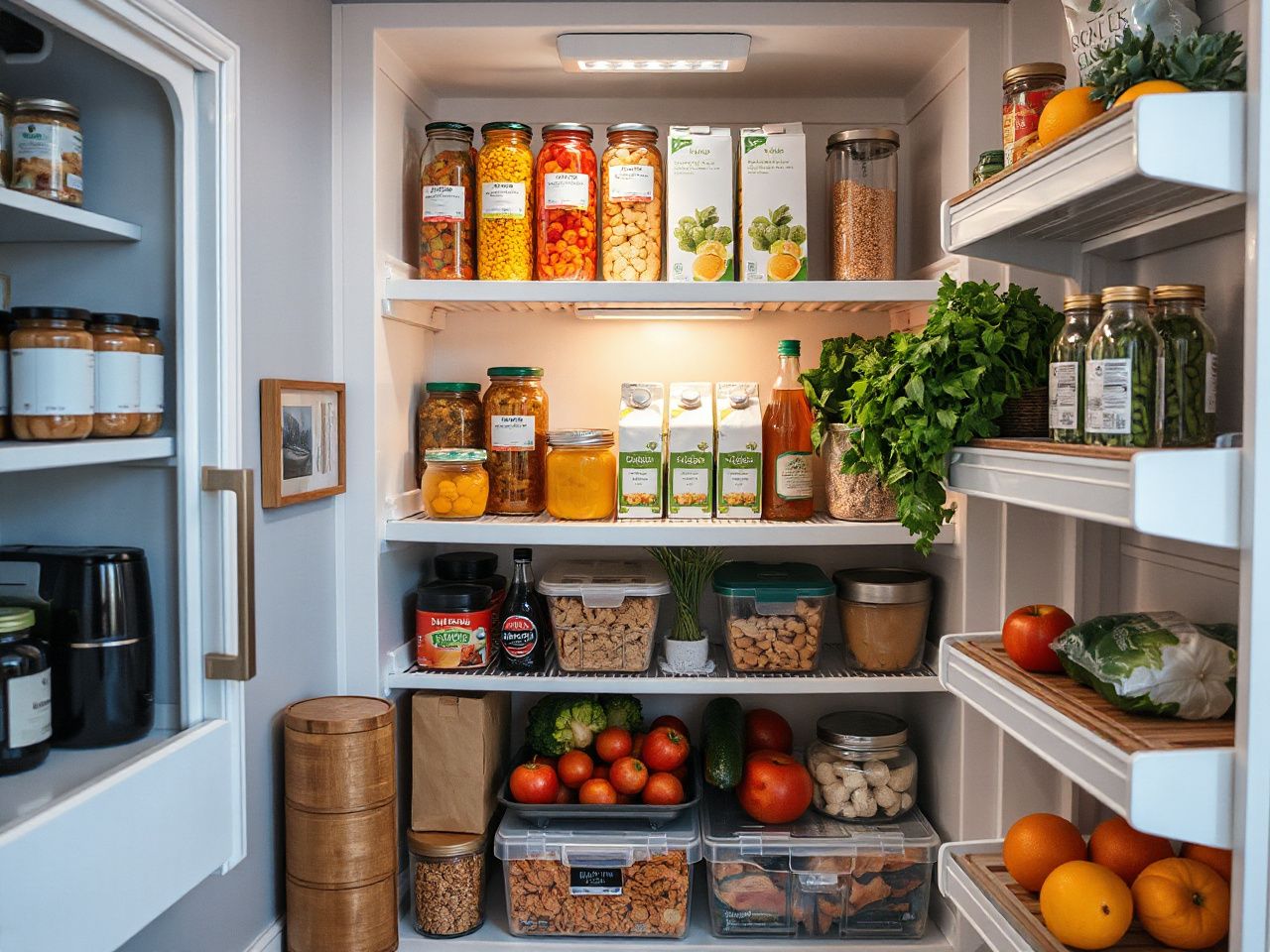
The refrigerator is for foods that require cold storage after purchase or opening, including many leftovers and perishable ingredients. Refrigerator organization should support visibility rather than pack every shelf tightly. Air needs room to circulate, and raw meat, poultry, seafood, and eggs should be separated from ready-to-eat food, with raw items positioned so leaks cannot reach other groceries.
The freezer is useful for food that will not be used soon, but freezing does not erase earlier handling problems. Freeze food while it is still suitable for eating, remove excess air from suitable packaging, and mark the contents and date. Freezer burn is a quality problem caused by moisture loss and air exposure; it does not mean a container has failed to keep the food physically enclosed.
Match the barrier to the risk
- Moisture: Dry foods need a clean, fully dry container with a reliable closure. Trapped water can cause clumping, mold, or faster deterioration.
- Oxygen: Air exposure can contribute to stale flavors and freezer burn. A close-fitting lid or properly closed bag helps, but the benefit depends on the food.
- Light: Opaque storage or a dark cupboard can help foods that lose quality in light. A transparent container is more useful when visibility and rotation matter more.
- Temperature: Refrigerators and freezers provide the control that containers cannot. A sealed tub left in a warm room is still warm food.
- Pests: A sound closure and clean shelf reduce access to dry goods. Spilled flour, grains, and crumbs should be removed rather than left beneath containers.
- Cross-contamination: Separate raw animal foods from ready-to-eat groceries at every stage, including shopping, refrigeration, preparation, and cleanup.
Moisture speeds mold and decomposition, so a dry container matters more for pantry staples than an expensive lid mechanism. Organization becomes valuable when it makes dates, portions, and contents easy to see.
Choose Containers by Food, Not by Appearance
No single material is correct for every grocery. The practical choice depends on temperature, weight, visibility, cleaning, and the food’s exposure to moisture or odors. I am skeptical of container systems that promise to replace every package in the kitchen. Extra pieces create more washing, more lids to match, and more opportunities for a damaged seal to stay in service.
Dry foods and pantry staples
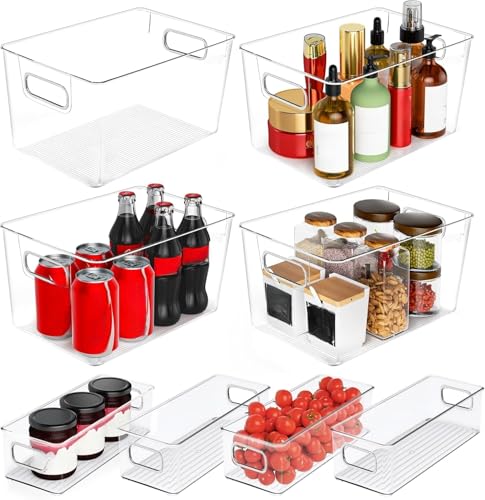
Dry goods benefit from containers that keep out moisture and pests while making the contents visible. A rigid container made from food-contact-grade plastic such as high-density polyethylene, or HDPE, can suit pantry use when the container is intact and appropriate for the intended food. Polyethylene terephthalate, or PET, is also used for clear food containers, but the material name alone does not establish that every container is suitable for every temperature or use.
Glass can work well for dry goods because it does not retain food odors in the same way some plastics can, and its transparency helps with FIFO rotation. Borosilicate glass is useful where the container is specifically made for the intended temperature changes, but the listing or manufacturer instructions still matter. Do not move hot food into a container unless the container is identified as suitable for that use.
Leftovers and prepared food
Leftovers need clean containers, prompt chilling, and portions that cool efficiently. Shallow portions allow heat to leave the food more readily than one deep, crowded mass. The exact storage timeline depends on the food, handling, and conditions, so use USDA FoodKeeper rather than extending a date because a lid fits tightly.
Glass, food-contact-grade plastic, and reusable silicone can all have a place for leftovers when their instructions allow the intended temperature. Glass is easy to inspect for residue and cracks, but it can be heavy and breakable. Plastic is lighter and practical for carrying food, while reusable silicone is flexible and useful for some bags or pouches. None of these materials makes old food safe.
Produce and ventilation
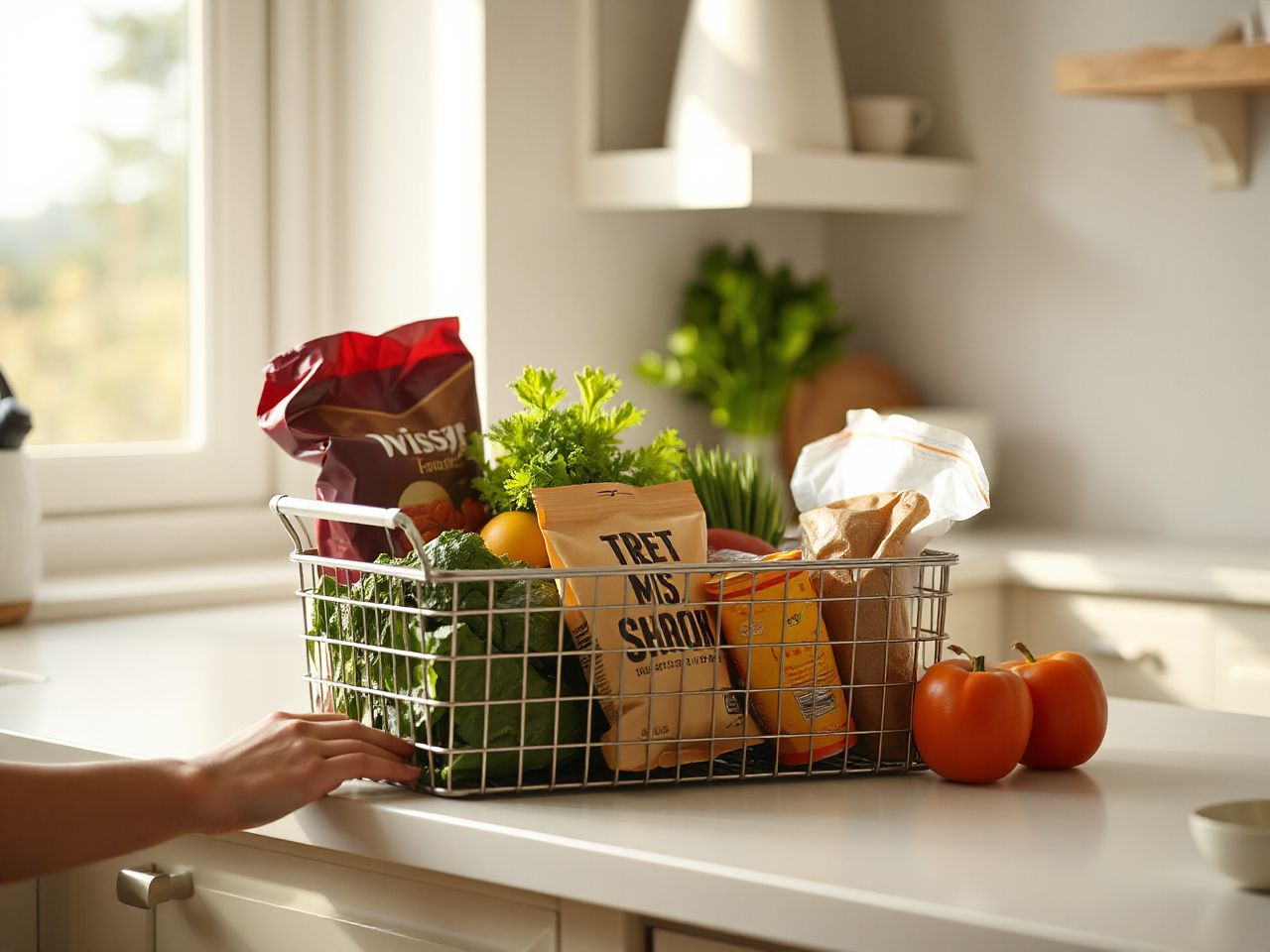
Produce often needs a different approach from dry groceries. Some fruits and vegetables benefit from ventilation rather than a fully airtight enclosure, because trapped moisture can speed mold and decomposition. Mushrooms should be placed inside a paper bag within the refrigerator, not sealed in a damp plastic environment.
Fruits and vegetables should not automatically share one closed container. A crowded, damp container can spread decay between pieces, and some produce gives off gases that can make nearby items spoil faster. Keep fragile produce visible, remove damaged pieces promptly, and use refrigerator organization that separates foods with different storage needs.
Liquids, frozen food, and original packaging
Liquids need containers with secure closures, enough headroom for movement, and materials suited to the intended temperature. A container that is acceptable for a dry pantry shelf may not be appropriate for a hot liquid, a freezer, or a dishwasher. Follow the container’s instructions instead of assuming that a familiar material is suitable everywhere.
Frozen food needs packaging that limits air contact and prevents leaks. Flat portions can make stacking easier and help food freeze in a more manageable shape, but the exact arrangement should suit the food. Label every frozen package because frost can make contents difficult to identify later.
Original packaging is often adequate when it closes securely, protects the food from its main risk, and carries useful cooking or allergen information. Transfer food only when the change solves a clear problem, such as poor closure, pest access, difficult rotation, or a package that cannot be resealed. Hard cheeses are an exception to leaving every package untouched: remove them from their original wrappers and wrap them in wax paper or parchment.
Build a Rotation System That Prevents Waste
Good organization should answer three questions quickly: What is this, when should it be used, and where does it belong? FIFO, or first in, first out, means placing older food in front and newer food behind it. The method works only when dates remain visible and shelves are not so crowded that older packages disappear.
Use shelves for visibility
Keep frequently used foods where they can be seen without moving several other items. Grouping similar groceries can help, but categories should remain practical. A shelf for breakfast foods, a section for cooking staples, and a defined area for opened packages may be more useful than arranging every container by matching color.
Mark transferred foods with the name and relevant date. For leftovers, label the food before putting the container away, not later when its contents are harder to identify. A label is a low-cost control that prevents mystery containers and reduces unnecessary opening, handling, and waste.
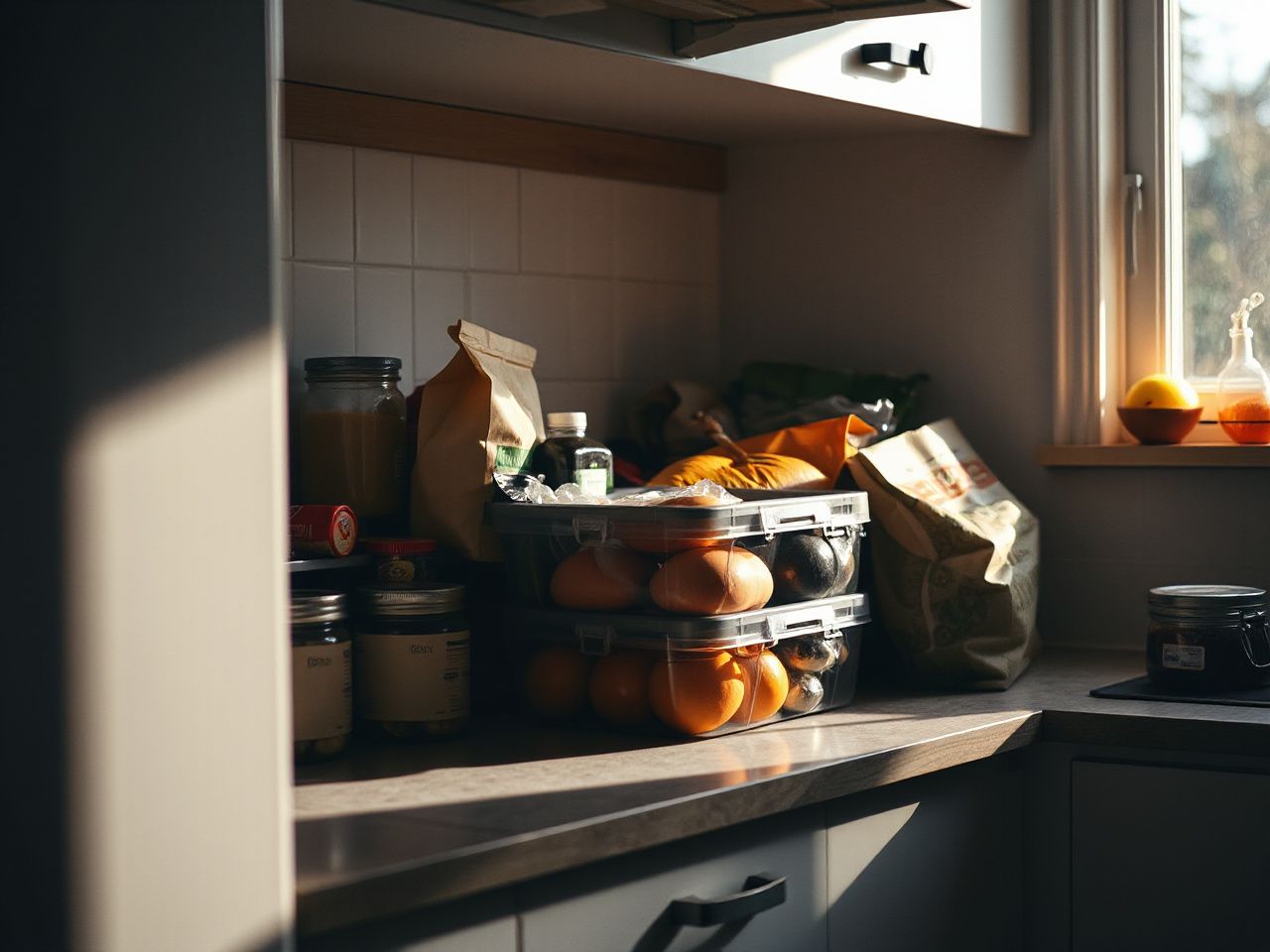
FIFO rotation works best when older food is placed in front of newer food. Clear labels and visible shelves turn storage into a usable inventory rather than a collection of hidden packages.
Make refrigerator zones support safety
Raw meat, poultry, seafood, and eggs belong apart from ready-to-eat foods, and raw items should be positioned to prevent leaking onto anything below or beside them. Use a tray or other containment method when needed, but do not treat a tray as a substitute for cleaning spills promptly.
Keep leftovers in clean, shallow containers and avoid packing the refrigerator so tightly that containers are forgotten. Opened packages should be closed, dated, and placed where they will be used rather than pushed behind untouched groceries. A refrigerator diagram can be helpful, but the principle is simple: food that can leak or contaminate should not sit above food that will be eaten without further cooking.
Control pantry pests and moisture
Pantry pest prevention starts with clean shelves and intact packaging. Wipe spills, discard damaged packages, and inspect dry goods before transferring them. An airtight seal helps block access and preserve texture, but it cannot reverse a pest problem already hidden inside food.
Containers must be clean, fully dry, intact, and appropriate for the intended temperature. Cracked plastic, damaged seals, and trapped moisture undermine storage even when a lid appears closed. Wash containers according to their instructions, dry every part before reassembly, and inspect corners, threads, gaskets, and folds for residue.
Prevent Spoilage, Mold, and Cross-Contamination
Closed packaging does not guarantee fresh food. Soggy crackers may have absorbed moisture before the package was sealed. Freezer burn may reflect air exposure over time. Stale odors can remain because the food itself or the container material has absorbed them. Mold can begin when moisture, food residue, and suitable conditions persist inside a closed space.
Wash and inspect storage equipment
Wash containers after use, remove visible residue, and dry them completely before storing or refilling them. Food-contact-grade silicone folds and seals can hide residue, while rigid containers can retain odors in scratched or stained surfaces. A container with a lingering smell, crack, warped body, or damaged seal should not be trusted for storage that depends on a close closure.
Stainless steel can be useful for durable food storage, but the container must still be cleaned and dried properly. Stainless steel does not prevent cross-contamination, and a metal container does not remove the need for date marking or appropriate temperature control.
The U.S. Food and Drug Administration provides food-contact information and food-safety guidance; follow the manufacturer’s instructions for a container’s intended use rather than assuming that every plastic, glass, silicone, or stainless-steel item suits every food and temperature.
Separate raw and ready-to-eat food
Use separate handling for raw meat, poultry, seafood, and eggs and for foods that will be eaten without further cooking. Keep raw packages contained, place them where leaking cannot reach other groceries, and clean surfaces after spills. Dry pantry foods also need protection from contact with raw-food packaging and unwashed hands.
Do not use smell, appearance, or a tight lid as the sole proof that food is safe. Food can be unsafe without obvious changes, so storage timelines and handling history matter. FoodKeeper is more dependable than guessing from a container’s condition.
Think about ongoing cost, not only purchase cost
Every storage method has ongoing work. Transferring food adds washing, drying, labeling, and lid management. Disposable bags add replacement and waste. Glass can reduce odor retention and make contents easy to inspect, but breakage and weight may make it less convenient for some uses. Reusable silicone can reduce disposable packaging, while folds and seals require careful cleaning.
Freezer storage also has a practical cost when food is forgotten, packages are poorly labeled, or repeated opening exposes food to air. The least expensive system is usually the one that prevents waste without creating more maintenance than the household will perform. A modest number of clearly labeled containers can outperform a large matching set that is difficult to wash, dry, and organize.
Storing Groceries as a Repeatable Routine
A reliable routine begins during unpacking. Separate pantry goods, refrigerated foods, frozen items, and foods that need immediate attention. Check damaged packaging before placing anything on a shelf, and do not let a container system delay refrigeration or freezing.
Step 1: Sort by storage need
Move perishable food to the refrigerator or freezer promptly. Keep raw animal foods separated from ready-to-eat groceries. Place dry goods in a clean, dry pantry area, and leave produce in the packaging or ventilation arrangement that suits it rather than closing everything in one style of container.
Step 2: Transfer only with a reason
Choose a container when the original package does not protect against the relevant risk or does not support safe handling. Use airtight storage for moisture, pests, and odors when those risks are present. Use ventilation for produce that deteriorates in damp, closed spaces. Keep original labels when they contain information needed for preparation or identification.
Step 3: Label and rotate
Mark transferred foods and leftovers clearly. Put older items in front and newer items behind them. Check shelves before shopping and use foods nearing their storage limit in meal preparation or batch cooking when the food remains suitable for use.
Step 4: Inspect the system
During routine cleaning, check for spills, pests, moisture, stains, cracks, broken closures, and damaged seals. Remove food that has exceeded the relevant storage guidance instead of trying to extend its life with a new container. Review the system if groceries repeatedly disappear behind one another or if washing and drying become too burdensome.
A storage system succeeds when the right food stays in the right place, older food remains visible, and containers do not create extra work that leads to skipped cleaning. The useful specialty tool is the one that solves a specific barrier problem and earns its space in the drawer or cupboard.
Frequently Asked Questions
How airtight should a grocery container be?
An airtight seal is useful when the main risk is moisture, pantry pests, odor transfer, or air exposure. It is not necessary for every grocery, and it can be counterproductive for produce that needs ventilation. A close seal also cannot make unsafe food safe. Choose the simplest closure that addresses the food’s actual risk, then keep the container clean, dry, and intact.
How long can leftovers remain refrigerated?
The answer depends on the food, preparation, handling, and storage conditions. Use the USDA FoodKeeper resource for the relevant timeline rather than relying on smell or appearance. Refrigerate leftovers promptly, use clean shallow containers for faster cooling, label them clearly, and discard food that has exceeded the applicable guidance even if the container still looks clean.
Can fruits and vegetables share one container?
They should not automatically share one sealed container. Produce differs in moisture and ventilation needs, and a crowded damp container can speed mold and decomposition. Keep mushrooms in a paper bag inside the refrigerator, remove damaged pieces, and separate foods that spoil quickly from those that need drier or more ventilated conditions.
Is glass better than plastic for food storage?
Neither material is universally better. Glass is easy to inspect and can resist lingering odors, while plastic is lighter and often easier to carry. Borosilicate glass, HDPE, PET, and food-contact-grade silicone all have different uses, but the manufacturer’s temperature instructions still control. Select the material that suits the food, cleaning routine, and storage location.
Does moving groceries into containers reduce waste?
Transferring groceries can reduce waste when it prevents moisture, pests, poor closure, or forgotten packages. It can also add washing, drying, labeling, and replacement work without improving storage. Keep original packaging when it already solves the relevant problem. Transfer only foods that gain a clear benefit, and use FIFO rotation so older groceries remain visible and accessible.