Category: Uncategorized

  • Apple Cake with Caramel Glaze Recipe (Easy & Moist)

    Apple Cake with Caramel Glaze Recipe (Easy & Moist)

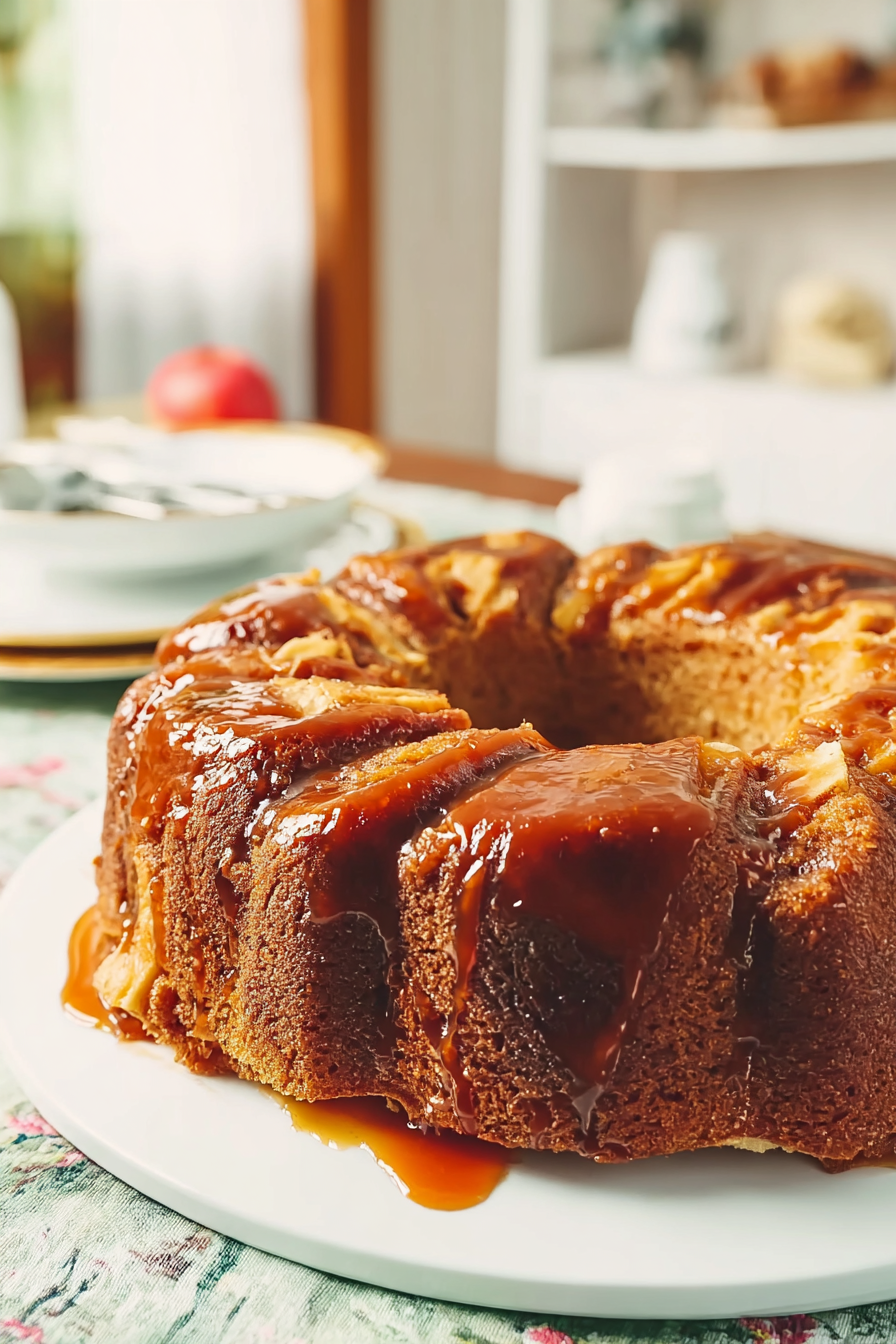
    It’s a cool fall afternoon. Your oven is on. And the smell of apples and cinnamon fills every corner of your house.

    That’s exactly what happens when I make this apple cake with caramel glaze. And honestly? It’s become the dessert I turn to when I want my home to feel warm and cozy.

    Here’s what makes it different from other apple cakes out there.

    Most recipes give you a regular cake with a few sad apple pieces here and there. Not this one. This cake is absolutely loaded with apples. I’m talking three whole pounds of them.

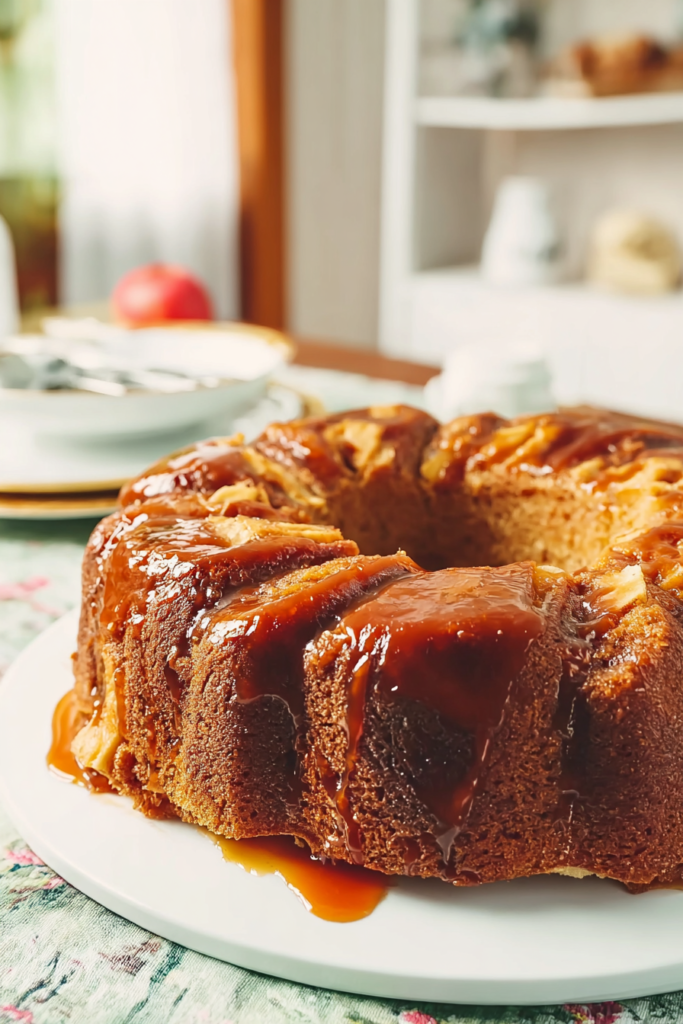
    The texture? Almost like a pudding. Super moist. The apples practically melt in your mouth.
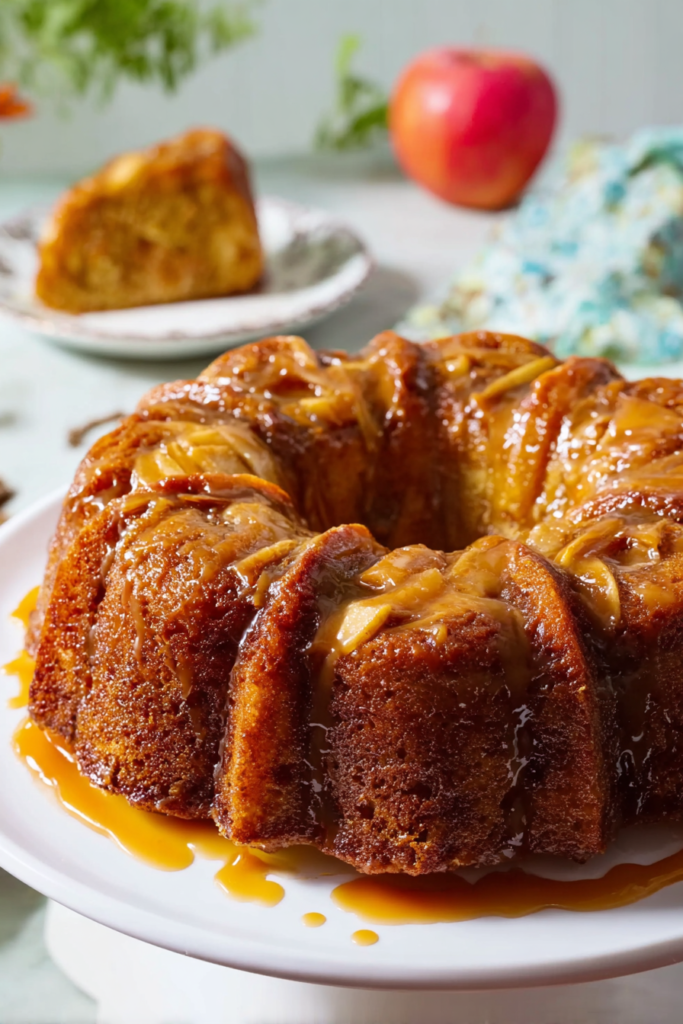
    apple cake with caramel glaze

    How I Found This Recipe

    I stumbled on this recipe a few years back.

    Was hunting for the perfect fall dessert. You know, something that screams autumn but doesn’t require a culinary degree to pull off.

    When I first read it, I literally did a double-take. Three pounds of apples? For one cake? Had to be a typo, right?

    Wrong.

    I made it anyway. And the moment I took my first bite, everything clicked. The “cake” part is really just there to hold all those gorgeous apple chunks together. It’s more like an apple dessert that happens to have cake batter in it.

    Mind. Blown.

    Why This Recipe Works Every Time

    The best part?

    You don’t need fancy equipment. No stand mixer required (though you can use one if you want). Just a big bowl, some measuring cups, and a 9×13-inch pan.

    The most time you’ll spend is peeling and chopping apples. But even that’s kind of therapeutic. Put on some music, pour yourself a cup of coffee, and get to work.

    Now let’s talk about the caramel glaze.

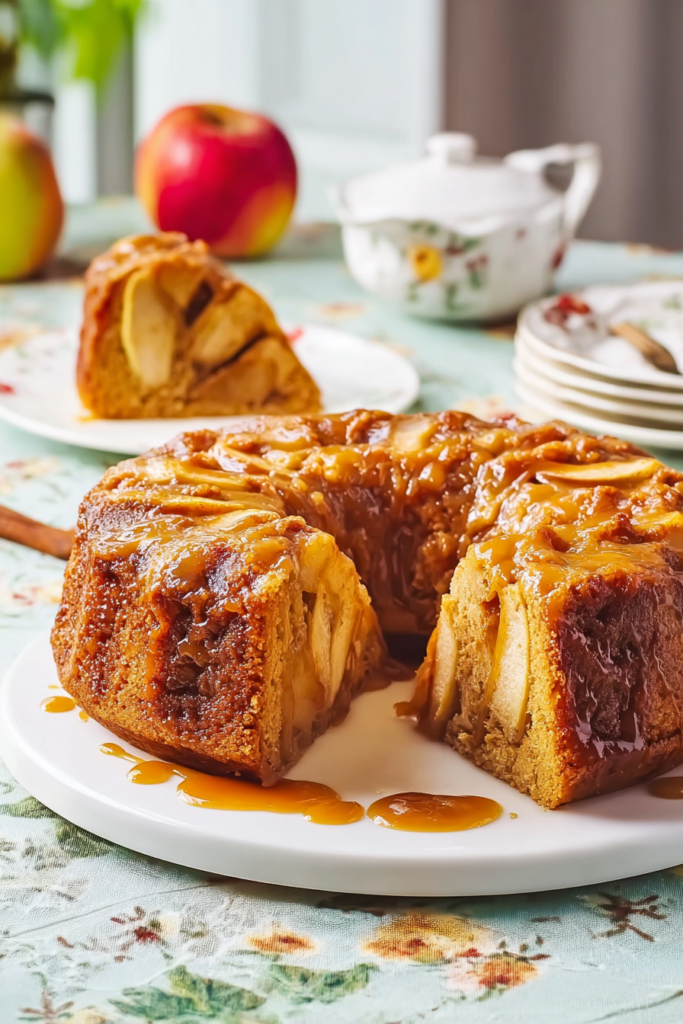
    This isn’t some wimpy drizzle. This is a rich, buttery, brown-sugar-and-cream situation that soaks into every single crevice of the cake. It keeps the cake moist for days. (If it lasts that long in your house, which… good luck with that.)
    apple cake with caramel glaze

    I’ve brought this cake to:

    • Family dinners
    • Holiday parties
    • Potlucks
    • Random Tuesday nights when I needed comfort food

    Every single time, people ask for the recipe. And every single time, they’re shocked when I tell them how easy it is.

    The combo of tart Granny Smith apples, warm spices, crunchy pecans, and that sweet caramel?

    Chef’s kiss.

    My Favorite Thing About This Cake

    It’s basically foolproof.

    Even if you overbake it a little (been there), all those apples keep it from drying out. Actually, here’s a little secret: it tastes even better the next day. The flavors get cozy with each other overnight.

    So I usually bake it the night before I need it. Then I warm it up just a bit and pour the glaze on right before serving. Makes me look like I have my life together, which is always a win.

    Whether you bake all the time or you’re just starting out, this cake is going to become your new favorite. It’s got everything you want in a fall dessert: warm flavors, amazing smells, and that “wow, you made this?” factor.

    Let me show you how to make it.


    What You’ll Need (And How to Make It)

    The Ingredient Breakdown

    IngredientQuantityWhy It Matters
    Light brown sugar1 cup, packedKeeps the cake moist, adds that caramel-y depth
    Granulated sugar1 cupSweetness and structure
    Vegetable oil1½ cupsThis is your moisture MVP
    Large eggs3Room temp is better if you remember
    All-purpose flour3 cupsSpoon it in, don’t pack it
    Baking soda1 teaspoonMakes it rise just right
    Ground cinnamon2 teaspoonsFresh stuff is worth it
    Ground nutmeg½ teaspoonGrate it fresh if you can
    Salt½ teaspoonBalances out all that sweetness
    Vanilla extract2¼ teaspoonsGo for the real stuff, not imitation
    Granny Smith apples3 poundsThat’s about 6-7 medium apples
    Pecans1¼ cupsChopped, but not too fine
    For the Glaze:
    Unsalted butter4 tablespoonsHalf a stick
    Granulated sugar¼ cupBuilding that caramel
    Light brown sugar¼ cupMore caramel flavor
    Heavy cream½ cupMakes it silky smooth
    Salt1 pinchTrust me on this
    apple cake with caramel glaze

    Let’s Get Baking

    First Things First

    Crank your oven to 325°F.

    Yeah, I know that seems low. But trust the process. This lower temp means the edges won’t burn while the center is still baking.

    Butter your 9×13-inch pan. Get in those corners. I also hit it with a light dusting of flour. Better safe than sorry when it comes to stuck cake.

    Making the Batter

    Grab your biggest bowl.

    Dump in both sugars and the oil. Beat it with your mixer for about two minutes. It’ll get lighter and fluffier as you go.

    Now add your eggs. One at a time. Beat well after each one. This is where you’re building the structure of your cake, so don’t rush it.

    In another bowl, whisk your flour, baking soda, cinnamon, nutmeg, and salt together. This makes sure all your spices and leavening get distributed evenly.

    Here’s the thing about adding the flour.

    Do it in three batches. Mix on low. Stop as soon as you don’t see dry flour anymore. Overmixing = tough cake. And nobody wants that.

    Stir in the vanilla.

    Now comes the fun part.

    The Apple Situation

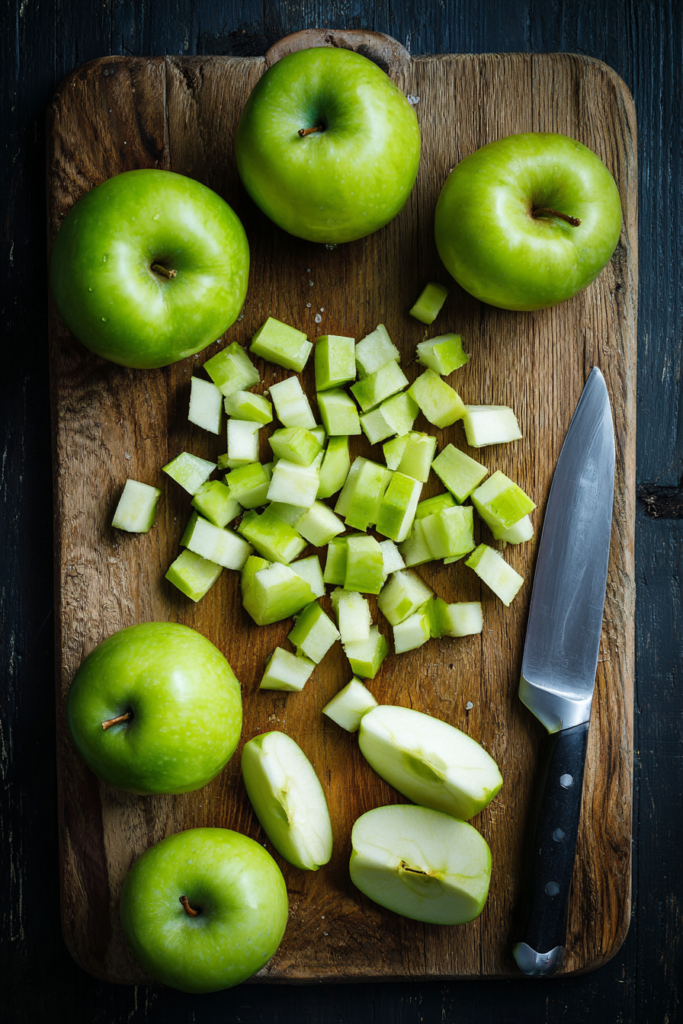
    Time to peel, core, and chop those apples.

    Cut them into half-inch pieces. Not bigger (they won’t cook through). Not smaller (they’ll turn to mush). Half-inch is the sweet spot.

    Three pounds sounds like a lot. Because it is a lot. You’ll have a mountain of apples on your cutting board. It’s totally normal.
    apple cake with caramel glaze

    Dump all the apples and pecans into your batter.

    Now here’s where you might panic a little.

    The batter is THICK. Like, really thick. You’ll think there’s no way there’s enough batter to hold all these apples together.

    But there is.

    Just keep folding. Use a good sturdy spoon or spatula. Be patient. Eventually everything will come together and every apple piece will have some batter clinging to it.

    Into the Oven

    Scrape everything into your pan. Spread it out as best you can. The pan’s going to be pretty full.

    Pop it in the oven. Set a timer for 60 minutes.

    At that point, stick a toothpick in the center. If it comes out clean (or with just a couple moist crumbs), you’re done. If not, give it another 10-15 minutes.

    Total bake time is usually 60-75 minutes.

    Pull it out. Let it hang out in the pan while you make the glaze. The cake needs to still be warm for what comes next.

    Making That Gorgeous Glaze

    Get a medium saucepan going on medium-low heat.

    Melt your butter. Add both sugars and that pinch of salt. Stir it around until everything’s combined. It’ll look grainy and weird at first. That’s fine.

    Let it cook for about two minutes. Keep stirring now and then.

    Pour in the cream. Turn the heat up just a touch. Bring it to a gentle boil, stirring the whole time.

    Once it’s boiling, let it go for exactly two minutes. Keep stirring. You’ll see it thicken up and turn this beautiful golden color.

    Off the heat immediately.

    The Grand Finale

    Grab a wooden skewer or toothpick. Poke holes ALL over the top of your warm cake. This gives the glaze somewhere to sink into.

    Pour that warm glaze right over the top. Don’t hold back. Let it pool in the holes. Let it run down the sides.

    Give it at least 30 minutes to cool before you cut into it.

    You can serve it warm. Or at room temp. Both are amazing. I like to add a scoop of vanilla ice cream on the side, but that’s just me.


    My Best Tips (Plus Answers to Your Questions)

    Things I’ve Learned Making This Cake

    The apple variety matters.

    Granny Smiths are my go-to. They’re tart, which balances out all the sugar. Plus they hold their shape during the long bake time.

    That said, I’ve used Pink Lady apples before. Even Honeycrisp. They make the cake sweeter, which some people love. Just depends on your taste.

    Don’t freak out about the thick batter.

    I know I already mentioned this, but it bears repeating. When you add those apples, the batter is going to seem impossibly thick. You might be tempted to add more oil or some milk.

    Don’t.

    That thickness is what makes this cake work. Just keep folding. It’ll come together.

    Timing is everything with the glaze.

    Both the cake and the glaze need to be warm when you put them together. That’s when the magic happens. The glaze soaks in instead of just sitting on top.

    If your glaze cools down too much and gets thick? Just warm it back up gently before pouring.

    This cake gets better with age.

    Not kidding. Day two is better than day one. The flavors meld together. The moisture distributes evenly. It’s like the cake needs a night to think about what it wants to be.

    Keep it covered on your counter for up to three days. Or stick it in the fridge for up to a week.

    Your Questions Answered

    Can I use a different pan?

    Sure can.

    A tube pan works great. So does a bundt pan. The baking time stays about the same, but start checking at the 60-minute mark. Look for the cake pulling away slightly from the edges.

    What if I don’t have heavy cream?

    Whole milk will work in a pinch. The glaze just won’t be quite as rich and thick. Half-and-half is the perfect middle ground if you’ve got it.

    Can I make this ahead?

    Absolutely.

    Bake the cake up to two days before you need it. Keep it covered at room temp. Then make the glaze fresh and pour it on right before serving.

    This actually makes your life way easier if you’re entertaining.

    Help! My apples always sink to the bottom.

    Here’s a trick: toss your diced apples with a tablespoon of flour before adding them to the batter.

    But honestly? The super thick batter usually keeps them suspended just fine on its own.

    What about other nuts?

    Walnuts work great. They’ve got a slightly earthier flavor than pecans.

    Or skip the nuts completely if allergies are an issue. The cake is still delicious without them, just missing that nice crunch.


    Look, this apple cake with caramel glaze is comfort food at its absolute best.

    It’s the kind of dessert that makes your house smell amazing. That makes people smile when they take a bite. That disappears faster than you think it will.

    Try it this weekend. I’m betting it becomes your new fall tradition.
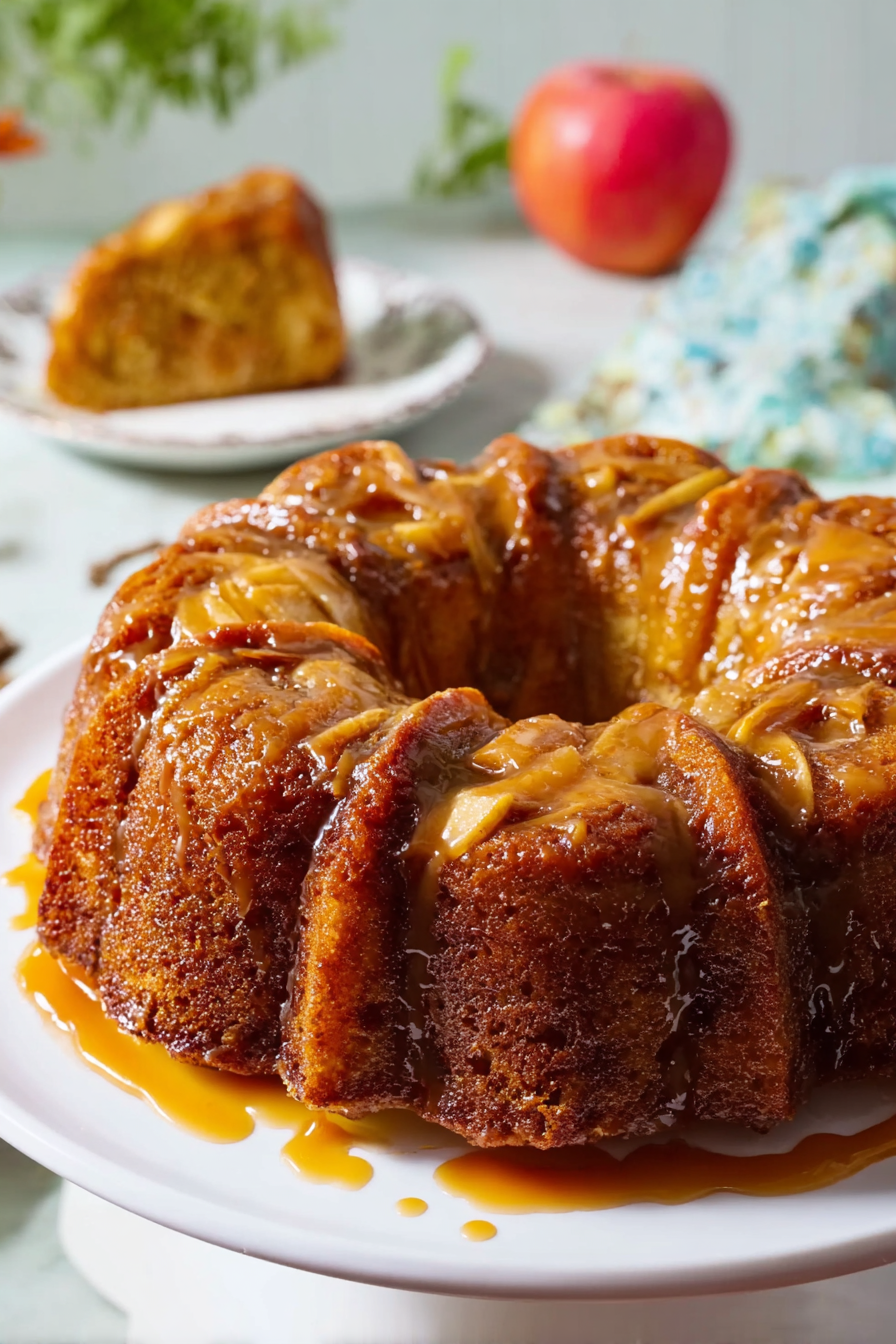
    Apple Cake with Caramel Glaze

    Apple Cake with Caramel Glaze

    An incredibly moist apple cake loaded with 3 pounds of apples and topped with a rich caramel glaze. This easy fall dessert has a pudding-like texture and gets even better the next day.
    Prep Time 30 minutes
    Cook Time 1 hour 15 minutes
    Cooling Time 30 minutes
    Total Time 1 hour 45 minutes
    Servings: 12 servings
    Course: Dessert
    Cuisine: American
    Calories: 485

    Ingredients
      

    For the Cake
    • 1 cup light brown sugar packed
    • 1 cup granulated sugar
    • cups vegetable oil
    • 3 large eggs room temperature
    • 3 cups all-purpose flour
    • 1 teaspoon baking soda
    • 2 teaspoons ground cinnamon
    • ½ teaspoon ground nutmeg
    • ½ teaspoon salt
    • teaspoons vanilla extract
    • 3 pounds Granny Smith apples peeled, cored, and chopped into ½-inch pieces (about 6-7 medium apples)
    • cups pecans chopped
    For the Caramel Glaze
    • 4 tablespoons unsalted butter
    • ¼ cup granulated sugar
    • ¼ cup light brown sugar
    • ½ cup heavy cream
    • 1 pinch salt

    Method
     

    Prepare the Pan and Oven
    1. Preheat your oven to 325°F (165°C).
    2. Butter a 9×13-inch baking pan and lightly dust with flour, making sure to get into the corners.
    Make the Cake Batter
    1. In a large bowl, beat together both sugars and vegetable oil for about 2 minutes until lighter and fluffier.
    2. Add eggs one at a time, beating well after each addition.
    3. In a separate bowl, whisk together flour, baking soda, cinnamon, nutmeg, and salt.
    4. Add the flour mixture to the wet ingredients in three batches, mixing on low speed just until no dry flour is visible. Do not overmix.
    5. Stir in the vanilla extract.
    6. Fold in the chopped apples and pecans. The batter will be very thick – this is normal. Keep folding until every apple piece is coated with batter.
    Bake the Cake
    1. Scrape the batter into the prepared pan and spread evenly.
    2. Bake for 60-75 minutes, or until a toothpick inserted in the center comes out clean or with just a few moist crumbs.
    3. Remove from oven and let the cake rest in the pan while you make the glaze. The cake should still be warm.
    Make the Caramel Glaze
    1. In a medium saucepan over medium-low heat, melt the butter.
    2. Add both sugars and salt, stirring until combined. Cook for about 2 minutes, stirring occasionally.
    3. Pour in the heavy cream and increase heat slightly. Bring to a gentle boil, stirring constantly.
    4. Once boiling, continue cooking for exactly 2 minutes while stirring. The glaze will thicken and turn golden. Remove from heat immediately.
    Finish the Cake
    1. Using a wooden skewer or toothpick, poke holes all over the top of the warm cake.
    2. Pour the warm caramel glaze over the cake, letting it soak into the holes and run down the sides.
    3. Let the cake cool for at least 30 minutes before cutting. Serve warm or at room temperature. Optional: serve with vanilla ice cream.
    Notes

    Storage: Keep covered at room temperature for up to 3 days, or refrigerate for up to 1 week. The cake tastes even better the next day!
    Make Ahead: Bake the cake up to 2 days in advance and store covered at room temperature. Make the glaze fresh and pour it on right before serving.
    Apple Varieties: Granny Smith apples are recommended for their tartness and ability to hold shape. Pink Lady or Honeycrisp can be substituted for a sweeter cake.
    Pan Options: A tube pan or bundt pan can be used instead of a 9×13-inch pan. Baking time remains the same – check at 60 minutes.
    Nut-Free Option: Pecans can be omitted or replaced with walnuts.
    Cream Substitute: Whole milk or half-and-half can replace heavy cream, though the glaze will be slightly less rich.
  • Easy Lemon Poppy Seed Bread with Glaze Recipe

    Easy Lemon Poppy Seed Bread with Glaze Recipe

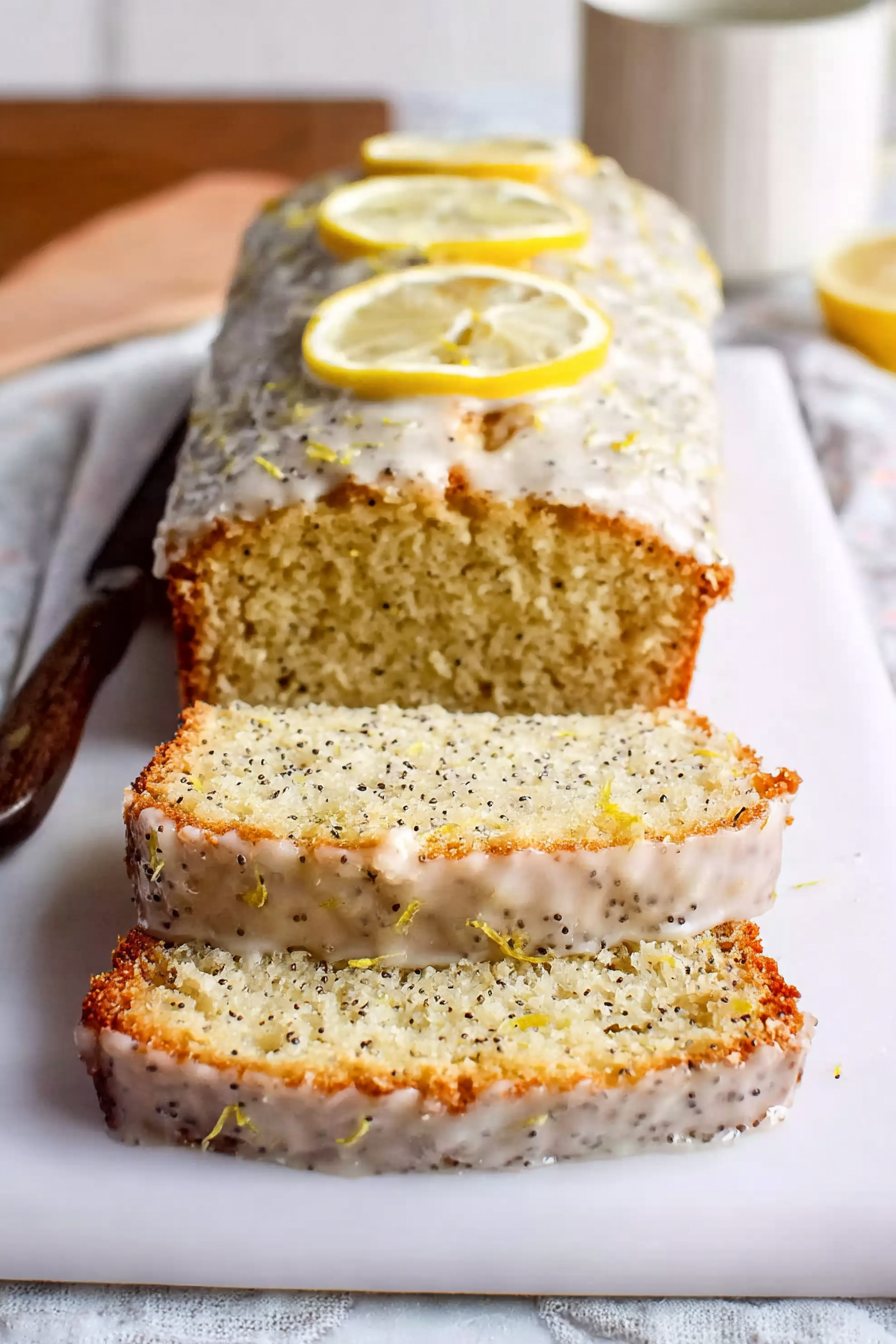
    You know that moment when lemon and poppy seeds come together? Pure magic.

    This lemon poppy seed bread is everything you want in a quick bread. Tender. Moist. Bursting with bright citrus flavor. And that sweet glaze on top? It takes things to another level.

    I’ve been baking quick breads for years now. This one? It’s become my go-to.

    The best part? The whole process is super simple. But when you serve it, people think you slaved away in the kitchen for hours. Even better—the smell will pull everyone into your kitchen before it’s done cooling.

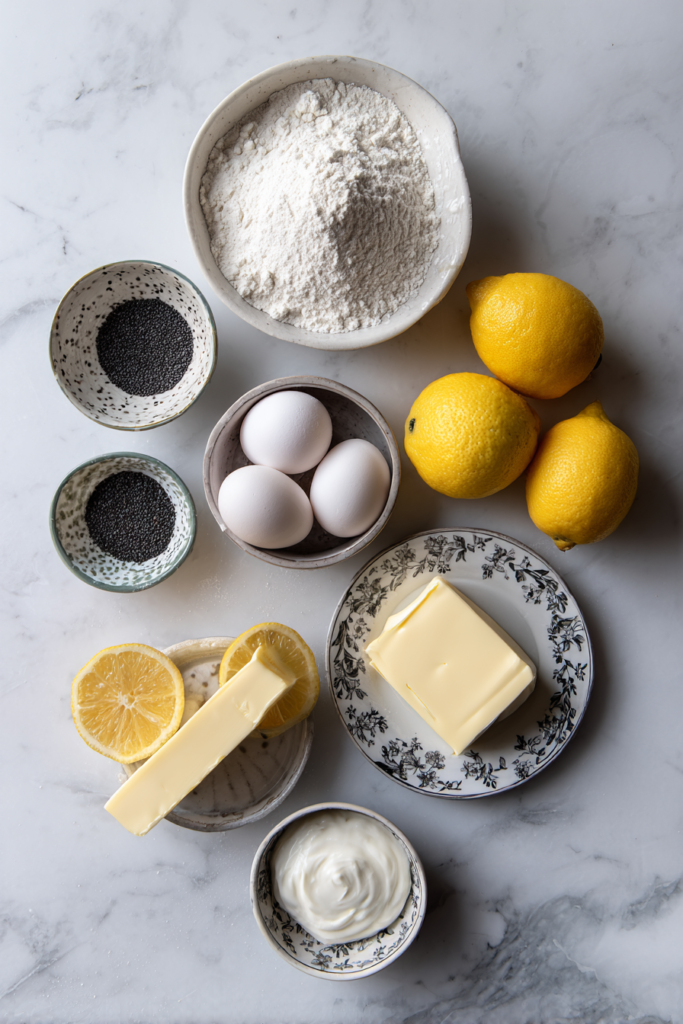
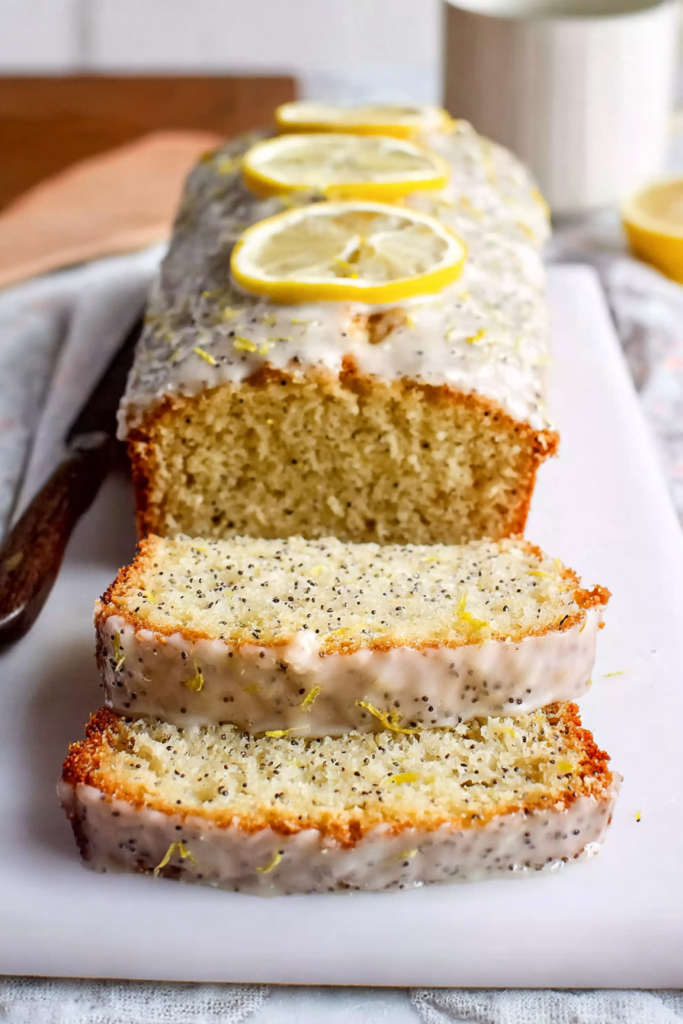
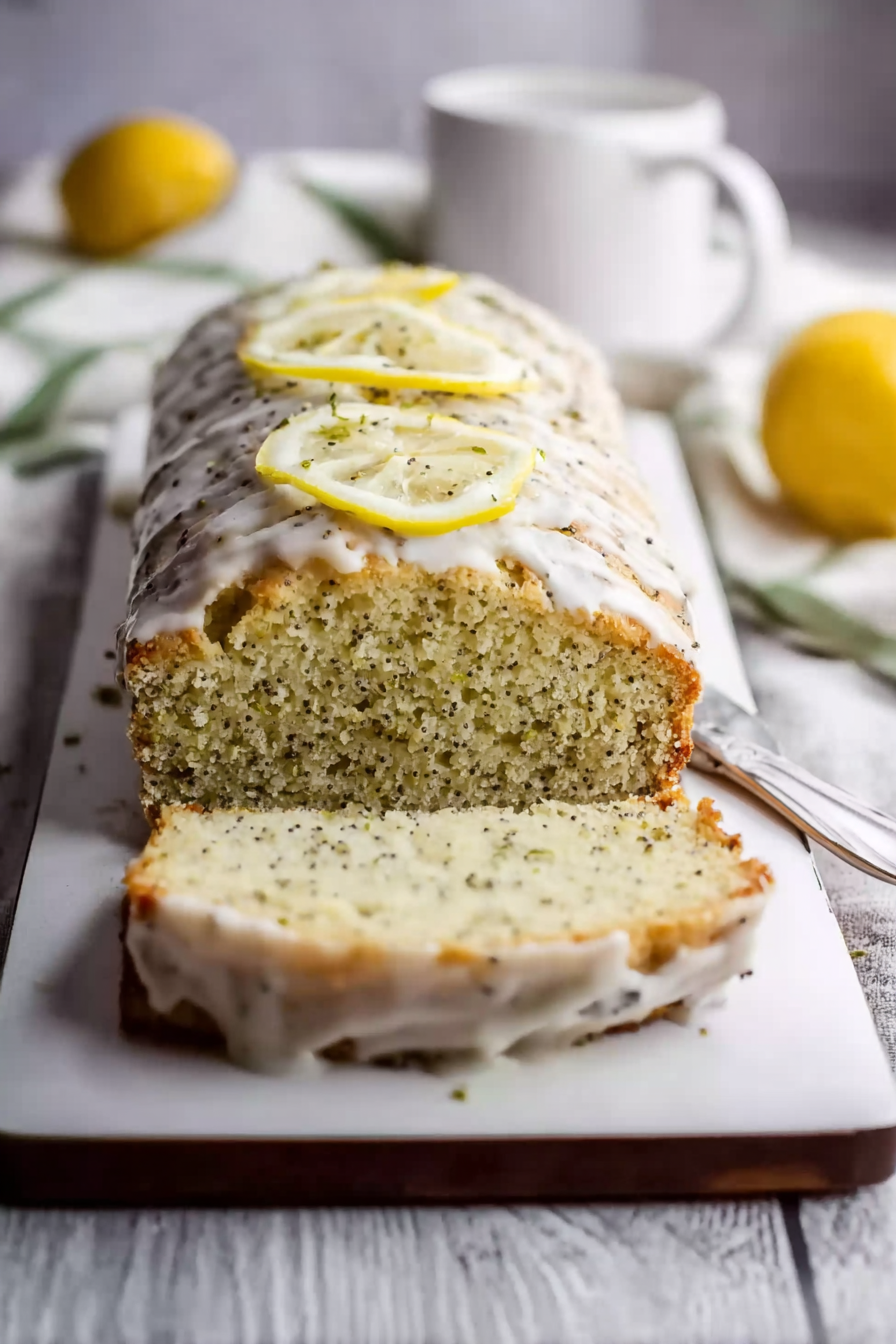
    lemon poppy seed bread

    Why this recipe works so well

    The texture is perfect. Sour cream and melted butter team up to create the most tender crumb. Then those little poppy seeds add these amazing pockets of texture.

    Fresh citrus in every bite. Real lemon zest and juice make all the difference. And here’s my secret—almond extract. Just a touch. People always ask what makes it taste so good.

    It’s beginner-friendly. Two bowls. A whisk. Your hands. That’s it. The mixing takes maybe 15 minutes tops.

    Serve it anytime. Morning coffee? Yes. Afternoon snack? Absolutely. Fancy it up with glaze for dessert? You bet.

    It just works. I’ve tested this multiple times to nail the ratios. The milk-soaked poppy seeds? That’s the trick. Room temperature ingredients? Non-negotiable.

    Let’s talk ingredients

    Poppy seeds need to be fresh. Look for that dark blue-grey color. Check the date on the package. Old seeds taste… well, old.

    Fresh lemons only. Grab 2-3 medium lemons. You’ll need both zest and juice. Never use bottled lemon juice. Never.

    Almond extract gives you that bakery vibe. It plays so well with lemon. Not a fan? Vanilla works great too.

    Unsalted butter needs a minute to cool after melting. You don’t want scrambled eggs in your batter. Trust me on this.

    Whole milk or low-fat—either works. Just make sure it’s room temperature. Cold milk throws everything off.

    Sour cream should be full-fat. The texture comes out better. Greek yogurt can pinch hit, but the flavor changes a bit.

    lemon poppy seed bread

    Want to switch things up?

    Throw in some berries. About 3/4 cup of blueberries or raspberries. The tartness? Perfect match for lemon.

    Add crunch with nuts. Chop up 1/2 cup of almonds or walnuts. Goes great with the almond extract.

    Go tropical. Mix in 1/3 cup shredded coconut. Takes you straight to paradise.

    Make muffins instead. Fill a 12-cup tin. Bake at 400°F for 16-18 minutes. Done. Perfect for busy mornings.

    Try mini loaves. Two 5×3 inch pans. About 30 minutes in the oven. These make amazing gifts.

    Need it dairy-free? Swap in dairy-free milk and sour cream. Cup-for-cup gluten-free flour works too. The texture will be a touch denser, but still delicious.

    Here’s how to make it

    Start with those poppy seeds.

    Whisk them with milk in a small bowl. Then walk away. Let them sit for 15 minutes. This step matters more than you think.

    While you’re waiting, crank your oven to 350°F. Line an 8×4 inch loaf pan with parchment paper. Let the edges hang over—makes it way easier to lift out later.

    Mix your dry stuff.

    Flour, baking powder, salt. Whisk it in a medium bowl. Set it aside.

    Now for the fun part.

    Here’s a trick I learned years ago. Put your sugar and lemon zest in a large bowl. Use your fingers to rub them together. Really work it. This releases all those lemon oils. Your sugar will smell incredible.

    Add the wet ingredients.

    Crack in those eggs. Whisk them with your lemon sugar. Pour in the melted butter. Add lemon juice and almond extract. Mix it all up.

    Now dump in the sour cream and that poppy seed-milk mixture. Whisk again until everything looks smooth and thick. That thick texture? Exactly what you want.

    Bring it together.

    Pour your dry ingredients into the wet bowl. Grab a silicone spatula. Fold everything together gently.

    Stop the second you don’t see dry flour anymore.

    Over-mixing is the enemy here. It makes dense, tough bread. Nobody wants that.

    Time to bake.

    Pour the batter into your pan. It’ll be thick but spreadable. Slide it into the oven. Set your timer for 45 minutes.

    Check it with a toothpick. It should come out with just a few moist crumbs. If it’s still wet, give it 5 more minutes.

    Let the bread chill in the pan for 10 minutes. Then use that parchment paper to lift it out. Move it to a wire rack.

    Let it cool completely before glazing. If you glaze it warm, it’ll just melt right in.

    The glaze is easy.

    Whisk confectioners’ sugar with lemon juice. Start with 1 tablespoon of juice. That gives you thick glaze. Want it thinner and drippy? Add another tablespoon.

    Pour it over your cooled bread. Give it 5 minutes to set. Then slice and dig in.

    Things I’ve learned the hard way

    Temperature is everything.

    Room temperature ingredients mix smooth. They create even texture throughout. Cold sour cream? It’ll clump up and refuse to blend in.

    Get a kitchen scale if you can.

    Weighing flour gives you consistent results every single time. Too much flour = dry bread. Simple as that.

    Don’t skip the poppy seed soak.

    Those seeds have tough outer shells. Soaking softens them up. Releases their flavor too. You’ll taste the difference.

    That finger rub technique is gold.

    When you rub lemon zest into sugar, you release oils you’d miss otherwise. I do this with every citrus recipe now.

    Fresh juice or nothing.

    Bottled lemon juice tastes flat. Fake. Fresh-squeezed brings brightness and depth you can’t fake.

    See a crack? Good.

    That crack down the center means your bread rose right. The top sets first as it bakes. Then the center keeps rising and—crack. It’s totally normal. Actually, it’s a sign of perfectly baked bread.

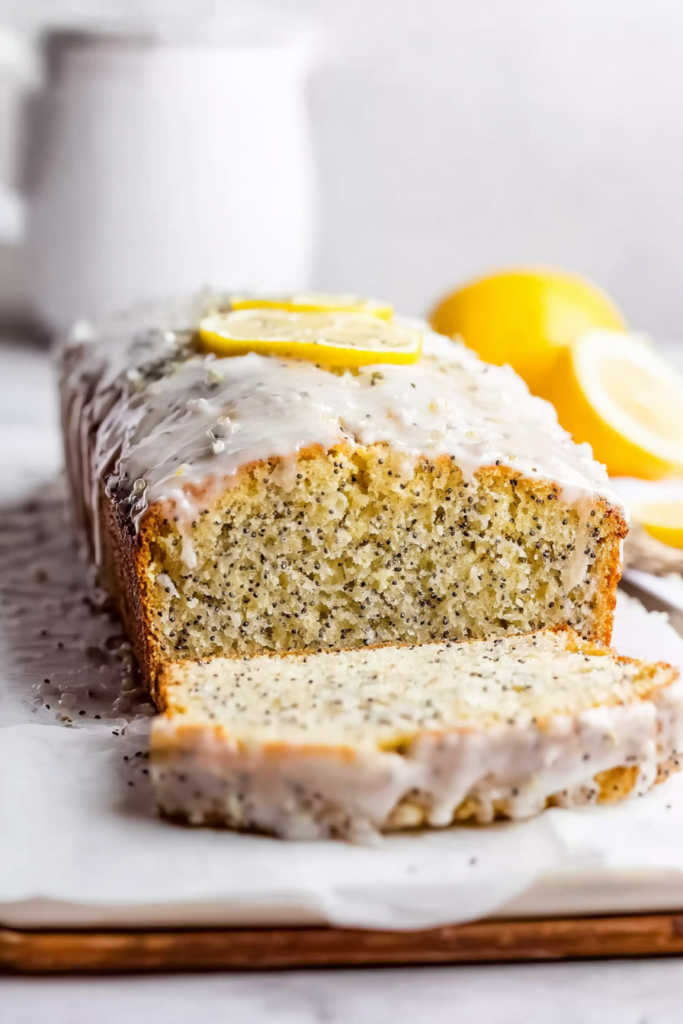
    lemon poppy seed bread

    How to store it

    Room temperature works great.

    Keep it in an airtight container. Lasts up to 5 days. Just make sure it’s completely cool before you cover it. Otherwise condensation makes it soggy.

    Freezing is smart too.

    Cool the bread completely. Skip the glaze for now. Wrap it tight in plastic wrap. Then into a freezer bag. Squeeze out all the air you can.

    It’ll keep for 3 months easy.

    Ready to eat it? Let it thaw in the fridge overnight. Bring it to room temperature. Add fresh glaze. Perfect.

    Recipe Card

    Lemon Poppy Seed Bread with Glaze

    Prep Time: 10 minutes | Cook Time: 50 minutes | Total Time: 1 hour
    Servings: 12 slices | Difficulty: Easy

    Ingredients

    IngredientQuantityNotes
    Whole or low-fat milk¼ cup (60 mL)Room temperature
    Poppy seeds2 TablespoonsFresh, not expired
    All-purpose flour2 cups (250 g)Spooned and leveled
    Baking powder2 teaspoonsCheck freshness
    Salt½ teaspoonFine sea salt
    Fresh lemon zest2 TablespoonsAbout 2 lemons
    Large eggs3Room temperature
    Granulated sugar¾ cup (150 g)White sugar
    Unsalted butter½ cup (113 g)Melted and cooled
    Fresh lemon juice2 TablespoonsFreshly squeezed
    Almond extract½ teaspoonOr vanilla extract
    Sour cream½ cup (120 g)Full-fat, room temp
    For the Glaze:
    Confectioners’ sugar¼ cup (30 g)Sifted if lumpy
    Fresh lemon juice1-2 TablespoonsFor desired consistency

    Instructions

    1. Whisk together milk and poppy seeds in a small bowl. Let sit for 15 minutes to soften the seeds.
    2. Preheat your oven to 350°F. Line an 8½×4½-inch loaf pan with parchment paper, leaving overhang on the sides.
    3. Whisk flour, baking powder, and salt in a medium bowl. Set aside.
    4. In a large bowl, combine sugar and lemon zest. Rub between your fingers for 30 seconds to release the oils.
    5. Add eggs to the lemon sugar and whisk until smooth. Mix in melted butter, lemon juice, and almond extract.
    6. Add sour cream and the poppy seed-milk mixture to the wet ingredients. Whisk until thoroughly combined.
    7. Pour the dry ingredients into the wet ingredients. Fold gently with a spatula until just combined. Don’t overmix.
    8. Transfer batter to the prepared pan and smooth the top.
    9. Bake for 45-50 minutes, or until a toothpick inserted in the center comes out with minimal crumbs.
    10. Cool in the pan for 10 minutes, then use the parchment to lift the bread out. Cool completely on a wire rack.
    11. For the glaze: Whisk confectioners’ sugar with 1 tablespoon lemon juice. Add more juice for a thinner glaze.
    12. Pour glaze over the cooled bread. Let set for 5 minutes before slicing.
    lemon poppy seed bread

    Questions you might have

    Can I make this ahead?

    Yes. It stays fresh for 5 days at room temperature if stored right. Or bake it and freeze it without the glaze. Add fresh glaze when you’re ready to serve. Makes entertaining so much easier.

    What’s the best way to zest a lemon?

    Microplane or fine grater. Just get the bright yellow part. That white pith underneath? Bitter as can be. And zest before you juice—whole lemons are way easier to work with.

    My bread came out dry. What happened?

    Usually? Too much flour. Spoon it into your measuring cup. Level it off. Don’t pack it down. Also check your oven—every one runs different. Start checking at 45 minutes.

    Can I swap out the poppy seeds?

    Absolutely. Chia seeds work great. Black sesame seeds give you a different flavor. Or skip the seeds entirely. Still tastes amazing.

    Is that crack on top bad?

    Not even a little bit. It’s actually a good sign. As the bread bakes, it rises and expands. The surface sets first. Then the center keeps pushing up and—crack. Means your bread rose perfectly.

    The bright lemon flavor in this bread is addictive. Each slice hits that sweet spot between sweet and tangy. Those poppy seeds add just the right texture. Plain or glazed, this bread’s about to become your new favorite thing to bake.

    Lemon Poppy Seed Bread with Glaze

    Lemon Poppy Seed Bread with Glaze

    Tender, moist lemon poppy seed bread with bright citrus flavor and a sweet glaze. Simple ingredients and beginner-friendly recipe ready in just 1 hour.
    Prep Time 10 minutes
    Cook Time 50 minutes
    Total Time 1 hour
    Servings: 12 slices
    Course: Breakfast, Dessert
    Cuisine: American

    Ingredients
      

    For the Bread
    • 1/4 cup whole or low-fat milk room temperature
    • 2 tablespoons poppy seeds fresh, not expired
    • 2 cups all-purpose flour spooned and leveled
    • 2 teaspoons baking powder check freshness
    • 1/2 teaspoon salt fine sea salt
    • 2 tablespoons fresh lemon zest about 2 lemons
    • 3 large eggs room temperature
    • 3/4 cup granulated sugar white sugar
    • 1/2 cup unsalted butter melted and cooled
    • 2 tablespoons fresh lemon juice freshly squeezed
    • 1/2 teaspoon almond extract or vanilla extract
    • 1/2 cup sour cream full-fat, room temperature
    For the Glaze
    • 1/4 cup confectioners’ sugar sifted if lumpy
    • 1-2 tablespoons fresh lemon juice for desired consistency

    Method
     

    1. Whisk together milk and poppy seeds in a small bowl. Let sit for 15 minutes to soften the seeds.
    2. Preheat your oven to 350°F. Line an 8½×4½-inch loaf pan with parchment paper, leaving overhang on the sides.
    3. Whisk flour, baking powder, and salt in a medium bowl. Set aside.
    4. In a large bowl, combine sugar and lemon zest. Rub between your fingers for 30 seconds to release the oils.
    5. Add eggs to the lemon sugar and whisk until smooth. Mix in melted butter, lemon juice, and almond extract.
    6. Add sour cream and the poppy seed-milk mixture to the wet ingredients. Whisk until thoroughly combined.
    7. Pour the dry ingredients into the wet ingredients. Fold gently with a spatula until just combined. Don’t overmix.
    8. Transfer batter to the prepared pan and smooth the top.
    9. Bake for 45-50 minutes, or until a toothpick inserted in the center comes out with minimal crumbs.
    10. Cool in the pan for 10 minutes, then use the parchment to lift the bread out. Cool completely on a wire rack.
    11. For the glaze: Whisk confectioners’ sugar with 1 tablespoon lemon juice. Add more juice for a thinner glaze.
    12. Pour glaze over the cooled bread. Let set for 5 minutes before slicing.

    Notes

    Store in an airtight container at room temperature for up to 5 days. For freezing, wrap cooled bread (without glaze) tightly in plastic wrap and freeze for up to 3 months. Thaw overnight in the fridge and add fresh glaze before serving.
    For muffins: Fill a 12-cup tin and bake at 400°F for 16-18 minutes.
    For mini loaves: Use two 5×3 inch pans and bake for about 30 minutes.
  • Easy Vegan Cinnamon Buns with Maple Glaze Recipe

    Easy Vegan Cinnamon Buns with Maple Glaze Recipe

    You know that moment when cinnamon buns come out of the oven?

    That warm, spiced smell that wraps around your whole kitchen like a hug?

    Yeah. That’s what we’re making today.

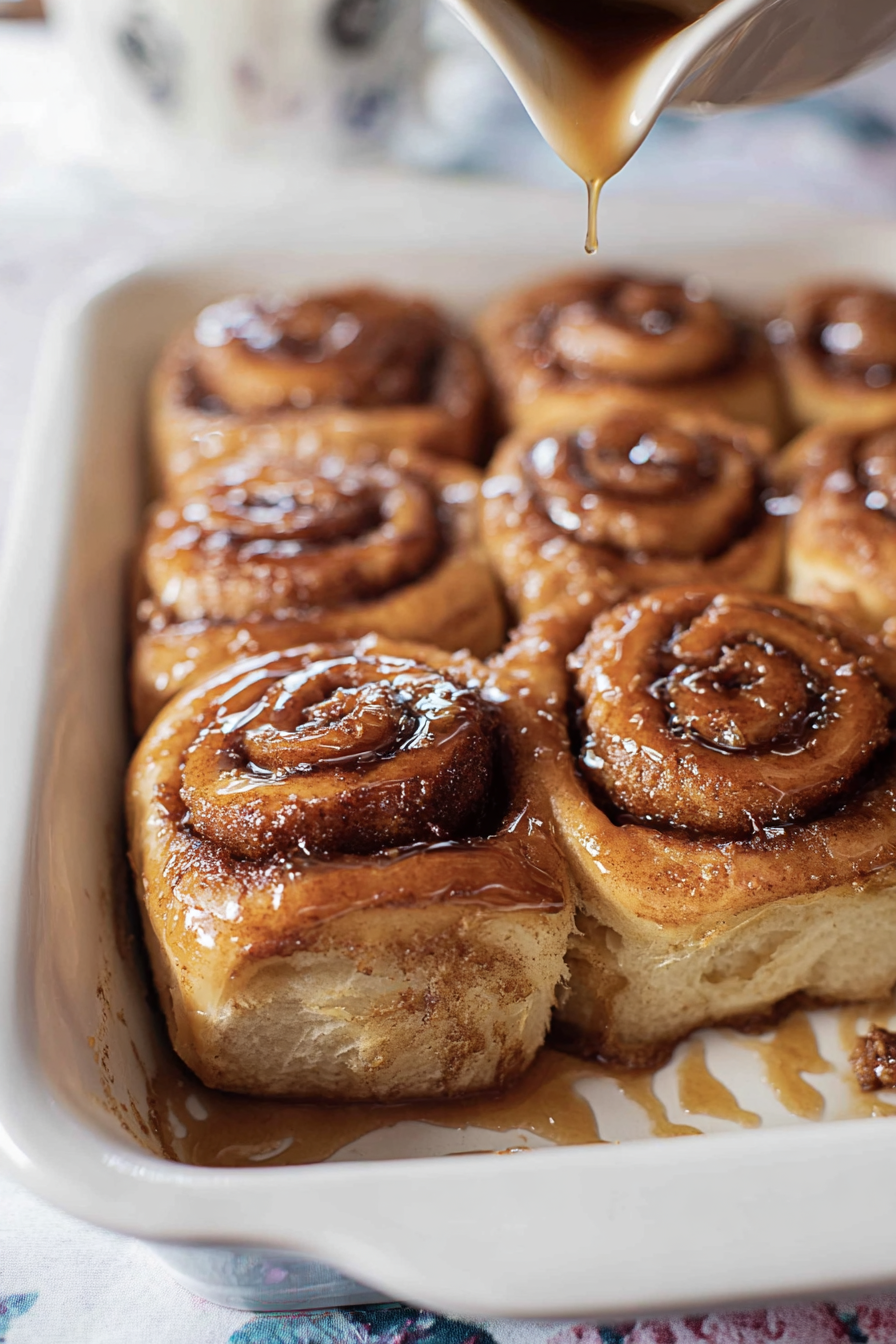
    And here’s the best part – these are completely vegan. No dairy. No eggs. Just soft, pillowy buns that’ll make you wonder why you ever bought the store-bought kind.

    I’ve made these so many times I could probably do it in my sleep. And I’m going to show you exactly how I do it.

    Recipe Timing:
    Prep Time: 15 minutes | Cook Time: 20 minutes | Rising Time: 2 hours | Total Time: 2 hours 35 minutes
    Servings: 12 buns | Difficulty: Moderate


    My Take on Sticky Buns

    Let me be honest with you.

    Traditional sticky buns? The ones from Pennsylvania that everyone raves about?

    They’re baked upside-down with nuts and caramel, then you flip them over and… well, they look kind of messy. Squashed. Not Instagram-worthy at all.

    So I did something different.

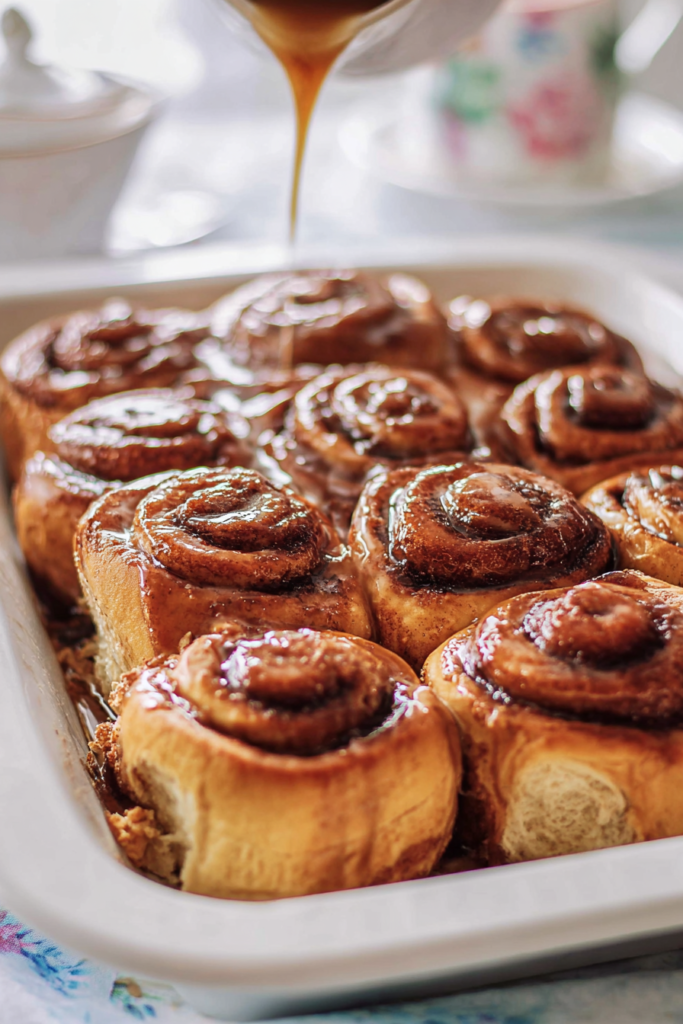
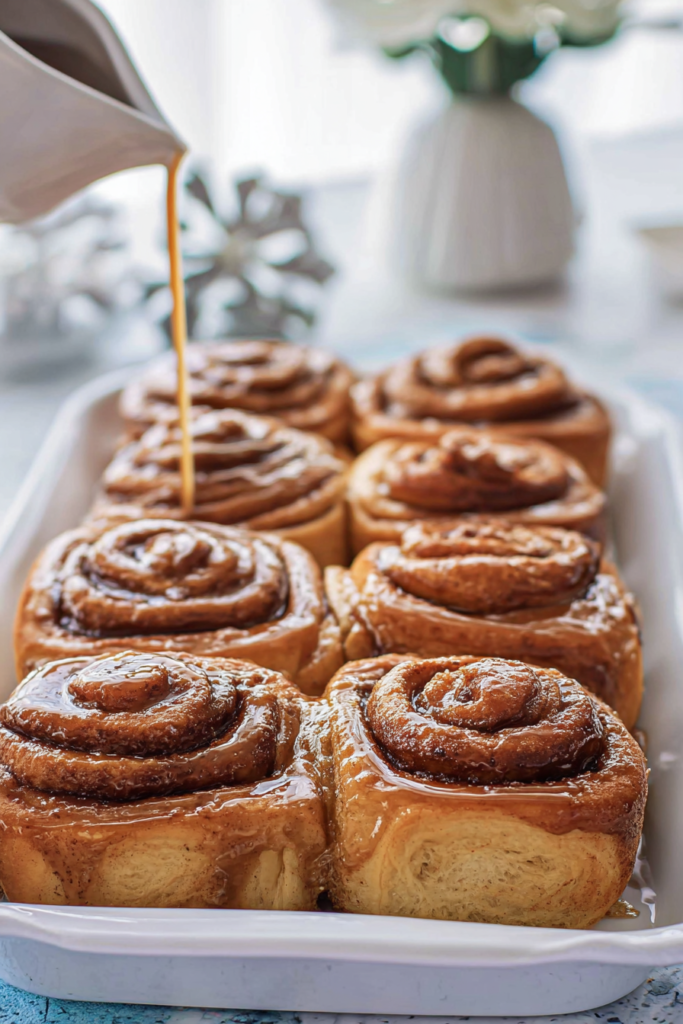
    I made classic swirled cinnamon rolls and then drowned them in this incredible maple glaze. The spirals stay gorgeous. The glaze soaks in and keeps everything moist. And they actually look as good as they taste.

    Win-win-win.

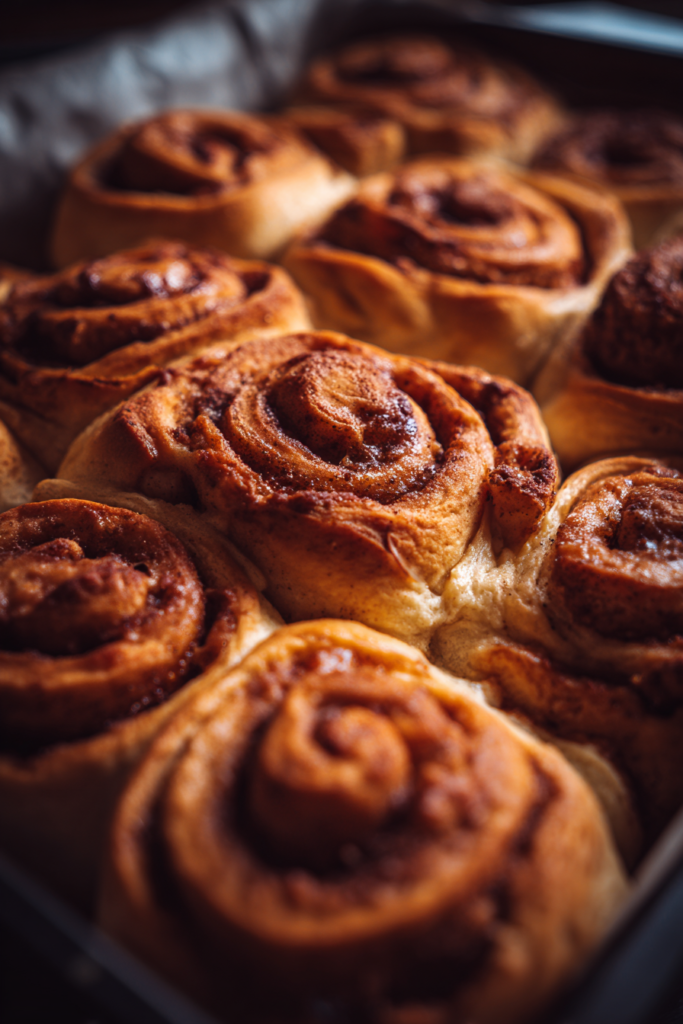
    vegan cinnamon buns

    Why This Recipe Works

    Look, I’m all about keeping things simple.

    You don’t need fancy equipment. No bread machine. No special ingredients you can only find at that one store across town.

    Everything goes into one bowl. Less cleanup. More time for eating warm cinnamon buns.

    The dough? Super forgiving.

    Even if this is your first time making yeast bread, you’ve got this. I’ll walk you through the whole thing. Step by step. No confusing baker talk.

    What You’ll Actually Need

    Let me break this down into three parts:

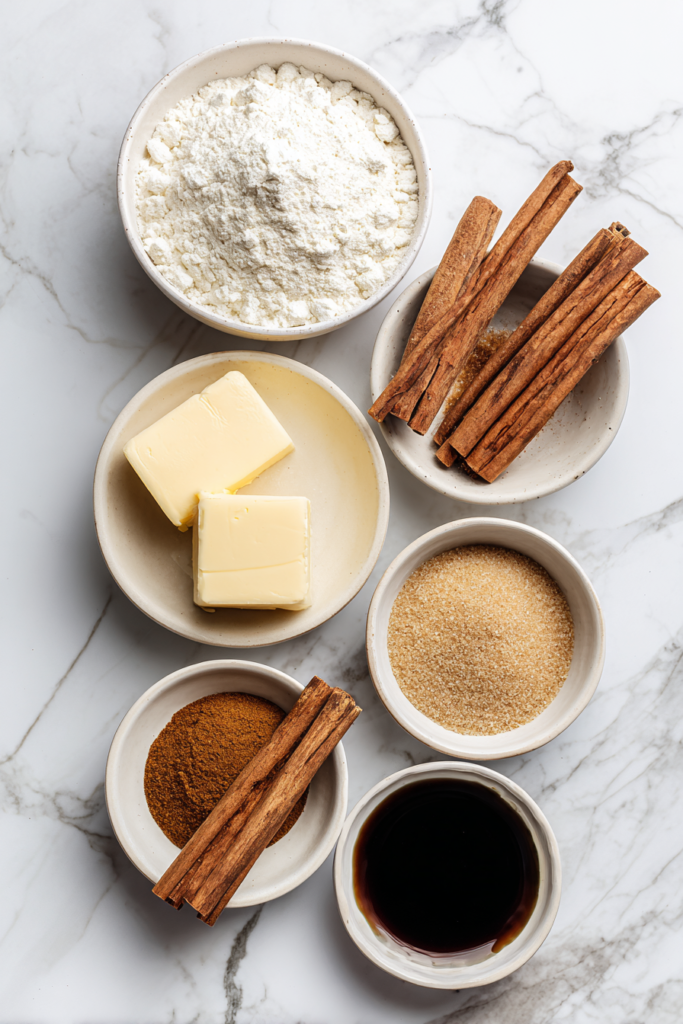
    The Dough

    This is where the magic happens. You’re using stuff you probably already have:

    All-purpose flour – This creates that perfect soft texture we’re after.

    Plant-based milk – I use oat or soy. Just warm it up a bit. Not hot. Warm.

    Vegan butter – This is what makes these buns rich and tender. Room temperature is key here.

    Sugar – Just a touch. This feeds the yeast so they can do their thing.

    Instant yeast – No activation needed. Just dump it in.

    Cinnamon – Even in the dough itself. Because why not?

    The Filling

    This part is beautifully simple:

    Melted vegan butter. Brown sugar. More cinnamon.

    That’s it.

    I don’t hold back on the filling. That’s what makes these buns special.

    The Maple Glaze

    This is what takes good buns and makes them absolutely incredible.

    Pure maple syrup – Don’t cheap out here. Get the real stuff.

    A bit of sugar – Helps thicken everything up.

    Coconut cream (optional) – Want it extra luxurious? Add this.

    vegan cinnamon buns

    Can I Swap Things Out?

    Short answer? Yes.

    Here’s what I’ve tested:

    Flour alternatives:

    • White spelt works
    • Whole wheat works
    • Both will make denser buns (still good, just heartier)

    Gluten-free? I haven’t had luck with it. But different brands behave differently, so maybe yours will work.

    Out of vegan butter?

    Oil works. Your buns won’t be quite as fluffy. But they’ll still taste good.

    Sugar swaps:

    Coconut sugar works throughout the whole recipe. It adds this nice caramel-y flavor.

    For the glaze, agave or golden syrup can replace the maple syrup.

    Your Complete Shopping List

    Here’s everything laid out:

    IngredientQuantityWhat It DoesImportant Notes
    All-purpose flour3¼ cups (405g)Creates the bun structureGrab extra for dusting
    Plant-based milk1 cup (250g)Brings dough togetherShould be warm, not hot
    Vegan butter½ cup (115g)Makes buns richMust be room temp
    Granulated sugar3 tbsp (40g)Feeds the yeastCoconut sugar works too
    Instant yeast1 tbsp (9g)Makes buns riseHas to be instant type
    Ground cinnamon1 tspAdds warmthWe’ll use more later
    Salt1 pinchBrings out flavorSkip if your butter’s salted
    Vegan butter (melted)2 tbsp (30g)Goes on doughFor brushing
    Brown sugar¼ cup (50g)Sweetens fillingPack it down when measuring
    Ground cinnamon1 tbspMain filling flavorThis is important
    Maple syrup¼ cup (85g)Glaze basePure maple is best
    Granulated sugar¼ cup (50g)Thickens glazeHelps it stick
    Vegan butter1 tbsp (15g)Makes glaze glossyFinal touch
    Coconut cream1 tbsp (15g)Extra richnessOptional but amazing

    Let’s Make Some Buns

    Step 1: The Dough

    First things first.

    Get everything out and ready. Trust me on this. When you’re in the middle of kneading, you don’t want to be hunting for the cinnamon.

    Dump your flour, warm milk, room-temp butter, sugar, yeast, cinnamon, and salt into a big mixing bowl.

    Got a stand mixer? Use it.

    Don’t have one? A wooden spoon works just fine. Your arm might get tired, but you’ll survive.

    Mix it all together.

    It’ll look shaggy at first. That’s normal.

    Now knead for 5-7 minutes.

    You’re looking for smooth, elastic dough. When you poke it, it should spring back. It should feel a little tacky. But not wet and sticky.

    vegan cinnamon buns

    Here’s What I Learned the Hard Way

    Every flour brand is different.

    Some soak up more liquid. Some need less.

    So your dough might need tweaking.

    Too dry and crumbly?

    Add milk. One tablespoon at a time. Work it in before adding more.

    The dough will fight you at first. But it’ll come around.

    Too wet and sticky?

    Sprinkle in flour. Gradually. Just until it stops sticking to the bowl.

    Step 2: First Rise

    Move your dough to a clean bowl. Grease it a little first.

    Cover with a damp kitchen towel.

    Why damp? It stops the dough from getting a crusty skin on top.

    Now find the warmest spot in your house.

    My favorites:

    • Oven with just the light on
    • Sunny window (not direct sun though)
    • Near a radiator in winter

    Let it sit for at least an hour.

    It needs to double in size.

    Cold kitchen? Might take 90 minutes.

    Be patient. Don’t rush this.

    If it’s been an hour and nothing’s happening?

    Move it somewhere warmer. Temperature is everything with yeast.

    Step 3: Shape Time

    Punch down your risen dough. Gently.

    Turn it out onto a floured surface. Flour your rolling pin too.

    Roll it into a rectangle. Roughly 16 by 12 inches.

    Try to keep it even.

    Now the fun part starts.

    Brush that melted butter everywhere. And I mean everywhere. Right to the edges.

    Why? Because every single bite deserves to be good.

    Mix your brown sugar and cinnamon in a small bowl.

    Sprinkle it over the butter. Generously.

    Now use your fingers. Press it gently into the butter.

    This stops it from falling out when you roll everything up.

    Starting from the long edge near you, roll the dough tight.

    Keep the tension even. You want a nice compact log.

    vegan cinnamon buns

    Cutting Your Rolls

    Here’s my trick:

    Use a sharp knife. Or unflavored dental floss.

    (Dental floss is honestly better. It doesn’t squash the rolls.)

    Mark the halfway point first. Then quarters.

    This gives you even portions.

    Cut twelve pieces total.

    Grease your 9×13 inch pan.

    Now arrange your rolls. You’ve got options here:

    Close together? You’ll get soft, pillowy edges.

    Spaced apart? Slightly crispier sides.

    Both are good. Your choice.

    Cover with a towel.

    Let them rise another hour. They should get puffy. Almost doubled again.

    Step 4: Bake

    When you’ve got about 15 minutes left on that second rise?

    Preheat your oven to 350°F (180°C).

    Bake for 15-20 minutes.

    You’re looking for light golden color on top.

    Want to test if they’re done? Stick a skewer into a center bun. Should come out clean.

    The Glaze

    While those buns are baking, make your glaze.

    Throw maple syrup, sugar, butter, and coconut cream (if using) into a small saucepan.

    Whisk over low heat.

    Everything should melt together and thicken up a bit. It’ll coat the back of a spoon when it’s ready.

    Pull your buns out of the oven.

    Right away – drizzle that warm glaze over them.

    The heat helps it soak in. It’s beautiful.

    Wait 5-10 minutes before digging in.

    I know it’s hard. But warm cinnamon buns are worth the wait.

    What About Leftovers?

    These taste best fresh.

    But leftovers? Still great.

    Keep them in an airtight container:

    • Room temperature: 1-2 days
    • Fridge: 3-4 days

    Always reheat before eating.

    Ten seconds in the microwave brings back that just-baked texture.


    My Best Tips

    Let me share what I’ve learned from making these about a hundred times:

    Temperature Is Everything

    Your milk should be warm. Not hot.

    Aim for 100-110°F.

    Too hot? You’ll kill the yeast.

    Too cold? Everything slows way down.

    Don’t Skip Rising Time

    I get it. Waiting is annoying.

    But this step matters. A lot.

    Underproofed dough = dense, sad buns.

    Properly risen dough = fluffy, amazing buns.

    Roll Tight (But Not Too Tight)

    You want a tight roll for those pretty swirls.

    But don’t go crazy. Too aggressive and you’ll squeeze all the filling out.

    The Dental Floss Trick

    Seriously. Try this.

    Slide the floss under your dough log. Cross the ends over the top. Pull.

    Clean cuts every time. No squashed buns.

    vegan cinnamon buns

    Make Them Ahead

    I do this all the time for weekend brunch.

    After you shape the buns, cover the pan tight with plastic wrap.

    Stick it in the fridge overnight.

    Skip that second rise.

    Next morning, pull them out. Let them sit at room temp for 30-45 minutes while your oven heats up.

    Then bake.

    Want to Freeze Them?

    You can freeze unbaked buns.

    Shape them. Freeze on a tray until solid. Transfer to freezer bags.

    When you’re ready to bake:

    • Thaw overnight in the fridge
    • Do the final rise
    • Bake as usual

    When Things Go Wrong

    Because sometimes they do. Here’s how to fix it:

    Dough Won’t Rise

    Check your yeast first. Is it expired?

    Old yeast = dead yeast = no rising.

    Also make sure your spot is actually warm enough.

    Buns Came Out Dense

    Usually this means:

    • You didn’t knead enough
    • You didn’t let it rise long enough
    • Both

    The dough needs time to develop. Don’t rush it.

    Filling Leaked Out

    Two reasons this happens:

    You didn’t press the cinnamon sugar into the butter enough.

    Or your roll wasn’t tight enough.

    Glaze Too Thin

    Let it simmer longer.

    The liquid needs to evaporate. The sugar needs time to dissolve and thicken things up.


    Questions People Always Ask Me

    Can I use active dry yeast instead of instant?

    Yep. But you’ll need to activate it first.

    Mix it with your warm milk and a pinch of sugar. Wait 10 minutes for it to get foamy.

    Then add it to your other ingredients.

    Oh, and use about 1⅓ tablespoons. Active dry isn’t as strong as instant.

    How do I reheat these?

    For one bun: Microwave for 10-15 seconds.

    For several: Wrap in foil. Warm in a 300°F oven for 10 minutes.

    This brings back that soft texture without drying them out.

    Can these be frozen?

    Absolutely.

    Bake them completely. Let them cool. Don’t add the glaze yet.

    Wrap each one in plastic wrap. Put them in freezer bags.

    They’ll keep for 3 months.

    To eat: Thaw at room temp. Warm them up. Then add your glaze.

    Why aren’t my buns fluffy?

    Could be a few things:

    • Your yeast was old
    • You didn’t knead enough
    • You rushed the rising time
    • You added too much flour

    Make sure your yeast is fresh. And give the dough the time it needs.

    Can I add nuts or raisins?

    Go for it!

    Chopped pecans or walnuts work great. Sprinkle them over the cinnamon sugar before rolling.

    Raisins too.

    Just don’t overdo it. You still need to be able to roll the dough.


    Now go make some buns. Your kitchen is about to smell amazing.

    Vegan Cinnamon Buns with Maple Glaze

    Easy Vegan Cinnamon Buns with Maple Glaze

    Soft, pillowy vegan cinnamon buns with a rich maple glaze. Made with simple ingredients and a foolproof method that works every time.
    Prep Time 15 minutes
    Cook Time 20 minutes
    Rising Time 2 hours
    Total Time 2 hours 35 minutes
    Servings: 12 buns
    Course: Breakfast, Dessert
    Cuisine: American

    Ingredients
      

    The Dough
    • 3 1/4 cups all-purpose flour 405g, plus extra for dusting
    • 1 cup plant-based milk 250g, warm (oat or soy)
    • 1/2 cup vegan butter 115g, room temperature
    • 3 tbsp granulated sugar 40g
    • 1 tbsp instant yeast 9g
    • 1 tsp ground cinnamon
    • 1 pinch salt skip if butter is salted
    The Filling
    • 2 tbsp vegan butter 30g, melted
    • 1/4 cup brown sugar 50g, packed
    • 1 tbsp ground cinnamon
    The Maple Glaze
    • 1/4 cup pure maple syrup 85g
    • 1/4 cup granulated sugar 50g
    • 1 tbsp vegan butter 15g
    • 1 tbsp coconut cream 15g, optional

    Method
     

    1. In a large mixing bowl, combine flour, warm plant-based milk, room temperature vegan butter, sugar, instant yeast, cinnamon, and salt. Mix with a stand mixer or wooden spoon until combined.
    2. Knead the dough for 5-7 minutes until smooth and elastic. The dough should spring back when poked and feel slightly tacky but not wet. Add milk (1 tablespoon at a time) if too dry, or flour if too sticky.
    3. Transfer dough to a lightly greased bowl, cover with a damp kitchen towel, and place in a warm spot. Let rise for at least 1 hour (up to 90 minutes in cold kitchens) until doubled in size.
    4. Gently punch down the risen dough. Turn out onto a floured surface and roll into a 16×12 inch rectangle using a floured rolling pin.
    5. Brush melted vegan butter evenly over the entire surface, right to the edges. Mix brown sugar and cinnamon in a small bowl, then sprinkle generously over the butter. Press gently with fingers to help it stick.
    6. Starting from the long edge nearest you, tightly roll the dough into a log, keeping even tension throughout.
    7. Using a sharp knife or unflavored dental floss, cut the log into 12 equal pieces. Arrange in a greased 9×13 inch pan, either close together for soft edges or spaced apart for slightly crispier sides.
    8. Cover with a towel and let rise for another hour until puffy and nearly doubled.
    9. Preheat oven to 350°F (180°C) during the last 15 minutes of rising time.
    10. Bake for 15-20 minutes until light golden on top. Test doneness by inserting a skewer into a center bun – it should come out clean.
    11. While buns bake, make the glaze: Combine maple syrup, sugar, vegan butter, and coconut cream (if using) in a small saucepan. Whisk over low heat until melted and thickened enough to coat the back of a spoon.
    12. Remove buns from oven and immediately drizzle warm glaze over them. Let rest 5-10 minutes before serving.

    Notes

    Storage: Store in an airtight container at room temperature for 1-2 days, or refrigerate for 3-4 days. Reheat for 10-15 seconds in the microwave.
    Make Ahead: After shaping buns, cover tightly with plastic wrap and refrigerate overnight. Next morning, let sit at room temperature for 30-45 minutes, then bake as directed.
    Freezing: Freeze unbaked shaped buns on a tray until solid, then transfer to freezer bags. To bake: thaw overnight in fridge, do final rise, then bake. Or freeze baked buns (without glaze) for up to 3 months – thaw, warm, then add fresh glaze.
    Substitutions: White spelt or whole wheat flour works but makes denser buns. Coconut sugar can replace all sugars. Oil can replace butter but buns won’t be as fluffy. Active dry yeast works – use 1⅓ tbsp and activate in warm milk with sugar for 10 minutes first.